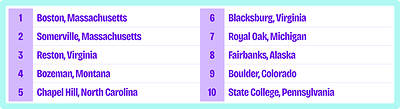
On August 10, 2026, global sex-toy retailer Lovehoney released an interactive "Sex Map" of the United States, ranking cities and neighborhoods by pleasure-product sales and turning its own transaction data into a piece of consumer-behavior marketing. The map, distributed via PR Newswire and picked up by outlets including VICE, invites shoppers to see how their hometown stacks up — a lighthearted hook that doubles as a demonstration of just how mainstream and geographically distributed sex-toy buying has become.
Why It Matters
Retailer-driven "data stories" like the Sex Map are a low-cost workaround to one of sextech's core marketing constraints: mainstream ad platforms restrict sexual-wellness advertising, so brands manufacture newsworthy, shareable data instead. For industry watchers, the value is less in the exact rankings than in the signal — a major retailer publicly normalizing sex-toy purchase behavior and mapping it onto Middle America. It also reflects how first-party sales data has become a competitive asset: as third-party ad targeting erodes and social platforms stay hostile to the category, owning the numbers and packaging them into press is a durable growth tactic. Expect more brands to mine their own transaction logs for headline-friendly insights.The premise is a wink: "neighborhoods across America may be kinkier than expected," the announcement teases, before letting users drill into local rankings. Lovehoney has run versions of this campaign before — a 2019 edition and a 2022 collaboration with the Kinsey Institute — and the recurring format has become a reliable earned-media engine, generating regional headlines as local reporters race to cover whether their town cracked the list. Parallel Lovehoney "sex map" releases in the UK (crowning Waltham Cross) and Australia rolled out around the same window, underscoring the retailer's global data-marketing playbook.
Beneath the novelty is real first-party data. As one of the largest online pleasure retailers in the world, Lovehoney sits on granular sales information by geography — the kind of signal that, aggregated and anonymized, maps the destigmatization of sexual wellness in real time. The campaign leans into that: rather than treat sex-toy purchases as coastal or urban, the map spreads pins across suburbs and mid-size markets, reinforcing the industry's argument that pleasure products are now a normalized consumer category rather than a niche one.
Sources
- Lovehoney Reveals the Sexiest Cities in the U.S. With New Sex Map — PR Newswire
- My State Cracked the Top 12% on Lovehoney's Sexiest State Map — VICE
Update — 2026-08-17
{Initial entry — story first created.}