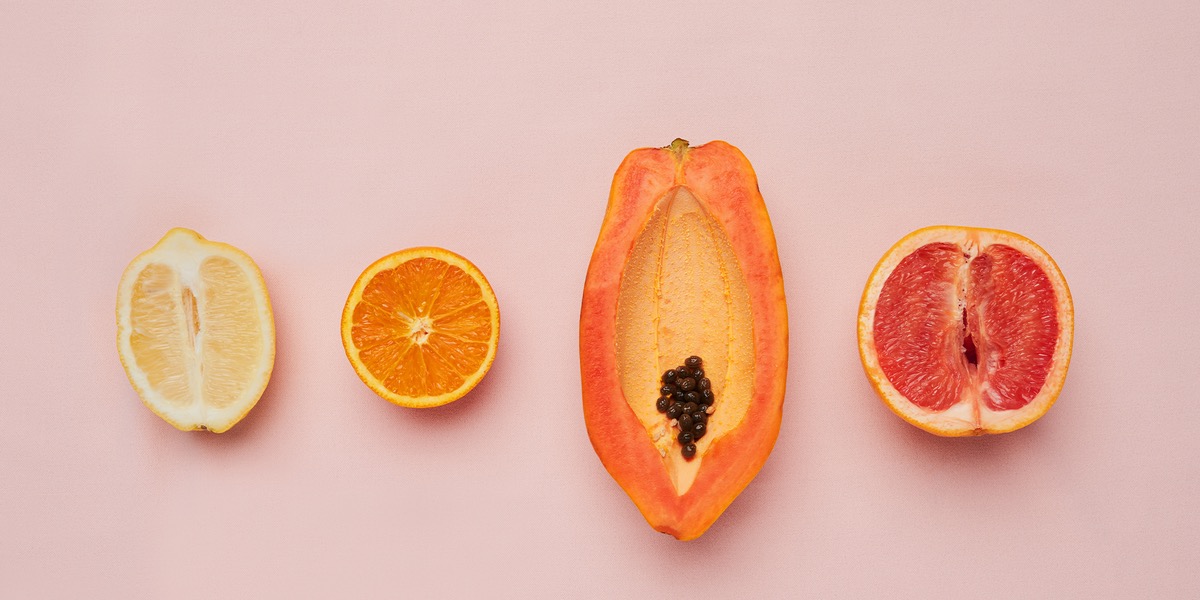
On August 28, 2026, Cosmopolitan published a Gabrielle Kassel feature arguing that 2026's most conspicuous product-design trend in pleasure devices — vibrators shaped like fruit — is less a cute aesthetic choice than a direct adaptation to platform censorship. The inventory is real and growing: Hello Nancy's Lem, a lemon-shaped air-suction toy, has become a TikTok fixture; lubricant brand WOO More Play launched a kumquat-shaped vibrator called the Cumquat Vibez in June 2026; and Inya — the NS Novelties line behind the 2024 rose vibrator — now sells a pear-shaped clitoral vibrator. Cosmopolitan's thesis, sourced to both operators and clinicians, is that the shape language is downstream of the algorithm.
Why It Matters
This is a case study in how platform policy becomes industrial design. Sextech brands have been locked out of paid acquisition on Meta, Google and TikTok for a decade; the response has evolved from workaround copy, to influencer seeding, to — now — engineering the physical product so the *photograph* passes moderation. That is a real cost structure showing up in the bill of materials. For a category where customer acquisition cost is the binding constraint on growth, "can this be shot for Instagram without being flagged" has become a legitimate line item in the product brief, alongside motor selection and silicone durometer. The strategic risk is discoverability. Ramchand's admission that Hello Nancy cannot describe the Lem as a clitoral suction toy is the whole problem in one sentence: a product optimized to slip past moderation is, by construction, a product that cannot be searched for by function. Brands are trading top-of-funnel reach for bottom-of-funnel clarity, and the buyer absorbs the difference in returns and mismatched expectations. It also concentrates power with the reviewers and editorial outlets — Cosmopolitan, Mashable, Women's Health, Wirecutter — who *can* still use the actual words, which is why third-party review coverage has become disproportionately valuable to this category relative to consumer goods generally. Watch for the trend to peak and fragment. Rose-shaped toys ran roughly two years before knockoffs commoditized the form; the fruit wave is younger, with Hello Nancy's US Open–timed Center Court Collection (August 28) showing the same brand already extending the cute-object playbook beyond produce into sports objects. The underlying constraint — that pleasure products must be visually deniable to be marketable — is not going anywhere, and neither is the design arms race it produces.The commercial logic is stated openly by the people shipping the products. "Creating a vibrator that looks like a fruit makes it easier to photograph and share on social media," Dame founder and CEO Alexandra Fine told Cosmopolitan — a company with a long documented history of fighting advertising restrictions. Rachana Ramchand, Hello Nancy co-founder and head of operations, was more specific about the mechanism: "The vibrant colors and overall cuteness of the toy really helped on social media. It literally looks like a piece of fruit, so we don't particularly face harsh shadowbanning on Meta platforms due to the appearance of the toy." But the workaround has a ceiling. Fine noted that even fruit-shaped products still get flagged or suppressed, and Ramchand identified the harder constraint: Hello Nancy "can't outright say 'this is a clitoral suction toy'" — which is precisely the information a buyer needs to know whether the product does what they want.
The censorship tax extends past brands to practitioners. Philadelphia-based AASECT-certified sex therapist Melanie Greenberg, LCSW, CST, MEd, founder of Pulling Threads Therapy, told Cosmopolitan she cannot type her own job title on social platforms: "If I want to say that I'm a 'sex therapist,' I have to write that I'm a 'seggs therapist' so that I don't get shadow-banned." Greenberg also supplied the design-psychology half of the argument — that phallic realism carries "a lot of meanings and shoulds, including what sex should look like," while fruit gives designers a non-anatomical but instantly recognizable form. Ramchand's version is the better sales line: "Most of this category asks you to be brave before you have even opened the box." Greenberg's cultural read is that fruit's coding as "wholesome, virtuous, and clean" in diet-and-wellness discourse is doing quiet work too — noting, memorably, that "there's a reason companies aren't making sticks of butter, biscuits, and croissants vibrators."
Sources
- The Curious Rise of the Fruit-Shaped Vibrator — Cosmopolitan
- Hello Nancy just dropped a tennis-themed sex toy collection — Mashable
- Ace Air Suction Massager, Tennis Collection — Hello Nancy
Update — 2026-09-01
{Initial entry — story first created.}