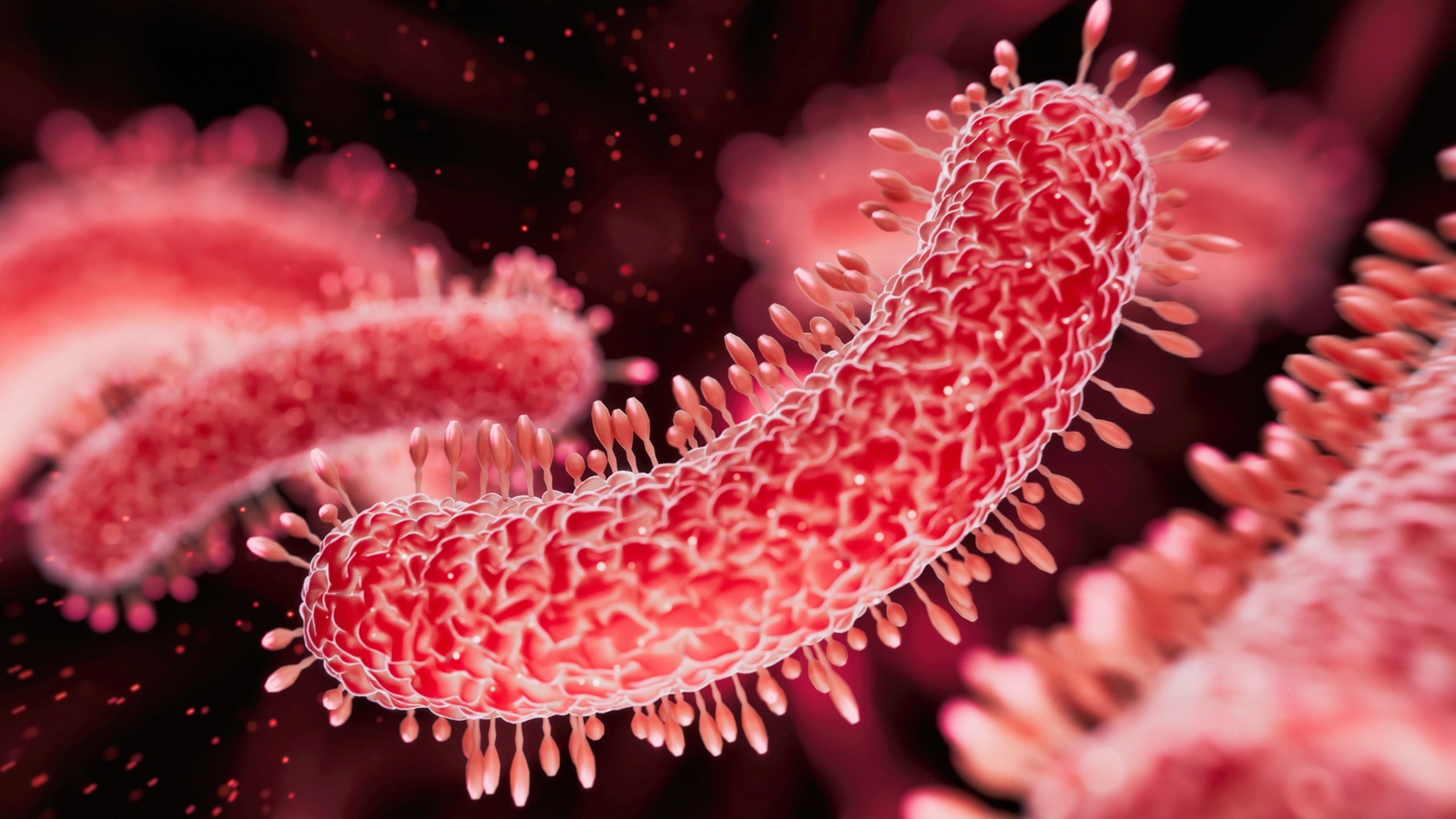
In the week of October 7, 2026, coverage in ScienceAlert (October 8), The Independent (October 9) and U.S. local and national outlets drew attention to a less familiar sexual-health threat: shigellosis, a highly contagious gut infection causing diarrhoea, fever and dysentery. It is increasingly sexually transmitted and increasingly drug-resistant. Shigella has historically spread through contaminated food and water, travel and childcare settings. ScienceAlert reports it is now considered endemic in some communities of gay, bisexual and other men who have sex with men (GBMSM), where several circulating strains resist multiple antibiotics. The U.S. sees roughly 450,000 shigellosis cases a year.
Why It Matters
Shigella is not on the standard STI panel. It is diagnosed as a gut bug, often without a sexual history being taken, so the at-home and telehealth STI-testing businesses we cover (Everlywell, myLAB Box, [ProDx](/stories/prodx-kink-folsom-onsite-testing), [MISTR](/stories/mistr-two-million-free-tests-adap)) currently miss it entirely. If clinicians follow the advice now circulating, to ask dysentery patients about sexual transmission and test them for other STIs, that creates both a gap in testing panels and a referral pathway. There is a prevention angle for the sexual-wellness shelf too. Public-health guidance from California, quoted by ScienceAlert, is to avoid sex with anyone who has had diarrhoea in the past two weeks, use **barriers for oral and anal sex**, and wash before and after. That is a direct argument for dental dams, gloves and anal-hygiene products, categories brands have under-marketed. It also complicates the [doxyPEP](/stories/grindr-in-app-prep-access) story: broader antibiotic prophylaxis for bacterial STIs is exactly the kind of bystander exposure researchers now link to resistance.The resistance data come from a recent CDC analysis of nearly 17,000 Shigella isolates cited by ScienceAlert. Extensively drug-resistant (XDR) strains, resistant to five commonly used antibiotics, made up 0% of isolates in 2011 and 8.5% by 2023. Most XDR infections were in adult men, many without recent international travel. More than a third of XDR patients were hospitalised, and nearly half of those with known HIV status had HIV. At UCLA, molecular biologist Shangxin Yang told CIDRAP News the hospital saw one XDR case in all of 2022 and now sees about one a month: "It's almost like an explosion of this pathogen in the community." The Independent cites CDC figures of about 242,000 drug-resistant Shigella infections a year in the U.S., and notes there is no government-approved oral antibiotic for the most resistant strain and no licensed vaccine, though a candidate showed protection in a short adult trial reported in July.
The UK picture is similar. Cambridge geneticist Kate Baker, senior author of a 2026 Lancet Infectious Diseases study, said the disease "has gone from being relatively treatable with off-the-shelf drugs to being close to untreatable over the course of the last decade or so." UKHSA testing found resistance in 86% of S. sonnei and 94% of S. flexneri samples in 2025. One hypothesis is "bystander resistance": antibiotics given for other STIs (such as azithromycin for gonorrhoea) may select for resistant Shigella carried at the same time.
Sources
- Sexually Transmitted Diarrhea Is Exploding in The US. And It's Growing Resistant to Medicine — ScienceAlert (Oct 8, 2026)
- Sexually transmitted diarrhea cases soaring in US — and it's growing resistant to medicine — The Independent (Oct 9, 2026)
Update — 2026-10-13
Initial entry — story first created.