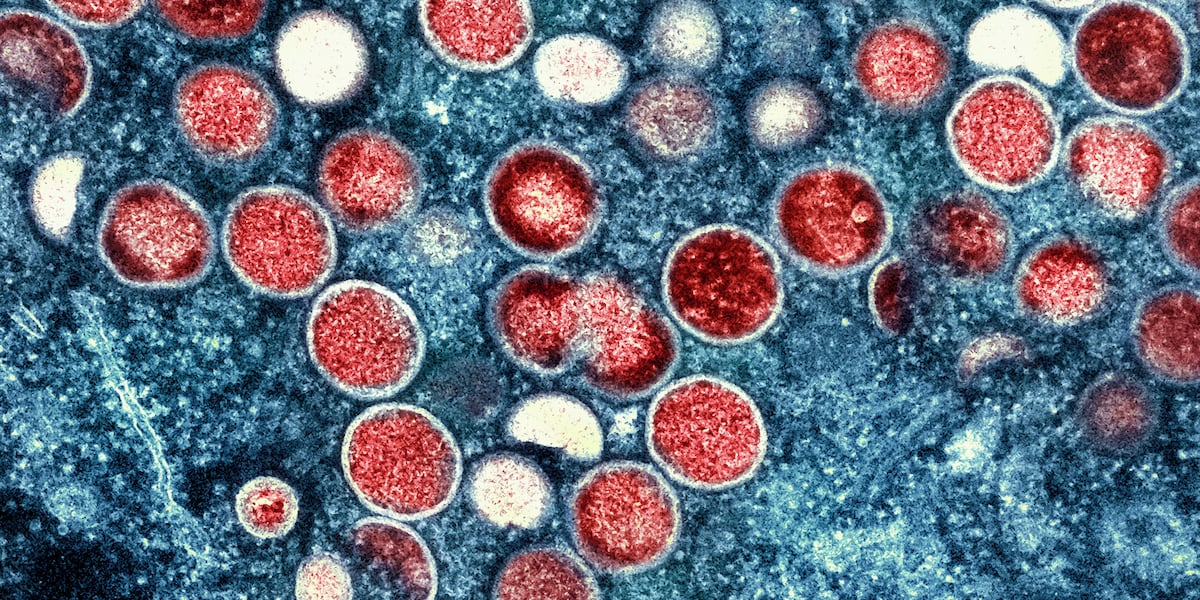
On October 20, 2026, the Southern Nevada Health District (SNHD) reported the first confirmed case of clade I mpox in a Clark County (Las Vegas) resident. The person had no reported travel exposure. The district also reported 11 confirmed clade II cases since August 2026, which it called "a recent increase," and 365 local mpox cases since the first one in June 2022. "This first clade I case and the recent increase in clade II cases are reminders that mpox continues to circulate in our community," said District Health Officer Dr. Cassius Lockett, who urged at-risk people to get vaccinated.
Why It Matters
For the sexual-health business, a clade that was mainly a travel story is becoming a domestic one. That has three practical effects. **Vaccination demand**: JYNNEOS uptake among GBMSM has fallen since 2022, and a domestic clade I signal gives health departments, PrEP clinics and in-app health hubs (see [Grindr Health](/stories/grindr-purposemed-freddie-250m)) a reason to push second doses again. **Testing**: at-home and e-visit STI platforms (see [Kaiser's e-visit data](/stories/kaiser-sti-evisit-testing-study)) mostly don't include mpox PCR, which still needs a lesion swab taken in clinic, so the gap is a product opportunity and a referral problem. **Events**: Las Vegas hosts the [AVN Show and Adult Novelty Expo](/stories/avn-show-2027-virgin-hotels-vegas) in January. Event organizers and performer-testing systems should expect questions about mpox protocols before then. This is not a reason for alarm, but it is a reason not to treat mpox as finished.The Las Vegas case fits a national pattern the CDC has now named. The agency's situation summary (updated October 14) counts more than 90 laboratory-confirmed clade I cases in at least 23 states plus Puerto Rico since November 2024, mostly among gay, bisexual and other men who have sex with men. Early cases were linked to travel to Central and Eastern Africa or to sexual contact in parts of Western Europe. Since August 2026, CDC says, "an increasing proportion" of U.S. clade I cases have had no recent international travel or known links to travelers. Presumed domestic transmission has been reported in more than 10 jurisdictions, "indicating a likely transition to sustained clade Ib transmission in the United States." CDC still rates the risk to most people in the U.S. as low. It also notes that recent travel-associated clade I cases have been almost entirely subclade Ib, with no associated deaths and mostly mild illness.
The prevention advice hasn't changed. SNHD says the two-dose JYNNEOS vaccine, given four weeks apart, is expected to protect against both clades. Post-exposure vaccination works best within four days and may still help up to 14 days after exposure. Mpox spreads mainly through close, sustained contact, including sexual and intimate contact and shared bedding or towels.
Sources
- Health District reports first clade I mpox case in Clark County resident — Southern Nevada Health District (Oct 20, 2026)
- Health district reports first Clade I mpox case in Clark County resident — FOX5 Las Vegas (Oct 20, 2026)
- Clark County confirms first case of clade I monkeypox virus — KTNV Las Vegas (Oct 2026)
- Global Monkeypox: Current Situation — U.S. Centers for Disease Control and Prevention (updated Oct 14, 2026)
Update — 2026-10-26
Initial entry — story first created.