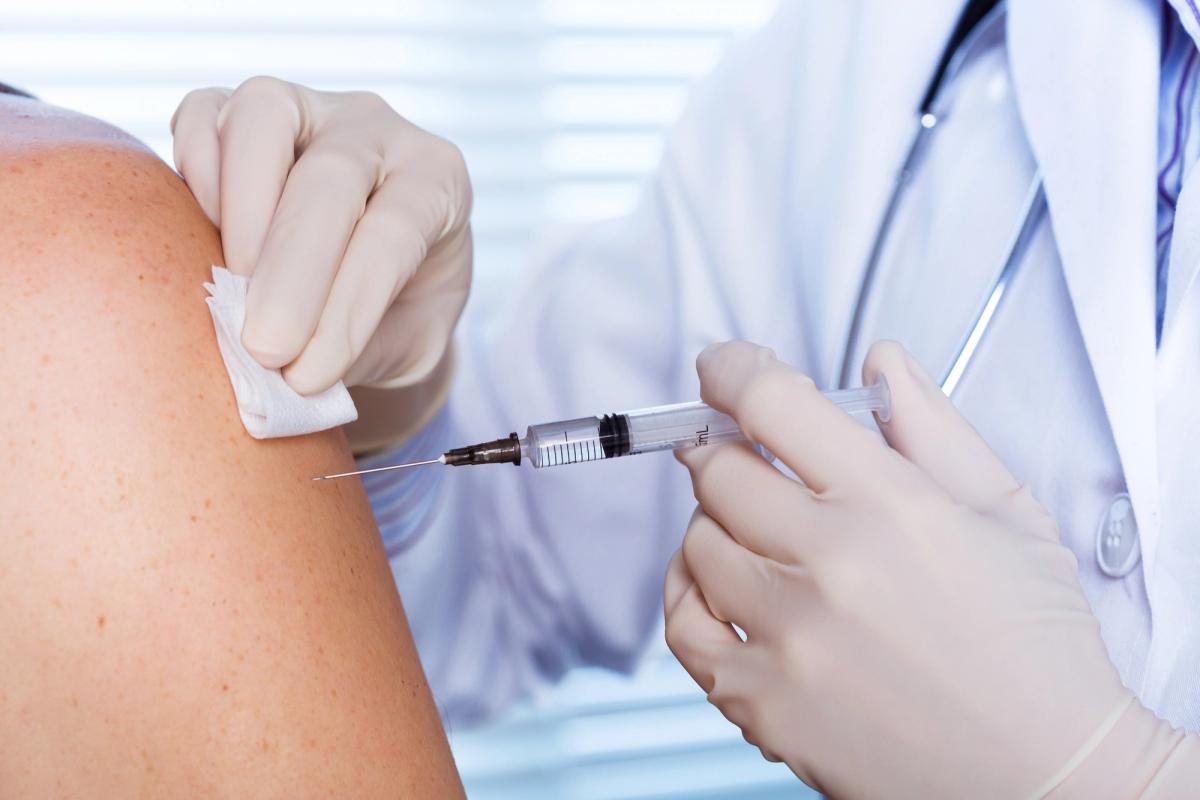
A poster from Washington University in St. Louis researchers at IDWeek 2026 in Washington, DC (October 21–24), reported by AJMC on October 22, 2026, showed how often demand for long-acting injectable HIV PrEP (LAI PrEP) fails to turn into actual injections. At a large Ryan White-funded clinic in St. Louis, 268 of 726 PrEP patients were prescribed LAI PrEP between February 2022 and July 2026, and 105 of them (39.2%) never received it. In the poster's detailed cohort of 170 patients (prescribed through March 2026), 70 (41.2%) never got an injection. Of the 100 who did, 83% received cabotegravir (Apretude, ViiV) and 17% lenacapavir (Yeztugo, Gilead).
Why It Matters
Long-acting PrEP is the biggest product change in HIV prevention since daily Truvada. Twice-yearly lenacapavir has been [rolled out abroad](/stories/gilead-paho-lenacapavir-latin-america) and in [public systems like Brazil's SUS](/stories/brazil-sus-injectable-prep-cabotegravir). This poster shows that in the US, the constraint is the benefit design rather than the molecule. Specialty-pharmacy billing, buy-and-bill rules and prior-auth requirements are filtering out patients who have already decided they want the shot. That matters for everyone building the sexual-health front door. [Grindr's PrEP push](/stories/grindr-purposemed-freddie-250m), telehealth players and [STI-testing companies](/stories/everlywell-waters-hpv-self-collection) can generate demand, but a prescription that never becomes an injection loses the patient after acquisition. The policy implication is narrow: **coverage parity between medical and pharmacy benefits, plus state Medicaid coverage of LAI PrEP**. It fits alongside other prevention-access stories we've covered, including [Ryan White eligibility fights](/stories/nashville-cares-ryan-white-immigration-suit) and [doxyPEP's population-level effect](/stories/australia-doxypep-population-impact). It's a single-clinic retrospective study, but the denial rates are specific enough for advocates and payers to act on.The barrier was insurance mechanics rather than patient hesitancy. Among the 70 who never started, 54.3% had no pharmacy benefit and 41.4% were denied prior authorization. Only 7.1% chose oral PrEP instead. 94% of recipients had a pharmacy-only benefit, while 57% of non-recipients had no benefit or an unknown benefit type. "Medical benefits rarely led to a successful injection in this clinic environment," lead author Dr. Aditi Ramakrishnan told AJMC, adding that even then, some insurers required prior authorization. Missouri has expanded Medicaid, but its Medicaid program does not cover LAI PrEP. Seven patients (4.1%) switched clinics just to get the injection billed under a medical benefit.
The outcome data show what the gap costs. 96% of recipients were still engaged in PrEP care at 12 months versus 72.9% of non-recipients (unadjusted OR 8.94). The team recorded one HIV seroconversion in a person with intermittent oral PrEP adherence who had been denied LAI coverage in the prior year. "Interest in LAI PrEP exceeds real-world access," the authors concluded, calling for simpler reimbursement models and expanded Medicaid coverage.
Sources
- Insurance Barriers Tied to Missed Long-Acting PrEP Starts — AJMC (Giuliana Grossi, Oct 22, 2026)
- Insurance Barriers Block 4 in 10 From Injectable HIV PrEP — AJMC video interview with Aditi Ramakrishnan, MD, MSc (Oct 23, 2026)
Update — 2026-10-24
Initial entry — story first created.