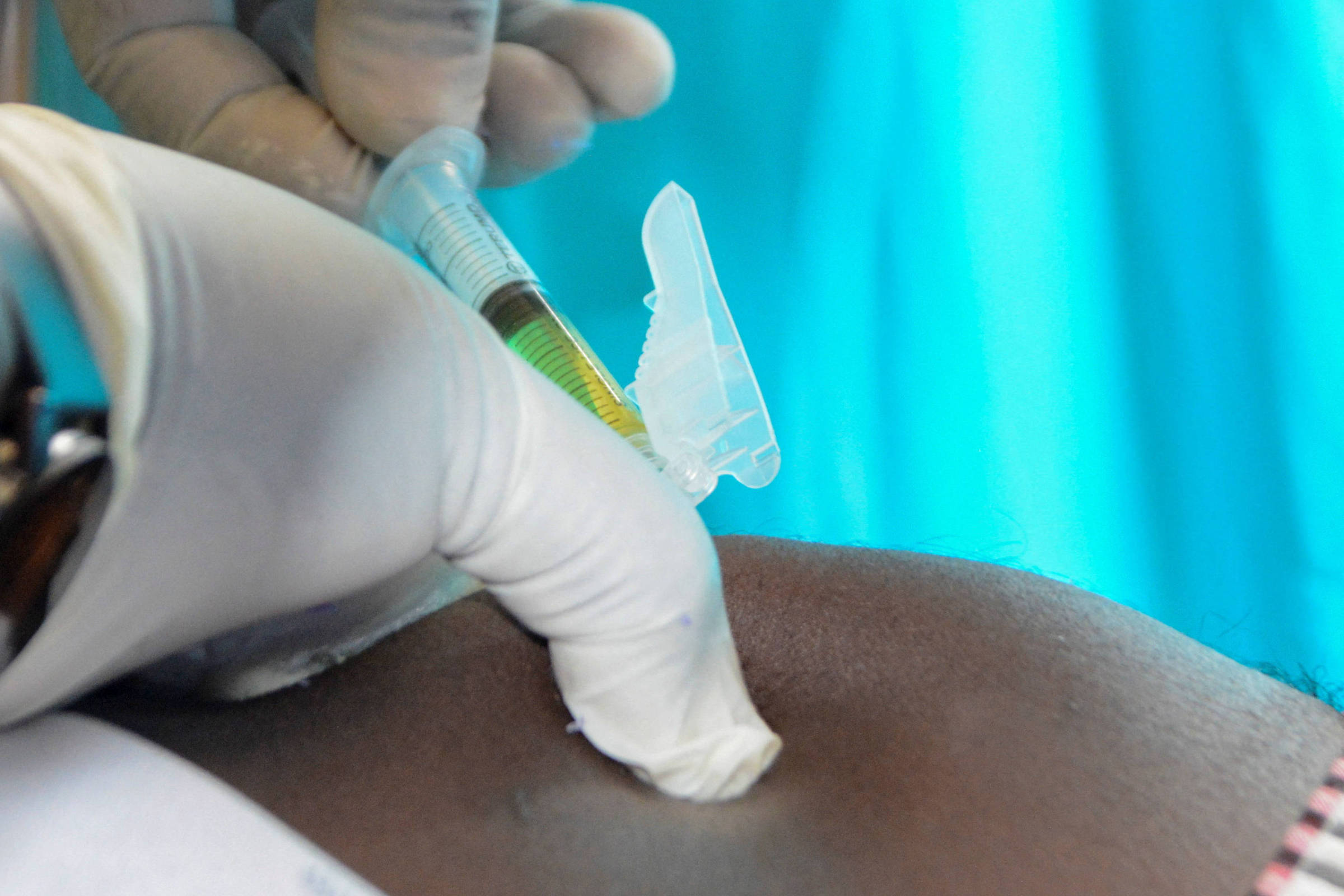
On October 3, 2026, Folha de S.Paulo reported that Brazil's Unified Health System (SUS) is expected to add injectable PrEP, GSK/ViiV's cabotegravir (Apretude), to its HIV prevention options before the end of the year. The rollout will start small, limited by number of doses, geography and eligible population. Folha's account follows a September 30 O Globo report in which GSK and the Health Ministry's HIV/AIDS department both described the drug as close to entering the public system. Cabotegravir is given as two starting injections one month apart and then every two months. It was approved by Anvisa in 2023 and sells privately for about R$4,000 per dose, but has never been offered through the public network.
Why It Matters
Brazil runs one of the largest public PrEP programs in the world. The government links a 150% expansion in PrEP supply over three years to the country's first year with fewer than 10,000 AIDS deaths (2024), so its decisions influence the rest of Latin America. Adding a bimonthly injectable shifts PrEP strategy away from simply getting more people onto the pill and toward choosing a delivery method by population. Discreet, clinic-administered prevention for people who cannot keep pills at home is a direct answer to stigma. It also arrives alongside the PAHO pooled-procurement deal for Gilead's twice-yearly lenacapavir, which covers Brazil. Within a couple of years, Latin America's largest market could be offering daily, bimonthly and twice-yearly PrEP side by side. For sexual-health telehealth and testing companies, that adds a new public-sector pathway (injection visits plus required HIV testing) that will need to be linked into their services.The regulatory path is far along but not finished. Per Folha, Conitec, the committee that decides which technologies the SUS adopts, gave a preliminary favorable recommendation in early August, and a public consultation has just closed. The government announced a purchase agreement in July, and Health Minister Alexandre Padilha said then that he expected the drug to be "in the arm" of Brazilian patients this year. GSK told Folha that the terms of the supply agreement "are being finalized." The ministry would say only that incorporation "is being analyzed by Conitec." Neither party would give a date. GSK virology business-unit director Roberta Correa told O Globo that if Conitec's October opinion is positive, the company would close negotiations and "do everything possible" to deliver this year. She said protection in GSK's study exceeded 99%.
What stands out is who the program targets. Draurio Barreira, director of the ministry's HIV/AIDS, TB, viral hepatitis and STI department, told O Globo that the initial plan is for about 3,000 treatments, some for an implementation study and some purchased for specific populations. Oral PrEP is already used by more than 150,000 people in Brazil and is available even at São Paulo metro-station dispensers, but 80% of oral PrEP users are men who have sex with men. The injectable rollout is intended for people the pill has not reached: cisgender and transgender women, travestis, and young people who cannot keep a pill bottle at home without being outed. GSK's original application covered MSM and trans women aged 15–30. According to Folha, Conitec broadened the population under consideration to sexually active people aged 15 and over in situations of heightened vulnerability, especially those not using oral PrEP. Final eligibility rules have not been set.
Sources
- PrEP injetável deve ser incorporado ao SUS neste ano, mas com acesso limitado — Folha de S.Paulo (Oct 3, 2026)
- HIV: SUS poderá ter PrEP longa duração ainda neste ano; entenda o que vai mudar — O Globo (Sept 30, 2026)
- Related Afterglow coverage: Gilead and PAHO open a regional lane for long-acting PrEP
Update — 2026-10-05
Initial entry — story first created.