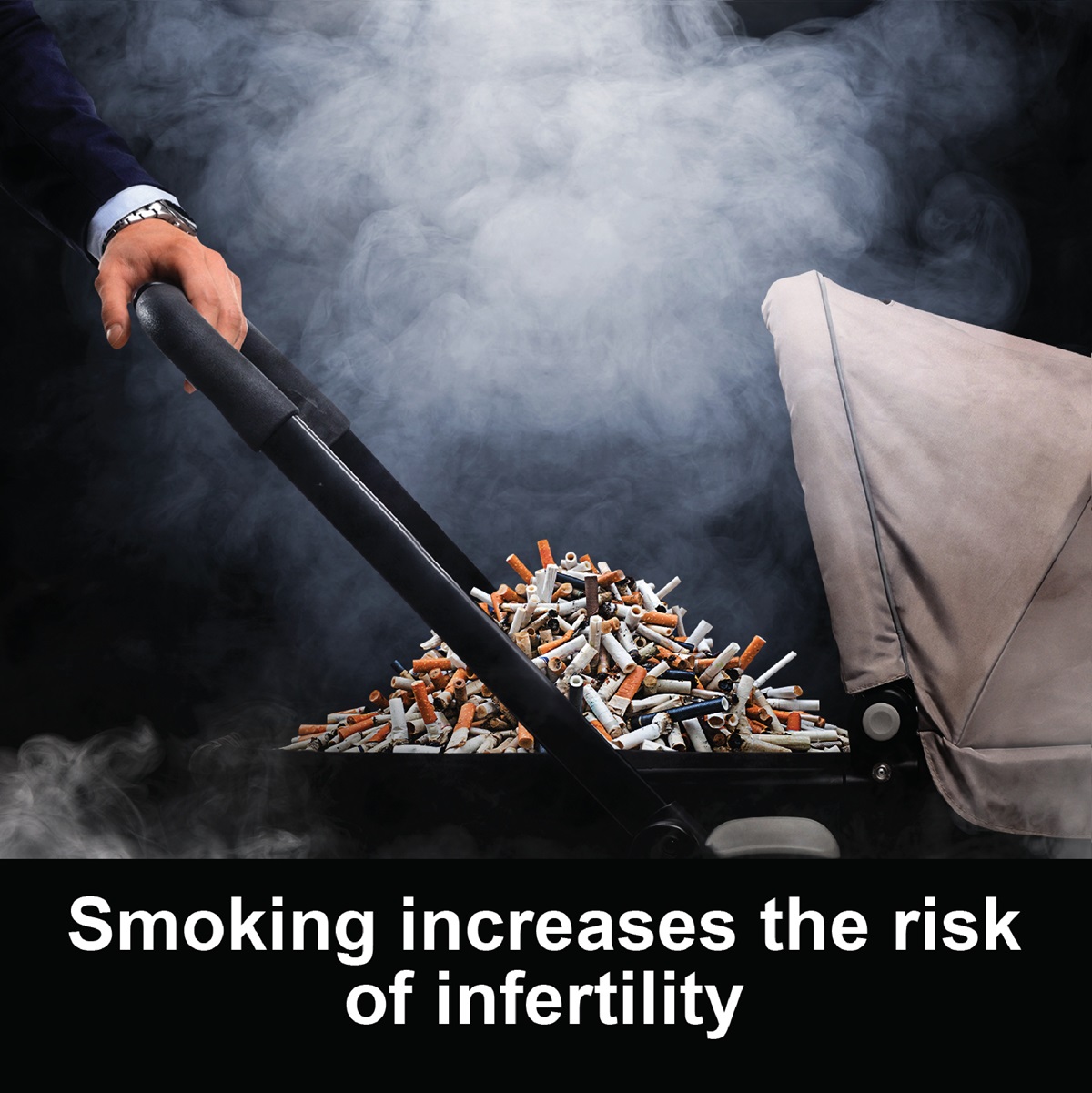
On September 8, 2026, the World Health Organization published a knowledge summary linking tobacco use to infertility in women, reproductive and sexual dysfunction in men, and reduced success rates for assisted reproduction — and warned that second-hand smoke carries reproductive risk too, meaning you don't have to smoke yourself to be exposed.
Why It Matters
Two industries just got handed a free, citable, WHO-branded talking point — and a clinical obligation. The first is fertility tech, a category that has spent 2026 absorbing bad news: Ovom's bankruptcy in Portugal, Hale's wind-down in Italy, IVI RMA buying Illume out of The Fertility Partners. For at-home sperm testing platforms (Legacy, Yo Sperm), fertility tracking apps and IVF clinics alike, "smoking may roughly halve your ART success odds" is the rare modifiable-risk-factor message that is both evidence-backed and actionable inside an app. Cessation support is an obvious, cheap adjacent module — and WHO just told providers to deliver it in every health-care setting. The second is male sexual health. The Cleveland Clinic's MENtion It survey, released September 1, found 51% of American men were unaware that smoking or vaping can cause ED, and 50% didn't recognise that lifestyle affects sperm quality. WHO's summary supplies the authoritative counterweight to exactly that gap. For telehealth ED platforms — Hims, Ro, BlueChew and the rest — this is a credibility opportunity and a slight commercial tension: the honest version of male sexual health care includes telling a meaningful share of customers that the underlying driver may be a cigarette, not a missing prescription. The platforms that build cessation into the funnel rather than routing straight to a PDE5 inhibitor will look considerably better when regulators start asking harder questions about direct-to-consumer prescribing.The headline numbers are specific. A systematic review of studies conducted between 2000 and 2026 found women who currently smoke have a 40% higher risk of infertility than non-smokers. Women who smoked in the past but have quit may have a 25% lower risk of infertility than those who continue — evidence, WHO notes, that quitting makes a meaningful difference. Globally, one in six people of reproductive age will experience infertility at some point, defined as failure to conceive after 12 or more months of regular unprotected sex.
The male-health findings are the part the sexual wellness sector should read twice. WHO cites a recent review of 44 studies covering more than 60,000 men that associated smoking with reproductive dysfunction including semen abnormalities and sexual dysfunction — men who smoke were more likely to have erectile dysfunction and ejaculation problems, alongside azoospermia, poor sperm motility and abnormal sperm morphology. The organisation is explicit that infertility is not only a women's health issue.
For patients in treatment, the effect is blunt: WHO cites earlier research across 21 studies showing cigarette smoking was linked to fewer live births and fewer pregnancies following assisted reproduction, with findings suggesting the chances of successful outcomes may be roughly halved. Evidence on e-cigarettes, waterpipes and smokeless tobacco is still emerging; WHO says the evidence is strongest for cigarettes but warns other nicotine products may also pose risks and require further research.
The recommendation is operational rather than rhetorical: health-care providers should inform individuals and couples planning pregnancy about the reproductive risks of tobacco, offer evidence-based cessation support, and consistently deliver brief quit advice to all tobacco users in all health-care settings. "For all people who plan pregnancies, our message is, 'Stop smoking, improve your health, improve your reproductive health as well,'" Dr. Kerstin Schotte of WHO's Tobacco Free Initiative told UN News.
Sources
- Tobacco smoking may be harming your chances of having a baby — World Health Organization
- Tobacco use can undermine fertility, UN health agency warns — UN News
Update — 2026-09-11
{Initial entry — story first created.}