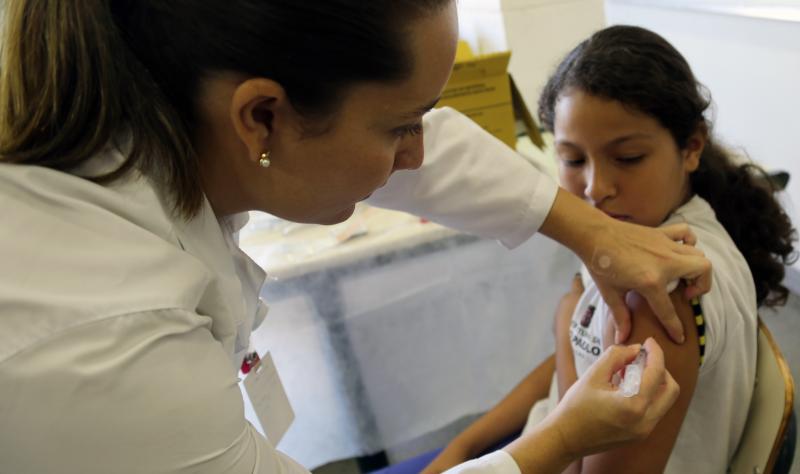
On October 13, 2026, the World Health Organization's Strategic Advisory Group of Experts on Immunization (SAGE) said at a Geneva press conference that a single dose of the human papillomavirus (HPV) vaccine is now the most efficient strategy for preventing cervical cancer. In 2022, SAGE had called one dose an acceptable "alternative schedule." It is now the preferred approach for the priority group of girls aged 9 to 14. SAGE also said countries "may also consider routine vaccination (for) girls aged four to eight years if this is likely to result in increased vaccination uptake and coverage," in the words of SAGE chair Anthony Scott, reported by RTÉ.
Why It Matters
HPV is among the most common sexually transmitted infections. Cutting the schedule to one dose is the biggest efficiency gain sexual-health prevention has seen in years, because it halves the cost and logistics of every course and makes catch-up for boys and young adults more realistic. The commercial effect runs in two directions. Fewer doses per person is bad news for vaccine volumes. Broader eligibility and higher coverage strengthen the "vaccinate plus self-screen" model behind the at-home HPV testing companies in our archive (see [Teal Health](/stories/teal-health-22m-series-a) and the [NHS at-home self-sampling rollout](/stories/nhs-at-home-hpv-self-screening-rollout)). The "girls aged 4 to 8" option will draw headlines and some political pushback. Sexual-health brands and educators should be ready to explain that it is about reaching children while they are in contact with health systems, not about sex.Single-dose catch-up now extends to more groups, according to CIDRAP. Unvaccinated women aged 25 and under come first, then women up to 30, then boys aged 9 to 14, then males up to 20. Immunocompromised people, including those with well-controlled HIV, should still get two doses, and severely immunocompromised people three. The reason is coverage. Some 165 countries have introduced the vaccine, but global coverage is only 33% against a 90% target, Scott said. By the end of 2025 more than 95 million girls had been vaccinated, according to WHO vaccines director Kate O'Brien. RTÉ, citing WHO, reports that cervical cancer, the fifth most commonly diagnosed cancer in women, caused about 604,000 new cases and 280,000 deaths in 2024.
O'Brien said funding shortfalls and staff constraints make evidence-driven vaccine policy "more critical than ever." CIDRAP cites a Johns Hopkins evidence brief noting that fewer doses also mean lower cold-chain costs. "As new evidence emerges, epidemiological patterns evolve, and public health needs change, and therefore our recom[mendations]" have to change too, said SAGE executive secretary Annelies Wilder-Smith.
Sources
- One HPV vaccine dose often sufficient, say WHO advisers — CIDRAP (Oct 14, 2026)
- WHO experts call for HPV vaccine for girls aged 4 and up — RTÉ News (Oct 13, 2026)
Update — 2026-10-19
Initial entry — story first created.