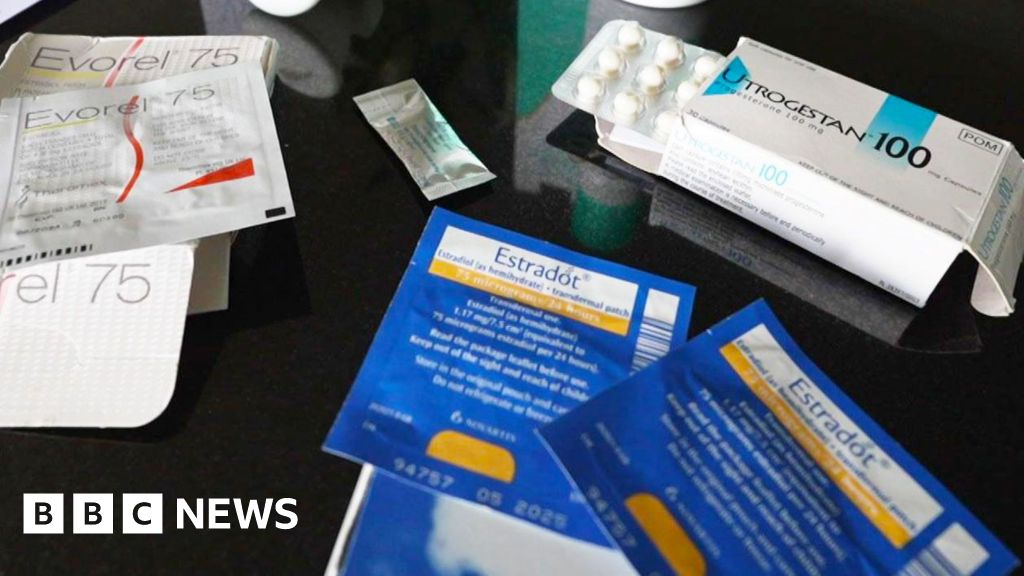
On September 2, 2026, BBC Wales reported that post-menopausal women are filling out online pharmacy questionnaires as men in order to obtain testosterone, because NHS access to the hormone in Wales varies so widely by health board that specialists describe it as a postcode lottery. Dr Michelle Olver, a consultant in sexual and reproductive health who runs a menopause clinic, told the BBC she has treated women with up to twelve times the safe female physiological level of testosterone — an overdose exposure that carries permanent consequences.
Why It Matters
This is what unmet demand looks like when a category is clinically legitimate but commercially unserved. Female sexual desire after menopause is a well-documented indication with an evidence base, no licensed product, and a prescribing pathway that varies by postcode — which is a near-perfect recipe for driving patients to unregulated online supply. For the femtech and menopause-care sector, the story cuts two ways. It is the clearest possible market signal for anyone developing a female-dosed testosterone product: the demand is not hypothetical, and patients are already assuming legal and physiological risk to get it. In the US, the FDA has separately opened a pathway toward an approved testosterone indication for low libido — a development Afterglow has tracked — and the UK's grey market is the strongest argument yet for why that pathway matters commercially. The second read is a warning for telehealth. Online pharmacy questionnaires that can be defeated by lying about sex are a compliance liability waiting to become an enforcement action, and every menopause telehealth platform expanding into hormone prescribing should treat identity and lab verification as a product feature rather than a cost centre. Twelve times the safe level is not a rounding error; it is a headline waiting to be written about someone's platform.The clinical stakes are specific, not abstract. "When you persistently have very high testosterone levels you can get undesirable permanent side effects," Olver said. "Nobody wants to have baldness, deepening of the voice or enlargement of the clitoris." Testosterone is a naturally occurring hormone in women that declines with age, and in the UK it is prescribed to post-menopausal women — off-licence, using the male product at far lower doses — specifically to help with reduced libido. There is currently no testosterone medication licensed for women in the UK. Standard practice requires a baseline blood test and ongoing monitoring to keep levels inside the female range; the grey market delivers neither.
Demand is not the problem. The BBC reports a "very sharp increase" in testosterone referrals for post-menopausal women. Supply is the problem, and it is structural. Dr Rebeccah Tomlinson, a GP who runs an NHS menopause clinic and trains other GPs as menopause specialists, described practices where reluctance to prescribe off-licence medication concentrates all testosterone requests on one or two interested clinicians — and where the workload imbalance then triggers a blanket practice-wide ban. "That moves the onus for prescribing onto secondary care," she said, which means gynaecology waiting lists. BBC Wales spoke to one woman whose prescription was honoured by her original GP, refused by a new surgery after she moved health boards, and ultimately obtained by filling in an online pharmacy questionnaire pretending to be a man — at a fraction of the private cost.
Patient advocates are pushing for consistency rather than liberalization. Emma Thomas, co-founder of the menopause support group Menopals Cardiff and Vale, told the BBC that members routinely report GPs saying there is no need for testosterone or that the surgery simply will not prescribe it. Both specialists and the women interviewed agreed testosterone is not a silver bullet: one 57-year-old described feeling "jittery and on edge" within a week and stopping. The Welsh government's response was that "all health boards are expected to provide individualised care." Tomlinson's view is that a licensed female-dosed product "could shift the narrative" and get more GPs comfortable prescribing.
Sources
- Menopausal women pose as men to buy testosterone online after prescription difficulties — BBC News
- Menopausal women posing as men to buy testosterone amid NHS access issues — FemTech World
Update — 2026-09-06
{Initial entry — story first created.}