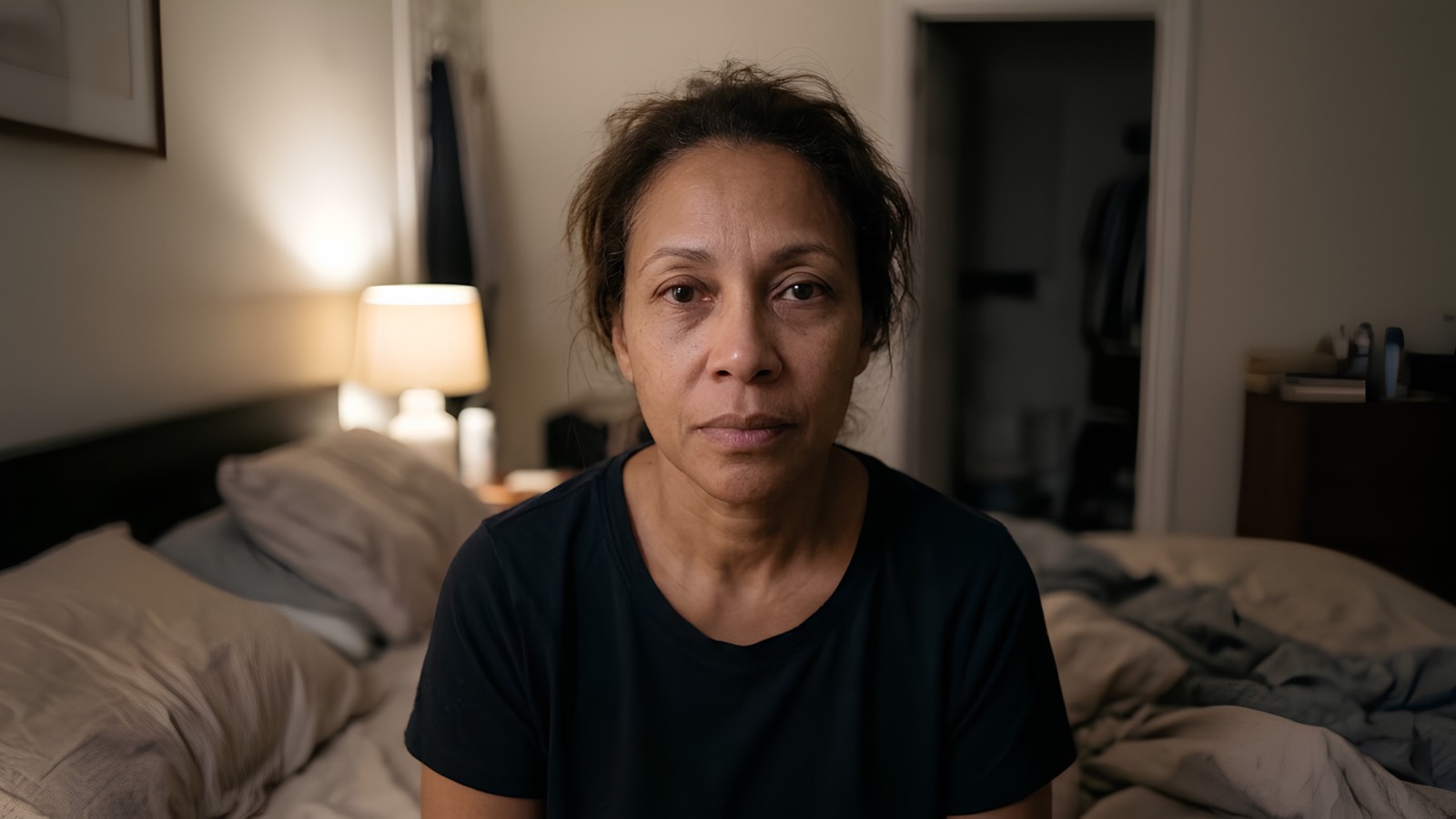
On October 20, 2026, the CDC's National Center for Health Statistics released NCHS Data Brief No. 575, Characteristics of Women Ages 40–60 with Menopausal Symptoms: United States, 2025 (Vahratian and Clayton; DOI 10.15620/cdc/252478). It is the first federal estimate from the National Health Interview Survey of how many midlife women have symptoms and how many are treated. 49.4% of women aged 40–60 who were not pregnant, postpartum or in surgical menopause reported menopausal symptoms in the previous 12 months. Prevalence peaked at 62.0% among women 48–51 and 67.4% among women 52–55. Among women with symptoms, only 15.6% were currently taking prescription medication for them, with use highest among those aged 52–60.
Why It Matters
The commercial case for menopause telehealth has relied on survey data from brands. This is a federal number. Roughly **14 million symptomatic U.S. women aren't on prescription treatment**, and the coding data suggests a large share of them see primary care doctors who never document menopause, which means no claims trail and no referral. That is the market [Midi](/stories/estradiol-patch-shortage-fda-action), [Blair Health](/stories/blair-health-42m-preseed-specialist-gap) and [Allara](/stories/allara-30m-womens-hormonal-care) are going after, and the timing matters. [ACOG](/stories/acp-menopause-hormone-therapy-first-line) has just strengthened its hormone-therapy recommendations, the [White House women's-health order](/stories/trump-womens-health-executive-order-nih) named menopause a federal priority, and the FDA approved the [first generic Climara Pro](/stories/fda-first-generic-climara-pro) the same day the brief came out. There is also a supply-side caveat. Moving even a few points of that 84% untreated share onto estradiol would add demand to a [patch supply that is already rationed](/stories/estradiol-patch-shortage-fda-action). The Black–White and Medicaid gaps in the Penn coding data are also a warning. Unless payers cover virtual menopause care, DTC growth may widen access gaps rather than close them.Yahoo's write-up of the brief turns those percentages into national totals: about 17 million women with symptoms, roughly 2.6 million of them on prescription treatment. Even in the peak 52–55 group, only 21.9% of symptomatic women were medicated. Reported symptom prevalence varied by race and ethnicity: 54.3% of non-Hispanic White women, 45.3% of Black women, 44.3% of Hispanic women and 36.1% of Asian women. The survey didn't ask about severity or about women who wanted treatment and couldn't get it, so "untreated" doesn't automatically mean "underserved."
A second dataset presented at The Menopause Society's 2026 Annual Meeting in San Diego (October 20–24) shows where the gap appears in the clinic. Penn Medicine researchers led by Dr. Arina Chesnokova analyzed 666,606 outpatient encounters among 109,937 women aged 45–60 (January 2022–April 2026). Only 7.8% of visits carried a menopause-related diagnosis code, and only 28% of patients had even one such visit. OB/GYN visits were nearly four times as likely as family-medicine visits to code menopause (OR 3.88). Black patients (OR 0.62), Medicaid patients (OR 0.72) and uninsured patients (OR 0.63) were significantly less likely to have a menopause-coded encounter than White and privately insured patients.
Sources
- Characteristics of Women Ages 40–60 with Menopausal Symptoms: United States, 2025 — NCHS Data Brief No. 575 via PubMed (Vahratian & Clayton, Oct 2026)
- Nearly 17 Million Women Report Menopause Symptoms. Just 16% Take Prescription Medication — Yahoo Creators (Oct 21, 2026)
- Menopause Diagnoses Documented in Just 7.8% of Midlife Women's Outpatient Visits, Study Finds — Patient Care Online (TMS 2026)
Update — 2026-10-25
Initial entry — story first created.