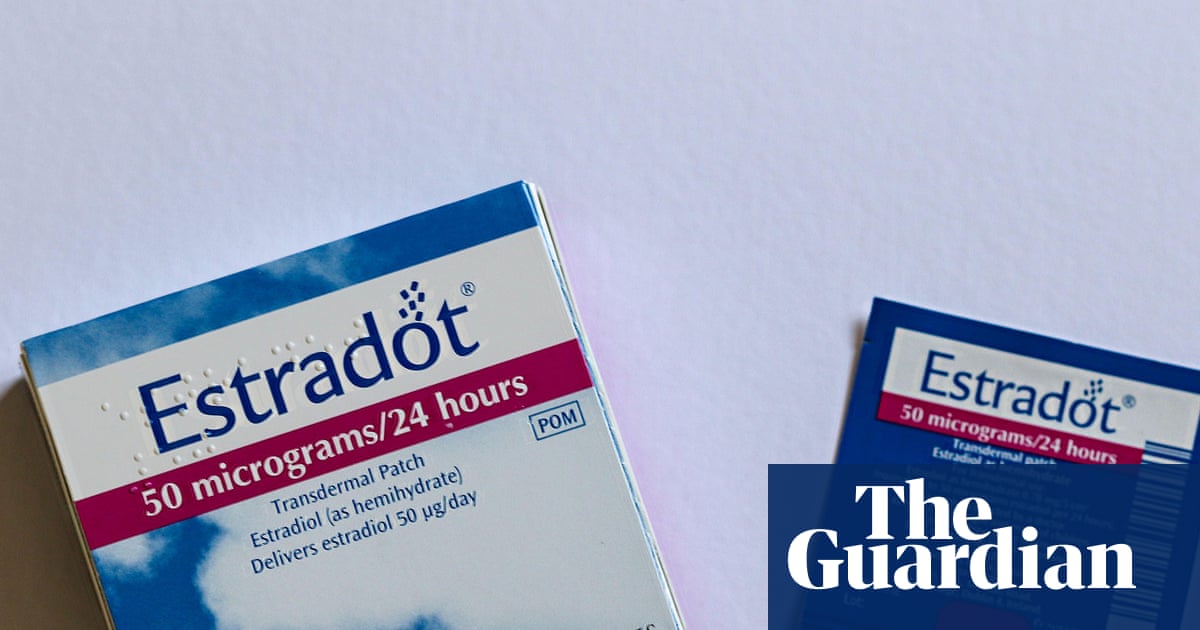
On October 12, 2026, the UK Department of Health and Social Care issued Medicine Supply Notification MSN/2026/048 (Tier 2, medium impact). It says FemSeven Conti patches (estradiol 50 micrograms / levonorgestrel 7 micrograms per 24 hours) are out of stock until late November 2026. Community Pharmacy England lists Evorel Conti and Estradot Conti 30/95 and 40/130 as alternatives that can absorb the extra demand. By October 15 the BBC and the Guardian were reporting that a long-running shortage of Estradot estradiol patches is also continuing. The BBC reports that Northern Ireland's Department of Health has serious shortage protocols in place for Estradot until 8 January 2027. These protocols let pharmacists substitute the same active ingredient at the same dose without a new prescription, if the patient agrees.
Why It Matters
Menopause care has been one of the fastest-growing parts of women's health this year. ACP now recommends hormone therapy as first-line treatment, Midi and Hers are expanding, and Lovehoney has spun out a menopause brand that is now on Boots shelves. Better diagnosis does nothing for patients if the patch isn't on the pharmacy shelf. Recurring transdermal shortages are a supply-side problem for every telehealth menopause provider prescribing in the UK, since each substitution means a patient call, a possible switch of formulation and a risk the patient drops out. It also opens a commercial gap for adjacent products that don't depend on systemic-estrogen supply chains, such as vaginal moisturisers, non-hormonal lubricants and the newer non-hormonal prescription options. This is the second major HRT supply squeeze we've covered this year, after the US pharmacy shortages we reported in March following the FDA's removal of the black-box warning (see [our earlier coverage](/stories/hrt-shortage-fda-warning-removal)). A 10%-a-year demand curve outrunning a small number of patch manufacturers is a structural problem, not a temporary one.The Guardian, citing NHSBSA, says supply problems with some Estradot products began in December 2024. The National Pharmacy Association's Sehar Shahid called it "the second longest running individual medicine shortage in the UK." She urged the new Health Secretary to convene a supply-chain taskforce. Pharmacists and GPs told the BBC that women who have settled on a product often struggle when switched. Some report itchy skin or patches that won't stay on, and clinicians are warning against self-medicating: cutting patches, leaving them on longer than prescribed, or borrowing someone else's HRT. Former British Menopause Society chair Paula Briggs said keeping the same estradiol dose and route matters most, and that switching to a different progestogen shouldn't affect symptom control.
The underlying driver is demand. NHSBSA figures cited by the Guardian show almost 2 million women in England aged 40+ were prescribed HRT for menopause symptoms in 2025–26. Briggs warned that shortages will keep recurring "because year on year we're seeing a more than 10% increase in use."
Sources
- Medicine Supply Notification: FemSeven Conti® transdermal patches (MSN/2026/048) — Community Pharmacy England (Oct 12, 2026)
- HRT: Warning to women amid shortages of some products — BBC News (Oct 15, 2026)
- UK HRT shortages: which products are affected and what to do about it — The Guardian (Oct 15, 2026)
Update — 2026-10-18
Initial entry — story first created.