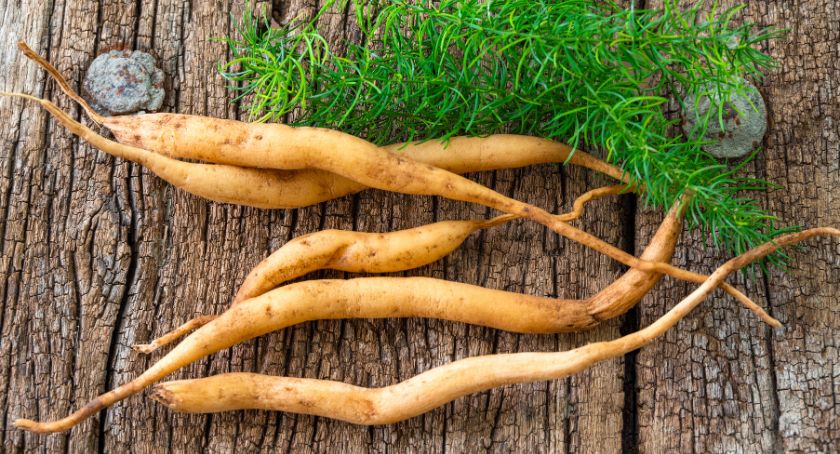
On October 7, 2026, supplement trade outlets Nutraceuticals World and Nutritional Outlook reported results from a randomized, double-blind, placebo-controlled trial of Aspurus, a standardized shatavari (Asparagus racemosus) root extract sold by India's Waleria Healthtech. The study enrolled 70 healthy reproductive-age women reporting low sexual desire. They took 300 mg/day of the extract or placebo for 56 days (8 weeks).
Why It Matters
Libido supplements for women are one of sexual wellness's fastest-growing and least-regulated shelves, with gummies, powders and "desire" blends sold through Amazon, DTC and now quick-commerce. Brands want clinical claims, and this trial gives one ingredient supplier a placebo-controlled study to license to finished-product brands. That is the value of an RCT in this market even when it is small. The risks are the ones the industry keeps running into: the FTC holds structure/function claims to "competent and reliable scientific evidence," the most notable results come from the sponsor's release rather than the paper, and the citation mismatch is the kind of detail that ends up in an NAD challenge. For founders, the real lesson is about trial design. Splitting low desire by **life stage**, so reproductive-age women aren't pooled with menopausal women, is a better fit for the evidence, and the evidence base for female desire products badly needs that segmentation.According to Nutritional Outlook's read of the published paper, the primary endpoint, total Female Sexual Function Index (FSFI) score, rose 67.96% from baseline in the shatavari group versus 7.58% on placebo. The between-group difference at Day 56 was 3.3 points (95% CI 1.6–5.0). Lubrication showed the largest domain gain. Secondary measures also favoured the extract: the Female Sexual Encounter Profile-Revised rose 61.9% versus 4.44%, anxiety/depression scores fell about 25%, and fatigue and sleep-disturbance scores improved. No serious adverse events were reported. Waleria's release adds a 63% improvement in objectively measured vaginal moisture and gains in desire (34.5%), arousal (64%) and satisfaction (80%).
Founder Komal Baldwa said the design deliberately excludes peri- and post-menopausal women: "A woman in her early 20s and a woman in her 50s navigating menopause may both experience low sexual desire, but they are experiencing that concern within very different physiological and life-stage contexts." The fine print: the trial tested the company's own branded ingredient, the sample is small, and the trade coverage doesn't agree on basic details. Nutraceuticals World cites the International Journal of Women's Health and ages 18–42. Nutritional Outlook says the paper appeared in the Journal of Medicine and Life with participants aged 18–45, and notes that the press release and paper differ. Nutritional Outlook also cautions that results from one defined extract "should not automatically be generalized to other shatavari materials."
Sources
- Shatavari Ingredient Improves Sexual Health Measures in Women: Study — Nutraceuticals World (Mike Montemarano, Oct 7, 2026)
- Shatavari Extract Study Reports Improved Sexual Function in Women With Low Sexual Desire — Nutritional Outlook (Nicholas Saraceno, Oct 7, 2026)
Update — 2026-10-11
Initial entry — story first created.