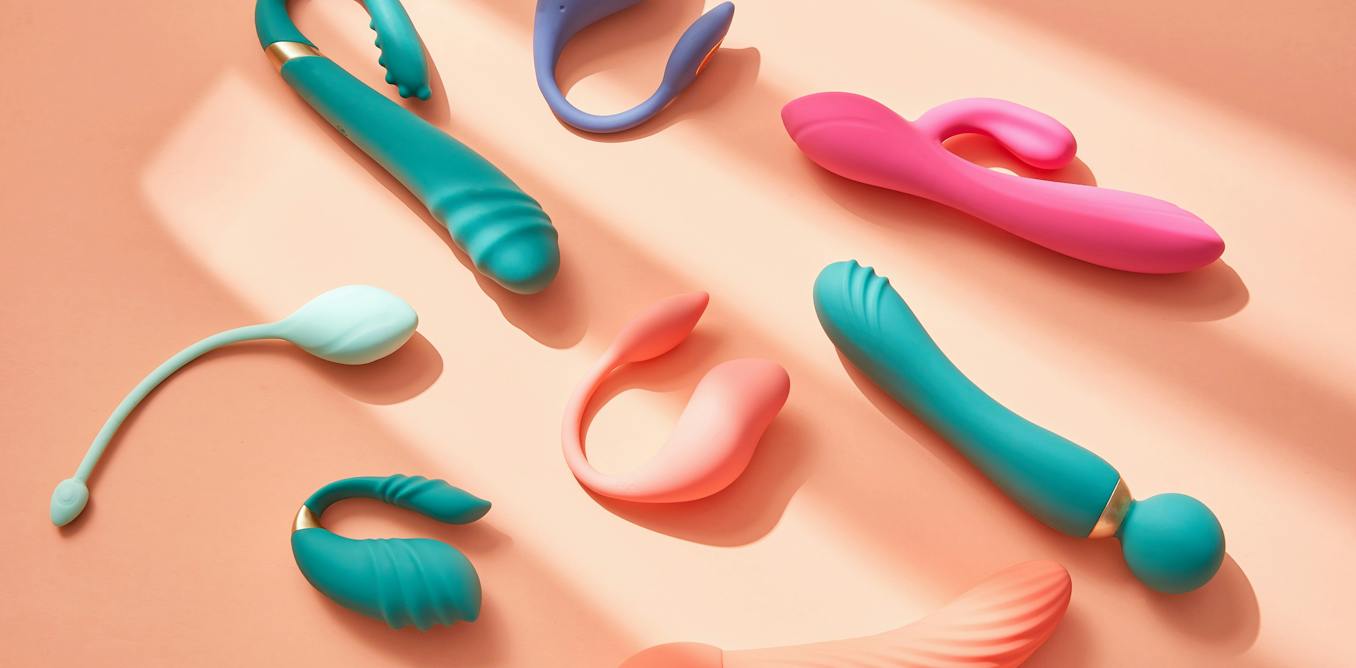
On October 19, 2026, The Conversation published an analysis by Maha Khawaja, a PhD student in Health and Society at McMaster University, arguing that sex toys should be treated as adaptive tools for disabled and chronically ill people. McMaster News republished it on October 20. Khawaja starts from a familiar problem. After illness, disease or the onset of disability, conversations about sex tend to get stuck on "how far does the sex you're having now fall short of the sex you used to have?" Pain, fatigue, reduced mobility, changes in sensation or trouble holding positions make familiar sex harder. Some people keep trying to recreate what they had before, and others give up on sex altogether.
Why It Matters
This is a short commentary, not a clinical trial. Its value for the industry is that it lists unmet requirements, and each one maps to a product decision. Quiet motors and discreet, easy-open packaging are accessibility features as well as nice-to-haves. Grip geometry, hands-free wearability and long handles for limited reach are design specs that can be marketed to a real underserved group, including the large and growing number of people managing chronic illness and aging. A few brands already design for this, and our guides to the [Hot Octopuss DiGiT](/stories/hot-octopuss-digit-guide), [MysteryVibe Crescendo 2](/stories/mysteryvibe-crescendo-2-guide) and [Gender Fluid Thigh Rider](/stories/gender-fluid-thigh-rider-guide) cover several of them. But "adaptive" is still mostly a review-site label, not a product category with standards, clinical partners or reimbursement codes. There's also a commercial point. If toys are framed as assistive devices for documented conditions like MS, spinal cord injury and cancer survivorship, they get closer to the FSA/HSA eligibility, occupational-therapy referrals and pharmacy distribution that have already changed menopause and pelvic-health products. Lovehoney's [MenoPulse in Boots](/stories/lovehoney-sheherme-menopulse-boots) shows that route is open. Disability is the obvious next condition to build around, and companies that bring in disabled users as co-designers will have a credibility advantage over those that simply relabel existing products.Her argument rests on sexual scripts, the cultural routines that treat penile-vaginal intercourse as "real sex" and everything else as warm-up. Adapting requires what she calls sexual flexibility, and toys can help get there. As accessibility tools, she writes, they "deliver controlled stimulation, reduce the physical effort sex requires and broaden what satisfying sex can involve." Her design examples are specific. Ergonomic handles help people with limited grip. Hands-free toys remove the need to hold a device in place, which matters when disability or fatigue makes repetitive movement tiring. Vibration can provide stimulation when sensation is reduced. Positioning aids such as wedges, swings, adaptive seating and ordinary pillows can support body weight for people with limited hip movement, paralysis or joint pain. She cites supportive-care oncology research showing that combining toys with adaptive practices improves satisfaction, desire and relationship quality. She also cites studies showing clitoral vibrators benefit women with multiple sclerosis or spinal cord injuries. For a baseline, she points to a nationally representative study of 1,170 Canadian women, in which 50.6% had used a vibrator.
She also lists where access breaks down: toys are often expensive, come in conspicuous packaging or are too loud, and some contain hormone-disrupting chemicals. Disabled people face the added assumption that they aren't interested in sex, along with limited privacy when living with family or receiving support at home. That makes buying, storing and using a toy a logistical problem as well as an emotional one. She points readers to resources such as OMGYes and to sex therapy.
Sources
- Sex toys aren't just for fun. They can be adaptive tools for disabled and chronically ill people — The Conversation (Maha Khawaja, Oct 19, 2026)
- Analysis: Sex toys aren't just for fun. They can be adaptive tools for disabled and chronically ill people — McMaster News (Oct 20, 2026)
Update — 2026-10-23
Initial entry — story first created.