In May 2026 the Dutch prison service, the Dienst Justitiële Inrichtingen (DJI), quietly lifted its ban on sex toys in women's prisons as a pilot that will run for at least a year. The policy only became public when NOS reported it on September 18. English-language coverage reached a wider audience this week (Around Prague, October 10), and Indonesian officials cited the Dutch precedent while debating their own proposal (see our Indonesia coverage). About 295 incarcerated women can take part, roughly 70% of women held in the Netherlands, according to NOS.
Why It Matters
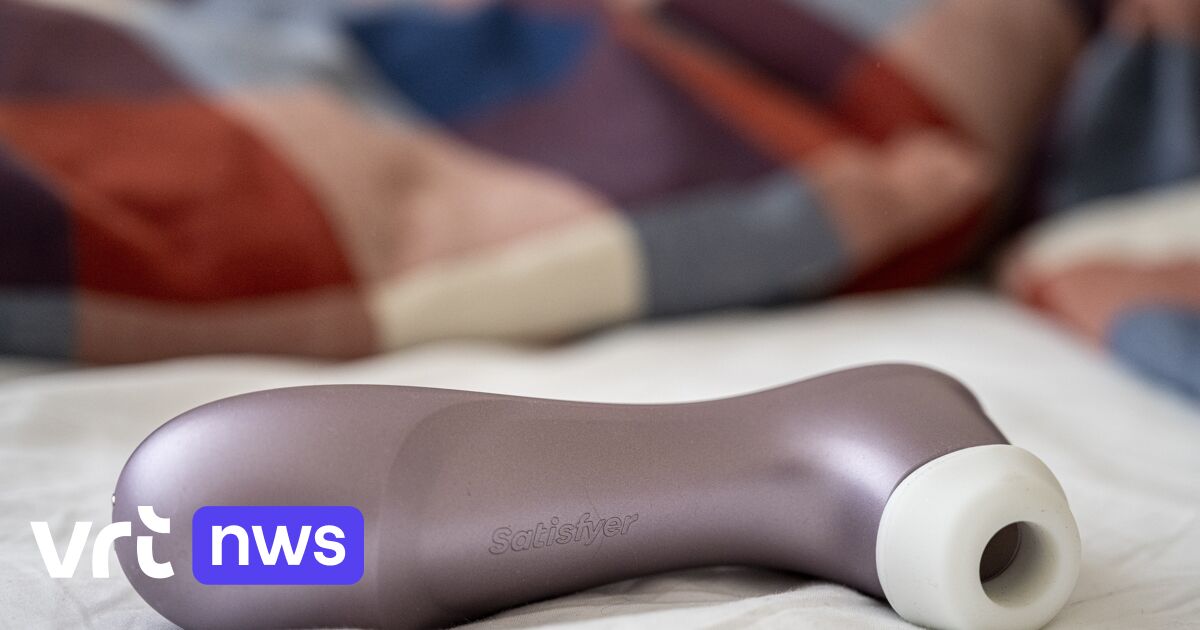
This is a government institution treating pleasure products as health and safety tools rather than contraband. The DJI's reasoning (stress, sleep, infection risk, misconduct) is the same wellness argument the industry has been making for a decade, now written into a state pilot. It also sets out a simple institutional buying standard: neutral design, visually inspectable (a transparent dildo), body-safe and sold at cost. That standard could carry over to other closed settings such as psychiatric care, long-term care and disability services, where access to sexual aids is still mostly unaddressed. The evaluation is what to watch. If the six-month review (due around November) shows measurable gains in wellbeing or safety, expect other European prison systems and disability-care regulators to cite it. Indonesia already has.The scheme is deliberately narrow. Participants can buy one of two "neutrally designed" aids, which the DJI told NOS are an air-pressure clitoral stimulator (the service used the word "satisfyer") and a transparent dildo. They are sold at cost price, not given away. RTV Utrecht reports the participating sites are Nieuwersluis, PI Zuid-Oost (Ter Peel), PI Zwolle and places in the Penitentiair Psychiatrisch Centrum at PI Zaanstad. A six-month interim review will look at wellbeing, sexuality and social safety. A DJI spokesperson said early experience is positive but that sales figures are not yet available.
The rationale comes from Leiden University research on the existing ban. "Healthy sexuality contributes to relaxation, better sleep and less frustration and can reduce health risks that arise from unsafe alternatives," the DJI told NOS. The researchers had written that the ban denied detainees a way to meet sexual needs, and that prison medical staff linked it to health risks such as fungal infections from homemade substitutes. NOS reports the study also suggested access could help curb sexual misconduct in women's prisons. State Secretary Van Bruggen (D66) adopted the recommendation. The ministry says staffing shortages played no role in the decision. NOS raised that question because of an earlier row over soft-porn tablets issued in men's prisons. In neighbouring Belgium, the prison service told VRT there is no specific policy, though exceptions can be made in therapeutic contexts.
Sources
- Seksspeeltjes op proef toegestaan in de vrouwengevangenis — NOS (Sept 18, 2026)
- Nieuwersluis doet mee aan pilot met seksspeeltjes in vrouwengevangenissen — RTV Utrecht (Sept 24, 2026)
- Dildo's en satisfyers toegelaten in Nederlandse vrouwengevangenissen, in België (nog) niet — VRT NWS (Sept 21, 2026)
- Netherlands allows sex toys in women's prisons in a pilot scheme — Around Prague (Oct 10, 2026)
Update — 2026-10-12
Initial entry — story first created.