On August 14, 2026, Forbes reported that Indiana Fever star Aliyah Boston has joined menstrual care startup Sequel as an official co-owner, taking equity in exchange for content creation and marketing campaigns rather than a flat endorsement fee. Femtech Insider covered the deal on August 18. Boston — the No. 1 pick in the 2023 WNBA draft, a 2026 Forbes Under 30 lister, and the owner of more than 600,000 social followers — initiated the conversation herself back in February through her management team, according to Sequel co-founder Amanda Calabrese.
Why It Matters
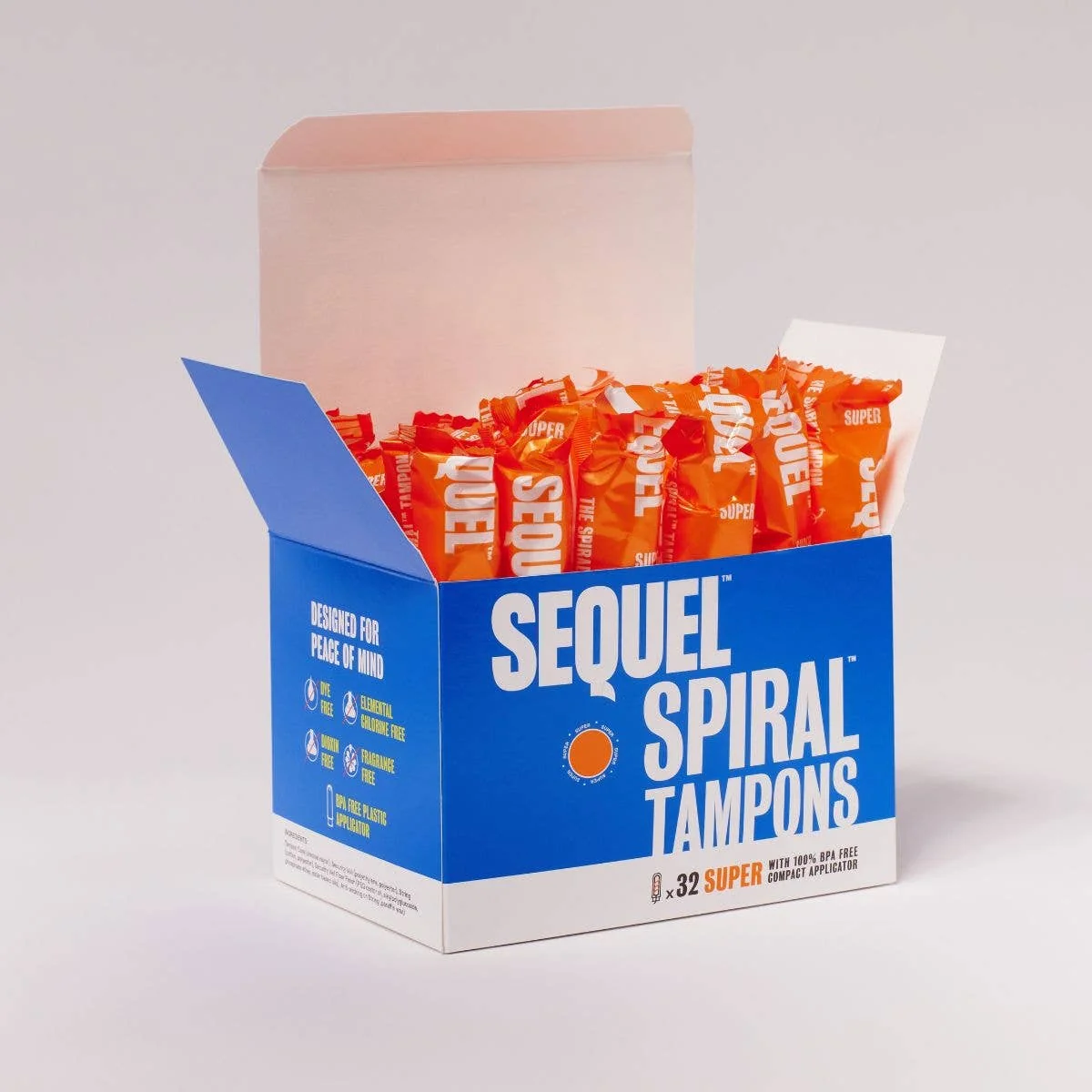
Femtech has a well-documented distribution problem — mainstream retail is slow, paid social is restricted, and clinical credibility doesn't translate into shelf velocity. Sequel is running an end-run around all three by embedding in professional women's sports, where the audience, the use case and the credibility all converge. An FDA-cleared tampon with a genuine engineering claim, sold through TikTok Shop and validated by athletes who actually compete in it, is a materially different go-to-market than a DTC ad spend. The equity-for-influence structure is the broader signal. Athletes and creators increasingly want ownership rather than fees, and for a capital-constrained femtech company that's an efficient trade: marketing reach paid in dilution rather than cash. It also aligns incentives in a category where authenticity is the whole product — a co-owner who has used the tampon in a WNBA game is a fundamentally more persuasive spokesperson than one reading a script. For investors watching the period-care category, this is a proof point that the moat in menstrual products may be community and distribution rather than formulation. And for the sexual wellness industry more broadly, it's another data point that the fastest route past advertising restrictions runs through sports, culture and creator commerce rather than through the ad platforms that keep saying no.Sequel was founded by former athletes and Stanford engineering graduates Amanda Calabrese and Greta Meyer, and its hero product is the Spiral Tampon, which uses helical panels instead of conventional vertical ones to improve absorption and reduce leaking. The company has secured FDA approval for the tampon and raised more than $8 million to date. Rather than fighting for conventional retail shelf space, Sequel has grown through in-real-life activations and community-first shopping content on TikTok Shop — a distribution strategy that makes an athlete co-owner considerably more valuable than a billboard.
The sports partnerships are the connective tissue. Sequel is already the Official Tampon Partner of the Indiana Fever and has supplied product to Yankee Stadium and Audi Field. To mark Boston's arrival, the company worked with an experiential marketing firm to build a life-size replica of her locker room in the concourse at Gainbridge Fieldhouse, complete with signed jersey and shoes, and gave away 5,000 free boxes of tampons to fans. Boston has invested elsewhere before — she is an investor in NWSL's Boston Legacy FC — but this is her first equity partnership in which she takes an active operating role rather than serving as a brand ambassador.
The timing rides a genuine audience surge: more than 70 million unique viewers had reportedly tuned into a WNBA game over just the first half of the 2026 season, up from under 50 million across the entire 2025 run.
Sources
- WNBA Star Aliyah Boston Joins Under 30 Company Sequel As Co-Owner — Forbes
- Menstrual Care Startup Sequel Taps WNBA Star Aliyah Boston As Co-Owner — Femtech Insider
- Aliyah Boston Invests in Sequel as a New Co-Owner — Booking Agent Info
Update — 2026-08-19
Initial entry — story first created.