On October 20, 2026, President Trump signed the bipartisan Romance Scam Prevention Act into law. It creates the first federal duty specific to online dating services. When a platform bans an account for fraud, it must send a fraud-ban notification to every user who received a message from that account through the service. Per ICIJ's summary, the notice is generally due within 24 hours of the ban. It must identify the banned account and say when the user last messaged it, warn that the person may have used a false identity or tried to defraud users, advise against sending money or financial information, and give fraud-prevention resources and customer-service contacts. The law takes effect in a year (October 2027) and will be enforced by the FTC and state attorneys general.
Why It Matters
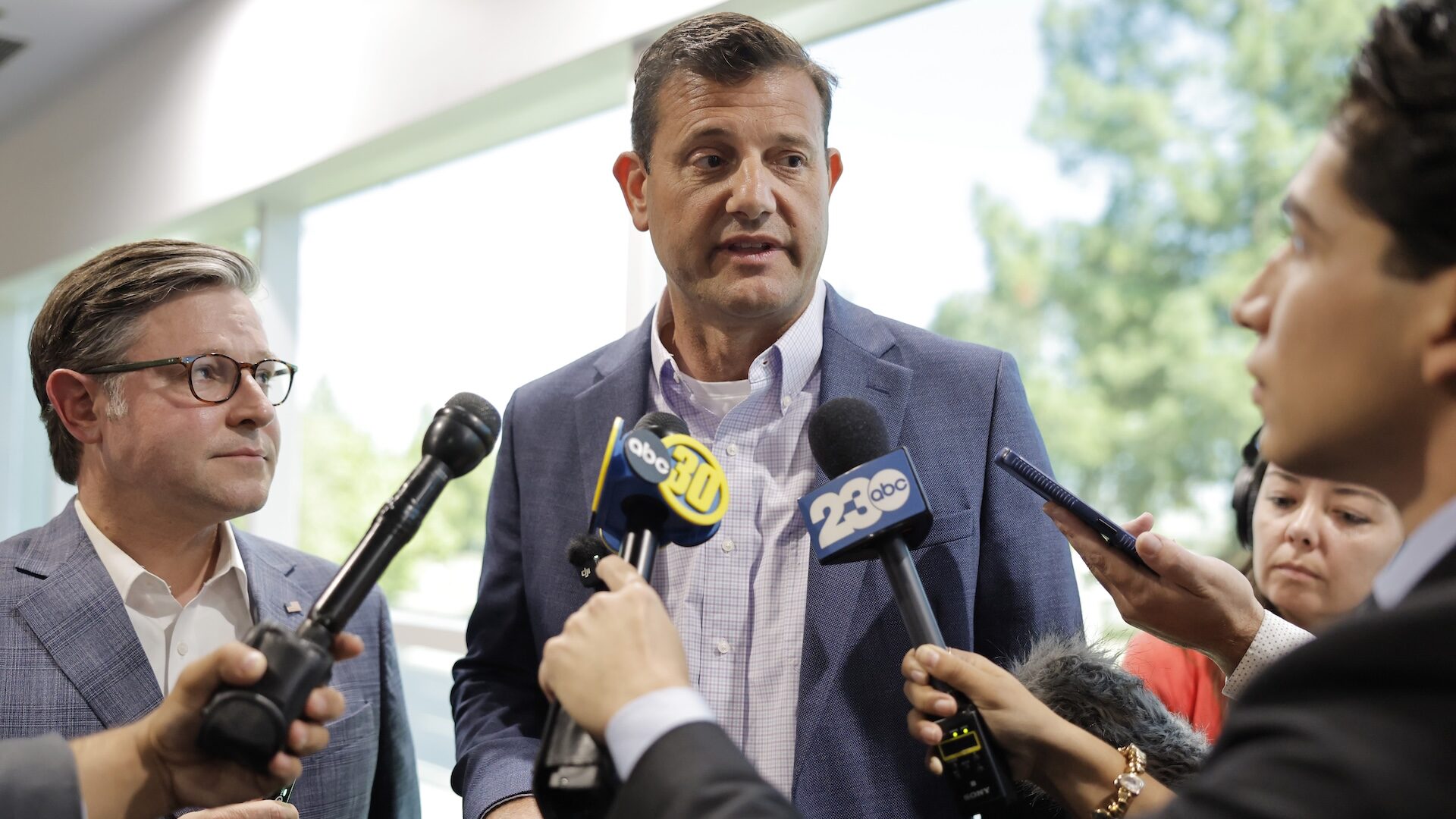
For dating and hookup platforms (Grindr, Feeld, Bumble, Match's portfolio and niche kink and cruising apps), this is a **compliance-build item with a 12-month runway**. It requires a message-graph lookup at ban time, templated notices and an audit trail that FTC and AG enforcers can request. Large platforms are mostly ready. Smaller adult-adjacent apps that rely on manual moderation may not be. The national standard also replaces a patchwork of state rules, which helps every platform. The bigger signal is the **liability model**. American Banker frames it as the first time Congress has put a scam-prevention duty on a *platform* rather than on the bank that moved the money, which is what banking trade groups have lobbied for. The duty is a notice, not reimbursement. Once Congress assigns platforms a duty of care toward users, the same reasoning can extend to other harms that start on apps, such as sextortion, AI "chatfishing" and fake-creator funnels. That is relevant to the [AI-persona creator accounts](/stories/ai-comedians-onlyfans-joke-theft) and [companion-bot rules](/stories/twelve-state-companion-bot-laws-map) we've been tracking.Rep. David Valadao (R-CA) introduced the bill in the House with Reps. Tom Suozzi, Craig Goldman and Brittany Pettersen. Sens. Marsha Blackburn (R-TN) and John Hickenlooper (D-CO) sponsored the Senate version, which passed unanimously in late September. Lawmakers cited FTC data showing 70,000+ romance-scam reports and a record ~$1.47 billion in U.S. losses in 2025. American Banker adds that bank transfers carried the largest share of reported losses ($195M), ahead of crypto ($159M).
American Banker's reading is that the law mostly codifies existing practice. Most dating services already send these notices because at least four states require them, and the federal law overrides those state rules. Its purpose is to reach the victim who has already moved the conversation off-app to WhatsApp or text, where the platform can no longer step in. ICIJ ties the law to its July investigation into pay-per-message dating sites run by Malta-based Social Discovery Group, and to a Joint Economic Committee minority report on scams across Match Group platforms.
Sources
- President Signs Congressman Valadao's Romance Scam Prevention Act into Law — Office of Rep. David Valadao (Oct 21, 2026)
- New US law requires dating apps to include warnings on romance scams — ICIJ (Oct 21, 2026)
- Why banks should care about the new romance scam law — American Banker (Oct 22, 2026)
Update — 2026-10-25
Initial entry — story first created.