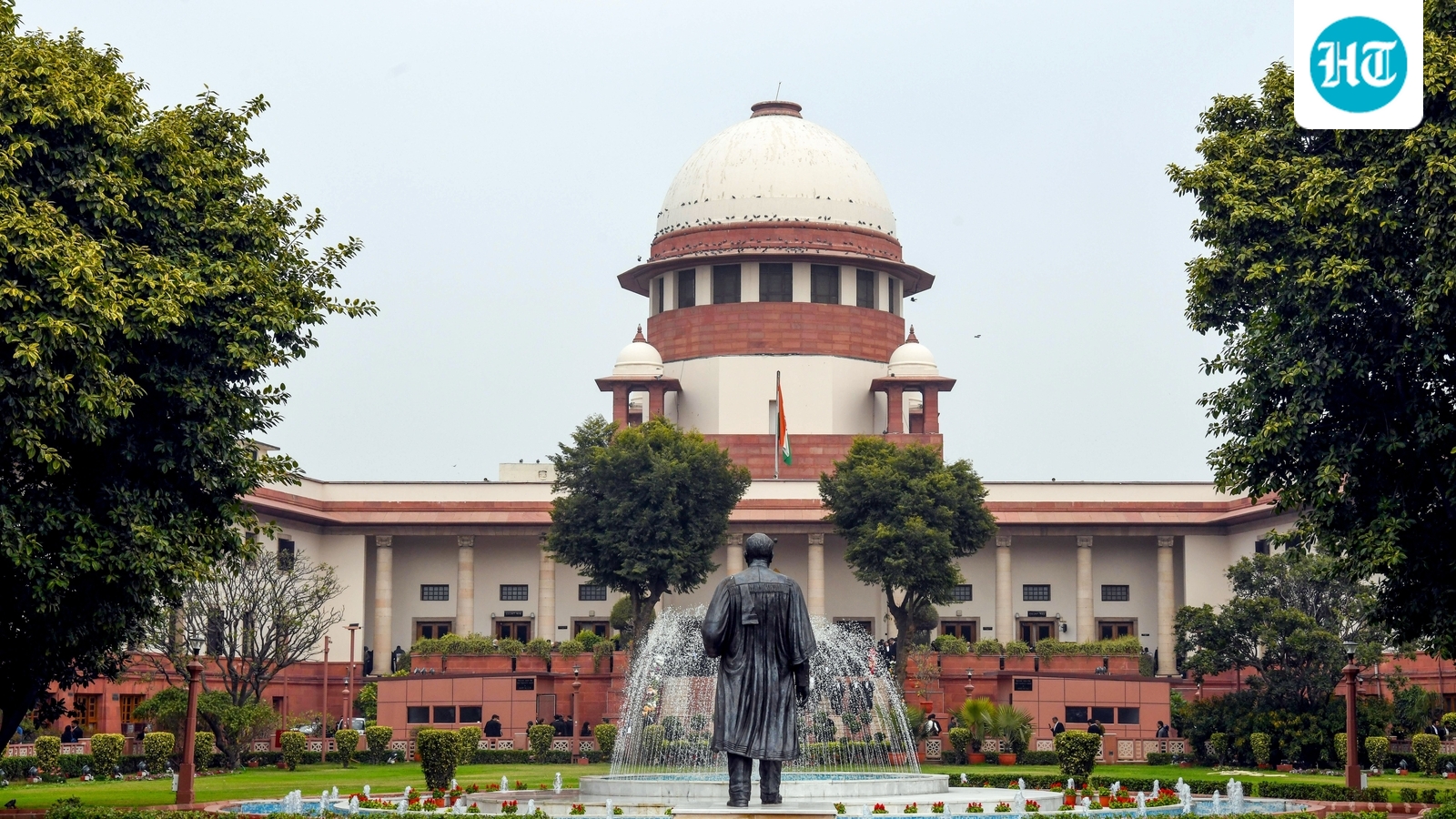
Two apex courts on two continents weighed in this week on voluntary sex work, and both drew the same line. On October 23, 2026, the Hindustan Times reported that India's Supreme Court had directed the National Judicial Academy to draft a uniform protocol for magistrates. The protocol is meant to help them decide whether an adult woman "rescued" in an anti-trafficking raid was trafficked or was doing sex work voluntarily. Three days earlier, on October 20, Czech media reported that Czechia's Constitutional Court had confirmed that income from voluntary sex work is taxable like any other self-employment. The court rejected the argument that taxing it turns the state into a pimp.
Why It Matters
Most regulation of sex work and adult platforms rests on one question: can the law tell consensual adult work apart from exploitation? Raids, payment-processor bans, debanking and platform takedowns usually assume it can't. These two rulings say courts can and should. In both countries the result is the same: voluntary sex work becomes a recognised economic activity with obligations attached, and stops being treated as an automatic sign of victimhood. For the creator economy this connects to several threads Afterglow has been following. Ukraine's Draft Law 15294 is meant to fix the trap where creators [declare foreign income and then face prosecution over it](/stories/ukraine-rada-rejects-porn-decriminalization). Argentina is [chasing OnlyFans creators for tax](/stories/argentina-arca-onlyfans-creator-tax). France is going the other way with [Bill 3106's proposal to treat cam tips as buying sex](/stories/france-bill-3106-online-sex-work-ban), and the [Stormont inquiry wants sex-ad websites banned](/stories/stormont-inquiry-ban-prostitution-ad-sites). A clear court position that sex-work income is taxable gives creators, processors and banks something concrete to point to when they argue the money is lawful income and not proceeds of crime. That doesn't settle banking access, but it's a step toward it. The open question in India is implementation: the court itself said its directions risk "remaining confined to judgments." The next compliance hearing will show whether states are actually changing how raids work.India: a mandatory "threshold inquiry." The directions come from a bench of Justices JB Pardiwala and R Mahadevan. They build on the court's May 29, 2026 judgment in a public interest case filed in 2004 by the NGO Prajwala. In May, the court held that the Immoral Traffic (Prevention) Act (ITPA) must not be used to put adult voluntary sex workers through the rescue, custody and rehabilitation process designed for trafficking victims. It said prostitution in itself is not an offence, and that adult voluntary sex workers must not be arrested, penalised, harassed or victimised during raids just because they are found in a brothel. The new order requires magistrates to hold a threshold inquiry for every adult woman rescued in a raid, including women who say their work is voluntary. The court warned that traffickers may coach victims to claim consent. It also said that the possibility of coercion cannot justify indiscriminate detention, and that rehabilitation cannot routinely be imposed against a woman's will. States and Union territories must also formally notify their Anti-Human Trafficking Units as police stations. The Centre must file a fresh compliance report, because the court found several states had not implemented four of its May directions. Child victims fall under a separate procedure in the Juvenile Justice Act, and Juris Hour notes that the court restated that a child's consent is legally irrelevant.
Czechia: taxable, not endorsed. The Czech case involved a woman assessed back taxes of more than CZK 900,000 for each of 2013 and 2014. According to Expats.cz and SNM, the tax authority noticed her exchanging euros into crowns and depositing the money. She argued that taxing voluntary sex work made the state a pimp, since pimping is a crime in Czechia but selling sex voluntarily is not. She also said politicians' past statements had led her to expect the income was untaxed. The Constitutional Court rejected both complaints and upheld the Supreme Administrative Court. In the decision prepared by Judge-Rapporteur Jiří Přibáň, it said tax law looks at real economic gains, not the moral character of their source: "Taxation is neither moral approval nor state accreditation of the activity." The court added that treating income from voluntary sex work as legitimate and taxable could, over time, strengthen the social standing of the people who earn it. The ruling covers voluntary activity only, not trafficking or coercion.
Sources
- Supreme Court calls for setting human trafficking apart from voluntary sex work — Hindustan Times (Utkarsh Anand, Oct 23, 2026)
- Supreme Court Calls for Distinguishing Human Trafficking from Voluntary Sex Work, Emphasises Protection of Victims — Juris Hour (Oct 23, 2026)
- Sex (legally) sells: Czech court confirms income from prostitution is taxable — Expats.cz (Oct 20, 2026)
- Czech Constitutional Court: Prostitutes Must Pay Taxes — SNM (Oct 20, 2026)
Update — 2026-10-23
Initial entry — story first created.