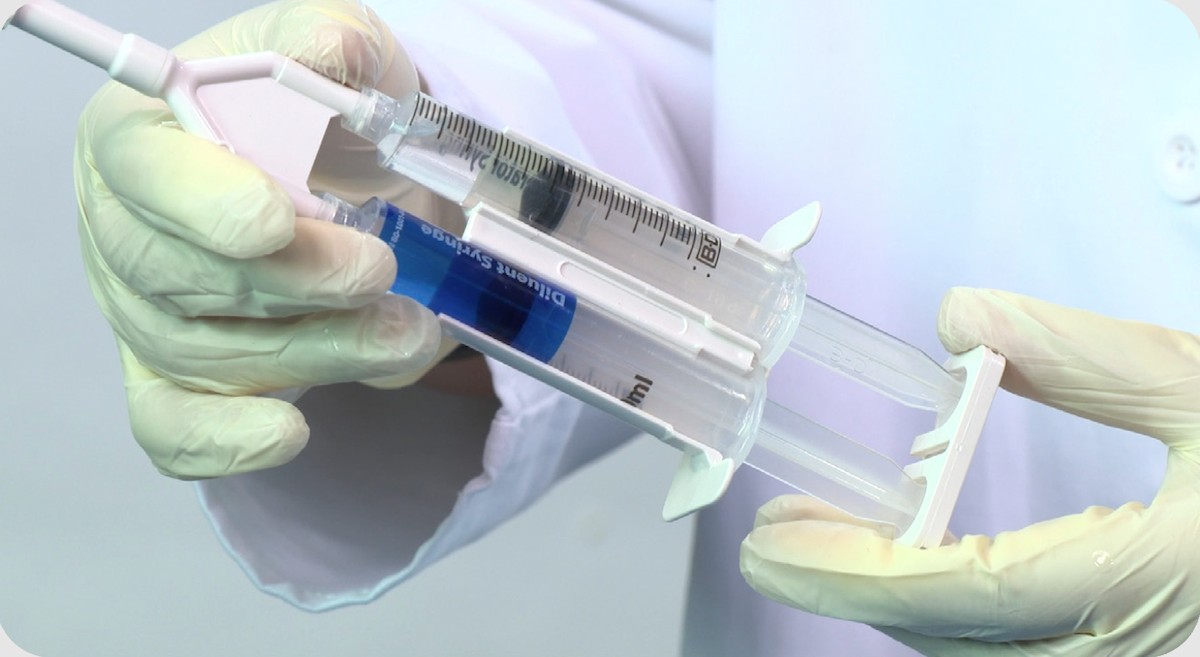
On July 1, 2026, clinical-stage uterine-health company Rejoni announced it had closed $25 million in financing to prepare the commercial launch of its lead product, the Juveena Hydrogel System, ahead of anticipated FDA approval. The round drew a syndicate including ClavystBio, Amed Ventures, Ascension Ventures, Catalyst Health Ventures, Delos Capital, FemHealth Ventures, Iyengar Capital and Sparta Group, as reported by Femtech Insider and Pulse 2.0 alongside the company's own Business Wire release.
Why It Matters
Intrauterine adhesions are an underserved cause of infertility, chronic pelvic pain and painful sex, and there are few purpose-built tools to prevent them after uterine surgery. A funded, FDA-track device from a founder with a proven hydrogel exit signals that investors increasingly see reproductive-surgery adjuncts — not just consumer femtech — as a fundable category. For the sexual- and reproductive-health field, Juveena represents the maturation of femtech into regulated, procedure-based medicine with clear fertility and quality-of-life stakes; its FDA outcome will be a bellwether for whether "women's health hardware" can clear the clinical and reimbursement bar that consumer devices often can't.Juveena is designed to support endometrial healing inside the uterine cavity after intrauterine surgery. Using a proprietary transcervical catheter, clinicians place a soft, temporary hydrogel spacer in the uterus during recovery, with the aim of reducing the incidence and severity of intrauterine adhesions (IUAs) — scar tissue and a leading complication of intrauterine surgery that can cause pelvic pain, menstrual irregularities and infertility. The company frames the product as addressing a long-neglected corner of women's health; CEO John Nealon said the financing positions Rejoni to "move quickly when Juveena is approved," with proceeds directed toward scaling manufacturing and supply, market access, and physician and patient engagement.
Rejoni carries notable pedigree. It was founded in 2020 by serial medtech entrepreneur Amar Sawhney, whose prior companies include Confluent Surgical, Ocular Therapeutix and Augmenix — a track record built largely on hydrogel and bioresorbable-spacer technology now being pointed at the uterus. Juveena remains pending FDA approval and is not yet available for sale, so the raise is explicitly a pre-commercial readiness round rather than a revenue story.
The deal lands amid a busy stretch for reproductive-health financing — Materna Medical's $5M pelvic-floor round and Contraline's $92.5M male-contraceptive Series B are both recent archive entries — and it extends femtech's move beyond apps and wearables into procedural, FDA-track medical devices addressing surgical complications that directly bear on fertility and sexual health.
Sources
- Rejoni Raises $25M to Prepare Uterine Healing Hydrogel for FDA Approval and Launch (Femtech Insider)
- Rejoni Secures $25 Million To Advance Juveena Hydrogel System Toward FDA Approval And Commercial Launch (Pulse 2.0)
Update — 2026-07-05
Initial entry — story first created.
Update — 2026-10-08
FDA approval secured. Three months after the $25M pre-commercial round, Rejoni has received FDA premarket approval for the Juveena Hydrogel System. MedReps reported the approval on October 5, 2026, and Femtech Insider on October 7. The company's release went out on Business Wire around September 29. Juveena is approved to support endometrial healing and to reduce intrauterine adhesions (IUAs) after hysteroscopic adhesiolysis, the surgery that removes uterine scar tissue. It works by delivering a hydrogel through a proprietary transcervical catheter to keep the uterine walls apart while they heal.
The approval rests on the Juveena Pivotal Study, a randomized, subject- and evaluator-blinded controlled trial at 15 US centers. Per Femtech Insider, most Juveena-treated women were adhesion-free after adhesiolysis compared with surgery alone, and the adhesions that did recur were significantly less severe. "Recurrence of IUAs after adhesiolysis has been a persistent problem with few good options," said CEO John Nealon. "This approval gives surgeons a tool backed by rigorous scientific evidence." Rejoni plans to launch at select US specialty centers first, then roll out nationally.
What changed: In July this was a funded but unapproved device. Now it has an FDA approval and a commercial launch plan. It is one of the few FDA-approved devices aimed specifically at preventing a cause of infertility and pelvic pain, as opposed to tracking cycles, and it supports the July thesis that femtech investors are moving toward procedure-based, reimbursable medtech. Next, watch surgeon uptake at the launch centers and whether payers cover it as an add-on to hysteroscopic surgery.