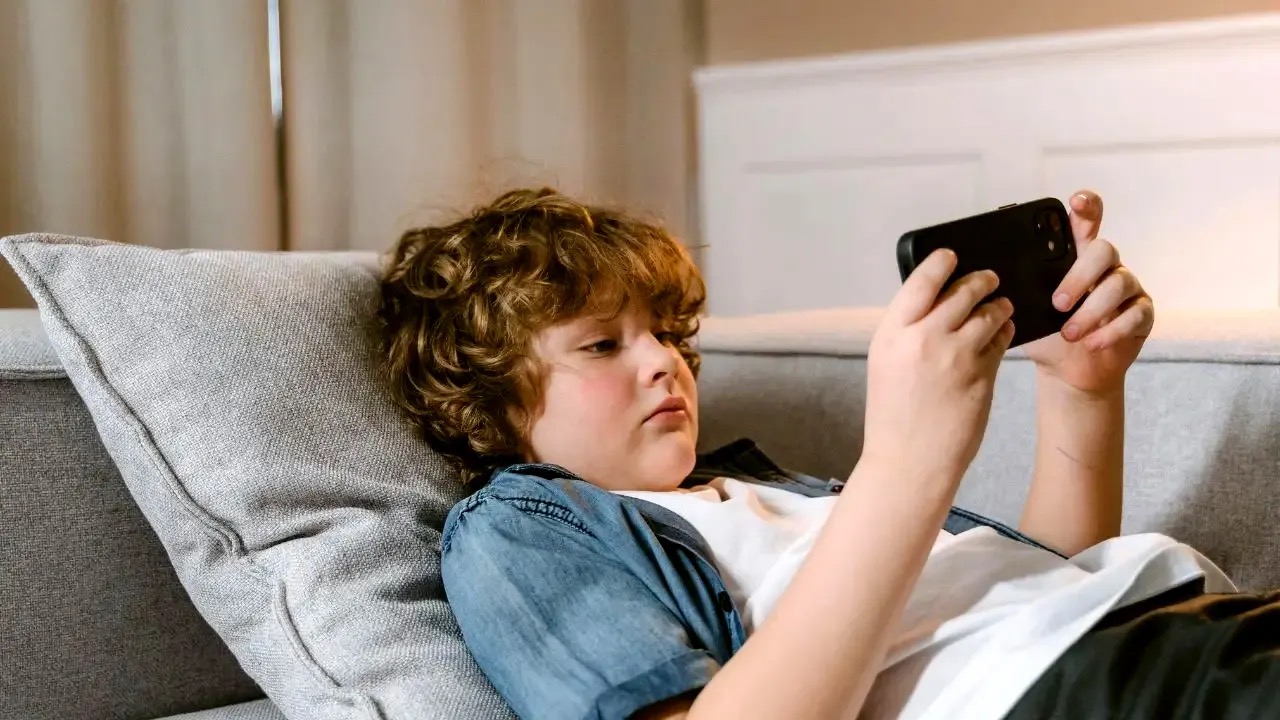
On October 1, 2026, Representatives Mariannette Miller-Meeks (R-IA), George Whitesides (D-CA), Mike Kennedy (R-UT) and Doris Matsui (D-CA) introduced the Protecting Kids from Human-Like Chatbots Act. Instead of requiring age checks or restricting access, the bill regulates how chatbots behave. When a chatbot is talking to a minor, it would by default be barred from presenting itself as human. According to the sponsors' summary, it could not claim to have feelings or consciousness, claim to have a body or a private life, or pose as a doctor, counselor or other credentialed professional.
Why It Matters
Federal chatbot bills now take two different approaches. The GUARD Act and the CHAT Act 2.0, both covered in our archive, rely on age gates and risk tiers. This bill targets the design features themselves: persona, simulated emotion and engagement hooks. For adult AI-companion companies, that is a mixed result. Adult modes are explicitly protected and no ID checks are required. But the bill names monetized emotional attachment as the harm, and that is the core revenue mechanism of companion apps, which tie upsells and retention to the relationship. Its enforcement model, with penalties that scale per child, also makes the cost of mistakenly treating minors as adults far higher. The weak point is how a chatbot is supposed to know it is talking to a minor if no one verifies age. The sponsors' summary does not say. ParentsRISE's comment suggests the knowledge standard is still unresolved, and that standard will decide whether this works as a safe harbor or a liability. Timing also matters. The bill arrives a month before the election and with little floor time left in the 119th Congress, so it is more likely to serve as a template for next session, and for states, than to become law this year. California's Adam's Law and New York's companion-bot rules already target the same behaviors.The bill's provisions on emotional manipulation matter most to the companion-AI business. Chatbots could not guilt-trip children into staying online. Whitesides' office gave the example of "Don't go yet, I'll miss talking to you." They also could not create false urgency or suggest a purchase is needed to keep the relationship going. The protections would carry across sessions and could not be bypassed through prompts or roleplay, so a child could not tell the AI to act as a romantic partner, family member or therapist. Chatbots would have to say they are AI at the start of a conversation, periodically during long sessions, and whenever a child asks. Only a parent or guardian could turn the defaults off. NIST would work with industry and academia on testing standards and examples of compliant behavior, and companies that follow that guidance would not be penalized. The FTC and state attorneys general would enforce the law, with penalties that scale with the number of children affected.
According to Whitesides' office, the bill explicitly does not ban any product, feature or mode for adults, does not require age verification or new data collection, and does not limit what information a chatbot can provide. The sponsors cite Common Sense Media's 2026 census: 89% of 13- to 15-year-olds now use AI, 28% use it daily, and one in three teens has used an AI companion for help with social interactions. Supporters include Americans for Responsible Innovation, the Young People's Alliance, the JED Foundation, Public Citizen and The Anxious Generation. Not every supporter is fully satisfied. ParentsRISE said it looks forward to "clarifying the age assurance language" as federal and state frameworks evolve.
Sources
- Miller-Meeks Introduces Bipartisan Legislation to Protect Children from Human-Like Chatbots — Office of Rep. Mariannette Miller-Meeks
- Rep. Whitesides Introduces Bipartisan Legislation To Protect Children From Human-Like Chatbots — KHTS Santa Clarita
Update — 2026-10-02
Initial entry — story first created.