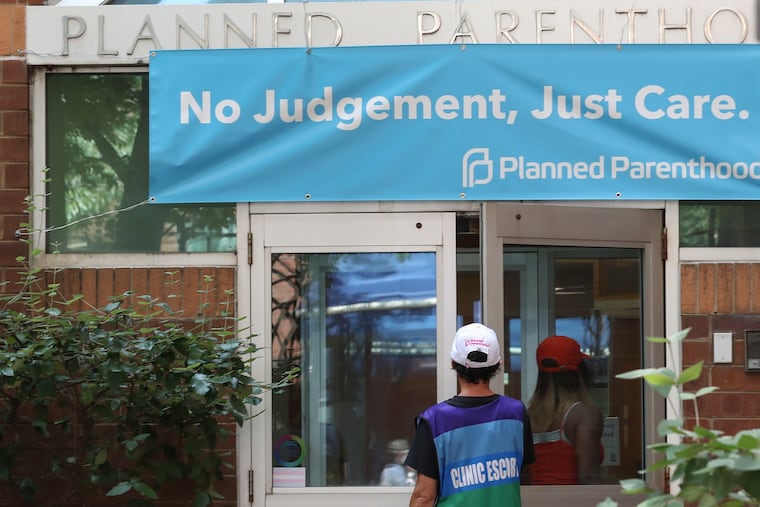
On September 17, 2026, the Philadelphia Inquirer reported that Planned Parenthood affiliates across the Philadelphia region are now offering menopause and perimenopause care including hormone replacement therapy, and will begin providing vasectomies next year — a deliberate service-mix expansion driven by the funding shock the organization absorbed over the past year. Planned Parenthood Keystone began offering menopause and perimenopause care at clinics in Allentown, Bensalem, Harrisburg, Lancaster, Reading, Wilkes-Barre and York earlier in September, with vasectomies planned for Allentown next year.
Why It Matters
Planned Parenthood operates roughly 600 health centers nationally and is, outside of abortion, one of the largest providers of STI testing, contraception and routine sexual health care in the country — often in communities where patients are uninsured or on public coverage. When that network adds menopause hormone therapy and vasectomies, it materially changes the access map for two services that have been bottlenecked by specialist scarcity. A one-week appointment window for HRT, at scale, is a genuine competitive event for the menopause telehealth companies — Evernow, Midi, Gennev and the DTC hormone players — whose core value proposition has been precisely that they are faster to reach than a gynecologist. It also lands in the middle of the most active policy month menopause has had. The Senate Special Committee on Aging held Congress's first-ever menopause hearing on September 16, where witnesses cited estradiol patch shortages and insurance denials, and the FDA held a public workshop on testosterone use in menopausal women on September 17. The supply side is now visibly reorganizing around midlife women's health while the regulatory framework for the drugs involved is still being argued over. The uncomfortable read is the funding mechanism. A safety-net provider cross-subsidizing STI testing and cervical cancer screening with cosmetic injectables and cash-pay hormone therapy is a workaround, not a solution — and it means the availability of basic sexual health services is now partly contingent on discretionary-spending demand for Botox. If further Medicaid restrictions arrive after the midterms, expect more affiliates to follow the same playbook, and expect the service mix at America's largest sexual health network to keep drifting toward whatever patients will pay for directly.The demand signal is real and measurable. New patients accounted for nearly a third of the 350 patients who came to Planned Parenthood Southeastern Pennsylvania clinics for menopause treatment last year, when the service first rolled out. Dayle Steinberg, CEO of the Southeastern Pennsylvania affiliate — which operates in Chester, Delaware, Montgomery and Philadelphia Counties — attributes the uptake partly to access: patients can typically get an appointment within a week, against the long waitlists that have become standard at menopause specialists. "When we look at ways to be resilient, looking at service opportunities that speak to people of a variety of ages, sexual orientation and gender is going to be vital," said Melissa Reed, CEO of the Keystone affiliate.
The financial context is explicit in the reporting. The two Philadelphia-area affiliates estimated they would lose roughly $3 million in revenue when 2025 federal legislation barred the organization from billing Medicaid; Keystone temporarily stopped accepting Medicaid patients, and the Southeastern Pennsylvania affiliate covered the gap through fundraising while acknowledging it was unsustainable. Medicaid billing resumed in July 2026 when the provision expired, but conservatives have signaled they will pursue further cuts after the fall midterms. The strategic logic is to add services that attract patients who pay out-of-pocket or with private insurance.
The same pressure produced a more surprising pivot elsewhere. On September 19, CBS News Sacramento reported that Planned Parenthood Mar Monte — the largest affiliate in the country, serving Northern California, the Central Valley and all of Nevada — launched aesthetics services in Sacramento more than six months ago, offering Botox and other neurotoxin injections, fillers, and spider and varicose vein treatment. Dr. Laura Dalton, who proposed the program, told CBS that Botox is priced at $9 per unit against an industry average of $14 to $16, and described the revenue as helping "bridge that gap to subsidize those other critical services." Mar Monte closed five health centers and sunset its primary care and prenatal programs during the funding gap, and is also adding specialized menopause and hormone therapy care.
Sources
- Planned Parenthood clinics now offering hormone replacement therapy, menopause care — The Philadelphia Inquirer
- Injecting new revenue: Planned Parenthood turns to botox to fill funding gap — CBS News Sacramento
Update — 2026-09-22
Initial entry — story first created.