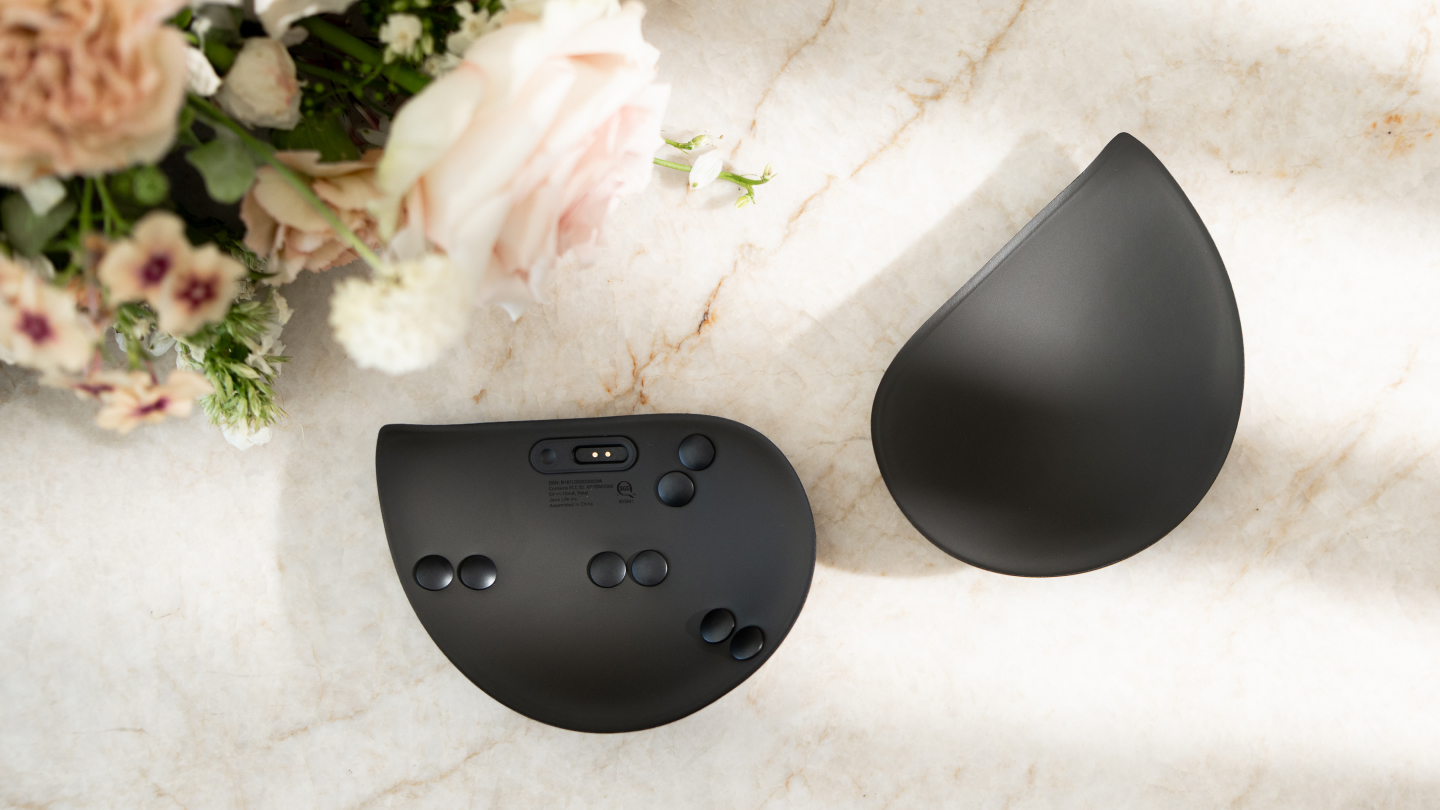
On September 9, 2026 San Francisco company Petal announced its bra-insert wearable is shipping across the US, introducing a form factor that sits in the bra rather than on the wrist or finger. The one-size soft insert combines ECG and bioimpedance sensing to track activity, mobility and balance, heart rate, and — the differentiator the company leads with — visceral fat, a body composition metric most consumer wearables do not attempt.
Why It Matters
The wearables market has an acknowledged design debt: the reference physiology for most consumer devices is male, and the correction so far has mostly meant bolting a cycle-tracking module onto an existing wrist or ring platform. Petal is arguing something more structural — that placement itself encodes the bias, and that the female "anatomical core" gives access to signals the wrist cannot reach. Whether that holds up is an empirical question the company will have to answer with published data, but the framing is a genuine departure. The timing is what makes it strategically interesting. Oura filed its S-1 on September 3 disclosing that women are 72% of its paid members and detailing an expansion into fertility, pregnancy, postpartum and menopause — the clearest signal yet that women's health is the commercial center of gravity in wearables, not a segment. A women's-physiology-first device entering the market in the same fortnight as the category leader's IPO filing is not a coincidence; it is a competitor betting that "designed for women from the start" beats "retrofitted for women." Two caveats for anyone doing diligence. The visceral fat and hydration claims are the product's whole differentiation and, as of launch, rest on company-held data rather than peer-reviewed validation — the pattern the UCL menopause supplement audit and the All of Us EHR study both flagged as this sector's recurring weakness. And the clinical ambitions around cardiac anomaly and breast cancer detection would require regulatory clearance the company has not claimed. Judge it for now on what it ships: a low-RF, non-connected chest sensor with an unusual metric set.The positioning argument is anatomical. Petal says chest placement yields stronger cardiac signals than wrist or finger devices and better accounts for female physiology, and that its algorithms and AI are developed solely on women's data drawn from published research and the company's own clinical studies. "For too long, women have been using technology built on male-derived baselines, and that disparity continues to be vast," said founder and CEO Anand Janefalkar, who has attributed the company's origin to losing a loved one to breast cancer young. "Health tech shouldn't be about metric maxxing. It should be built for women from the start."
On the obvious concern — putting an electronic device against breast tissue all day — Petal says it limits wireless energy exposure by capturing biometrics in short bursts rather than continuously, and avoids Wi-Fi and cellular connectivity entirely. Femtech Insider, covering the launch, flagged the concern and noted the company's response. The company is also developing a hydration-tracking feature that reads changes in breast tissue composition, which it says could support future cycle-related insights.
Petal's stated longer-term ambition runs into clinical territory: early detection of cardiac anomalies and breast cancer using longitudinal data. That is a substantially different regulatory proposition than a consumer wellness tracker, and the company frames it as future development rather than current capability. The device is sold direct at petal.today. Femtech Insider noted Petal is not alone in the form factor, citing Braave as readying a comparable bra-style wearable.
Sources
- Petal Launches Bra-insert Women's Health Wearable — Femtech Insider
- Petal Now Shipping Its Wearable Built Specifically for Women's Physiology — Fitt Insider
Update — 2026-09-14
{Initial entry — story first created.}