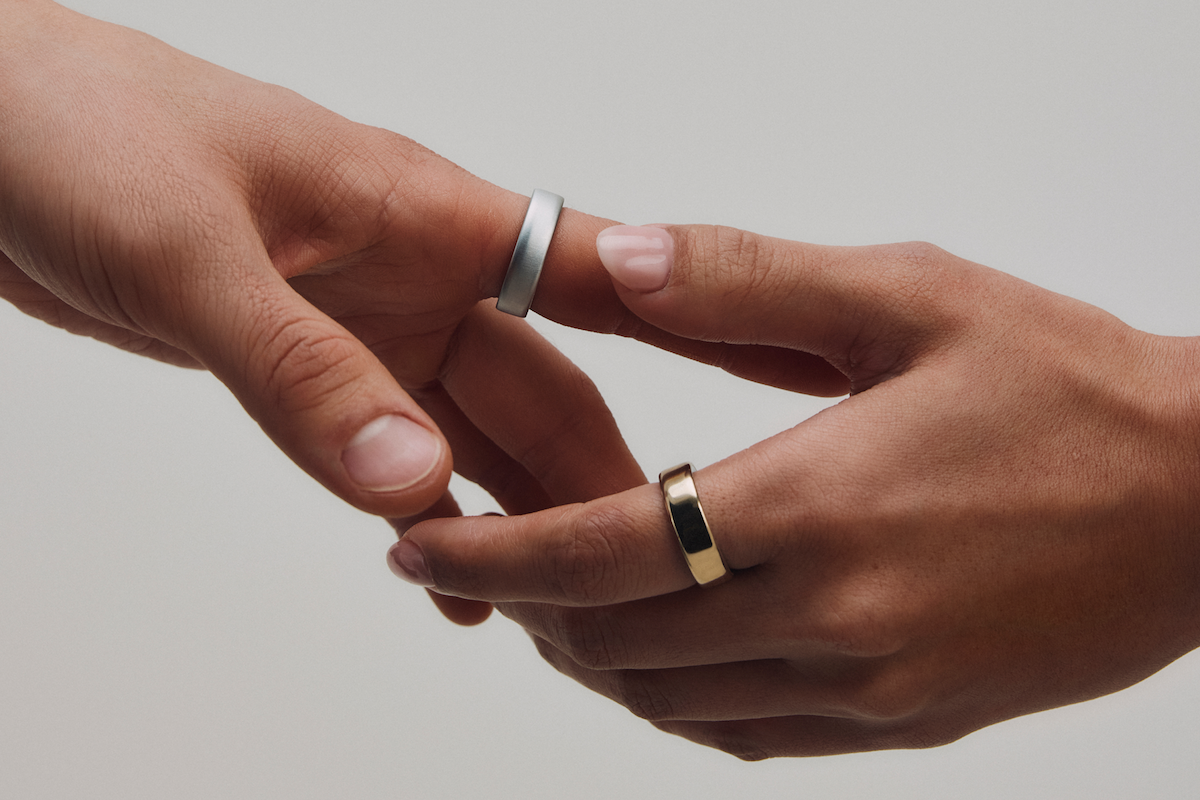
Reported on August 12, 2026, smart-ring maker Oura is seeking to patent a pulse-wave-velocity (PWV) system designed to detect pregnancy complications earlier — the latest step in the company's steady expansion from sleep and recovery tracking into a full women's-health platform. The filing was surfaced by wearables outlet Wareable; Oura declined to comment on it.
Why It Matters
Maternal health is a stark gap in the U.S. healthcare system, with preeclampsia and gestational hypertension among the leading drivers of maternal morbidity — and prenatal monitoring still largely confined to intermittent clinic visits. A consumer wearable that could surface early warning signals continuously would be a significant clinical and commercial opening, though the regulatory bar for pregnancy-complication claims is high and would likely require FDA engagement. Strategically, the move deepens Oura's shift from a lifestyle-tracker to a longitudinal women's-health data company, sharpening competition with Apple, Ultrahuman, and femtech-native hardware players — and reinforces a 2026 theme of hardware makers racing to own hormone- and pregnancy-related biometrics.The proposed system would continuously track blood pressure and arterial stiffness, flagging abnormal changes that could signal hypertension, preeclampsia, and gestational diabetes — conditions where early detection meaningfully changes outcomes. Rather than a spot reading, the approach leans on Oura's core strength: longitudinal, always-on biometrics from a device users already wear overnight.
The patent is consistent with Oura's broader women's-health push. The company has expanded from cycle tracking into fertility, pregnancy, and perimenopause/menopause features, and integrates with platforms including Natural Cycles, Oova, and Clue to enrich its insights. Earlier in 2026 Oura debuted a women's-health AI model spanning life stages from menstruation to menopause. The filing also follows a published study of more than 10,000 pregnant women who wore Gen 3 Oura rings, assessing whether continuous monitoring could improve maternal-fetal outcomes.
Sources
- Oura Seeks Patent To Detect Pregnancy Complications (FemTech Insider)
- Oura could soon identify dangerous pregnancy complications early (Wareable)
Update — 2026-08-16
Initial entry — story first created.