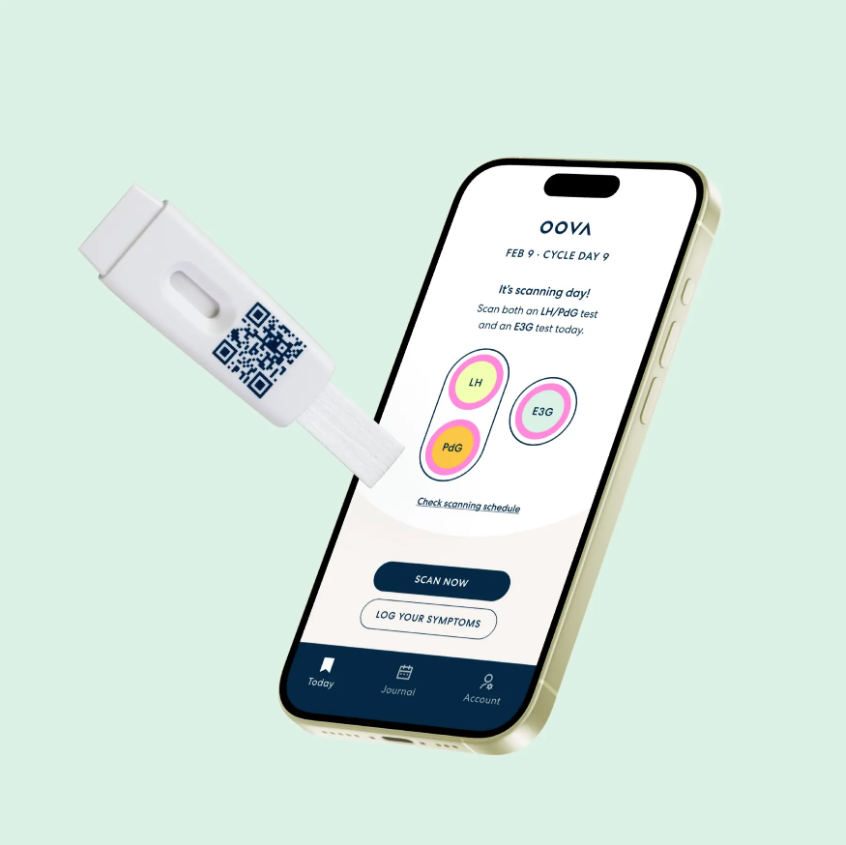
In early July 2026 (reported by Femtech Insider on July 8), hormone-intelligence platform Oova launched an integration with Oura that pulls sleep and recovery data from the Oura Ring directly into the Oova app, alongside a user's daily hormone patterns and symptom tracking. The pitch is to put three previously siloed data streams — measured hormone levels, wearable-derived sleep/readiness/recovery scores, and self-reported symptoms — onto a single timeline so women can see how hormonal shifts correlate with changes in sleep quality, mood, and recovery over time.
Why It Matters
The femtech data race is shifting from "collect more signals" to "connect the signals you already have." Oova's tie-up with Oura is an early example of hormone-measurement platforms partnering with mainstream wearables rather than trying to out-build them on hardware — a smart, capital-efficient path in a sector that has watched hardware-heavy players like Elvie stumble. It also lands amid a broader wave of continuous- and quantified-hormone plays (Muun Health, Clair Health and others chasing continuous monitoring), underscoring that hormone data — for fertility, perimenopause, and general wellbeing — is becoming the contested high ground in women's health tech. For investors, integrations like this hint at where value accrues: the platform that can correlate and interpret multi-source data, not just the sensor that generates one stream.Oova's differentiator is that it measures actual hormone concentrations (its at-home tests quantify hormones from urine, read via the app) rather than estimating cycle phase from temperature or heart-rate proxies the way most wearables do. Founder and CEO Dr. Amy Divaraniya framed the integration around closing an interpretation gap: "Wearables have become remarkably good at telling women what happened. But most women are still left wondering why. By bringing hormone data, symptom tracking, and wearable insights together, we're helping women understand the biological patterns behind how they feel."
The launch builds on Oova's clinical footprint — the company points to research presented at the American College of Obstetricians and Gynecologists (ACOG) annual meeting and published in the journal Obstetrics & Gynecology. Pairing a quantified-hormone platform with the market-leading smart ring is a notable interoperability move in a femtech landscape where most apps guard their data inside walled gardens.
Sources
- Oova Integrates with Oura to Connect Hormone Data, Sleep, and Symptom Tracking — Femtech Insider
- Oova — official site
Update — 2026-07-11
Initial entry — story first created.