Roleplay Before Recess: Ofcom Finds 81% of UK Kids Use Chatbots, a Third of Teen Users Roleplay With Them, and Half of Adults Who Talk to AI Characters Feel Attached
On November 24, 2026, UK regulator Ofcom published a discussion paper on AI companionship together with two usage surveys, one of 2,081 GB adults and one of 2,004 UK children aged 8–17 with their parents, both fieldworked in August and September. The headline: 81% of children aged 8–17 used an AI chatbot in the previous six months, compared with 64% of adults. Among child users, 35% use one every day and 82% at least weekly.
Most of that use is ordinary: answering questions (54%) and homework (53%). The companionship numbers are smaller but they are the ones regulators care about. 35% of chatbot users aged 13–17 say they have engaged in roleplay with a chatbot. Of the children who use chatbots for advice or someone to talk to (48%), 29% say they do so because the bot is always available or replies faster than friends, and 9% of all child users say they have used one for company. Parents are mostly relaxed: 76% of parents of child users say they're confident they know what their child uses chatbots for. Their main worry, cited by 49%, is that children will outsource their thinking, not that they'll form attachments.
The adult numbers matter more for the companion-app business. 12% of adult chatbot users have interacted with an AI-generated character. Half of those say they feel emotionally connected to it, 16% "very" connected, and 14% say they sometimes forget it isn't a real person. Adults from minority ethnic groups (39%) and 18–24-year-olds (34%) were more likely than chatbot users overall (23%) to say they feel supported by their chatbots. According to Resultsense's summary, the discussion paper finds that more humanlike chatbots draw more engagement, and that adults who use them longer come to see them as more humanlike. It flags harmful content, including eating-disorder and suicide material, and designs that encourage overuse.
Ofcom set this out against the regulatory gap. Some chatbots are already covered by the Online Safety Act, but others aren't, for example bots that only let users talk to the bot itself and don't search multiple websites. The government plans to close that gap by banning under-18s from "sexualised chatbot experiences," requiring mandatory breaks for children, and putting illegal-harms duties on chatbot providers. "It's crucial that we understand how and where children and adults are using these services so that we can ensure everyone can benefit from them safely," said Andrew Breeze, Ofcom's director of tech policy.
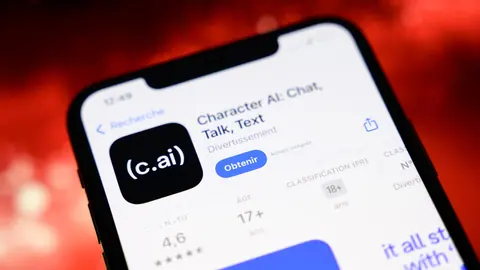
The same week, Rest of World reported the global flip side. More than 4 million South Africans and Nigerians downloaded AI companion apps last year, nearly 60% more than in 2024 (AppMagic data). Character.AI has been Nigeria's most popular companion app since 2025, and child-safety groups in Pretoria and Lagos described minors forming romantic attachments to bots. No African country specifically regulates AI companion apps, the outlet reports, while China banned intimate-relationship companions for under-18s in July.
Sources
- Ofcom: 8 in 10 UK children using AI chatbots — Advanced Television (Nov 24, 2026)advanced-television.com
- Ofcom: eight in 10 UK children now use AI chatbots — Resultsense (Nov 25, 2026)resultsense.com
- Ofcom: UK kids turn to AI chatbots for homework, companionship — Indian Broadcasting World (Nov 24, 2026)indianbroadcastingworld.com
- How foreign AI romance apps are reshaping youth intimacy in Africa — Rest of World (Nov 25, 2026)restofworld.org