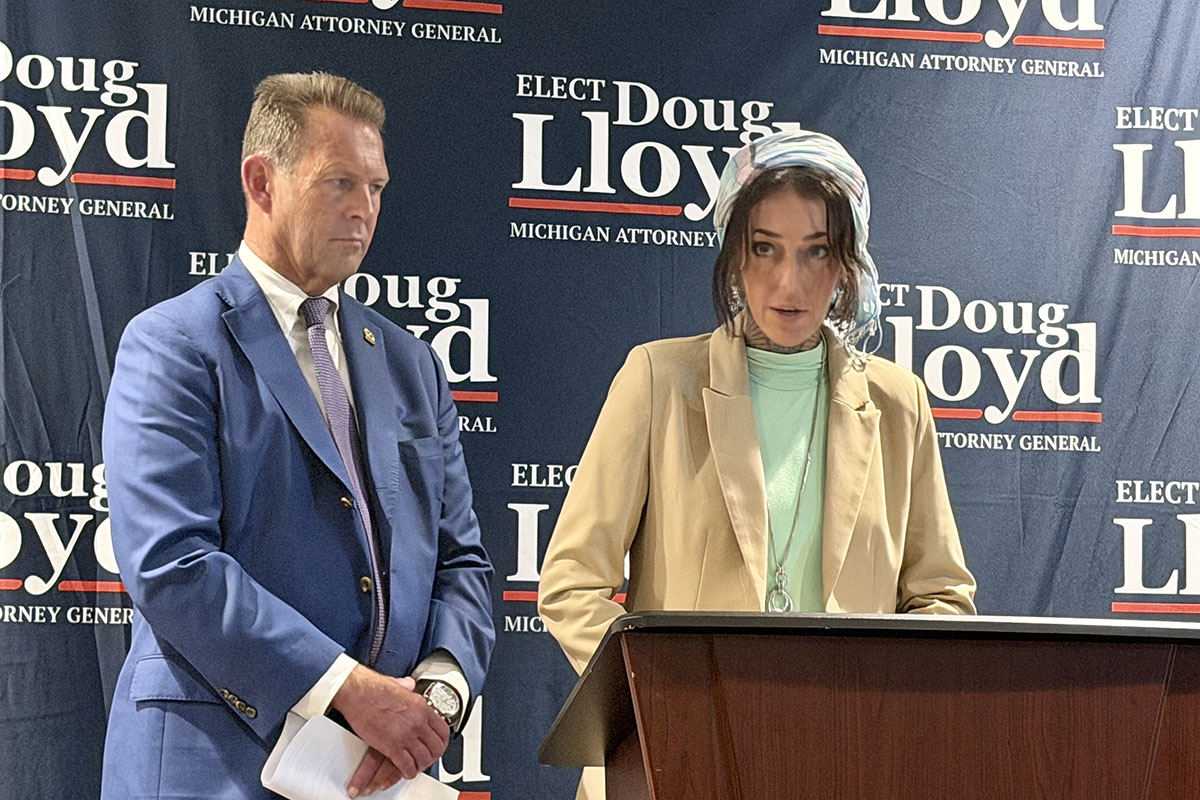
On October 1, 2026, Republican Michigan attorney general candidate Doug Lloyd, the Eaton County prosecutor, held a Lansing press conference with four human-trafficking survivors. He used it to attack his Democratic opponent, Washtenaw County Prosecutor Eli Savit, over Savit's 2021 policy of no longer charging adults for consensual sex work. "His stance on legalizing prostitution is foolish and dangerous. It is the perspective of a social engineer, not a prosecutor," Lloyd said, according to Bridge Michigan, adding that the policy "ignores the realities of the sex trade." Savit and Lloyd meet in the November 3 general election to replace term-limited AG Dana Nessel.
Why It Matters
Decriminalization has mostly advanced in the US through prosecutorial discretion, not legislation: Savit in Washtenaw, and non-prosecution policies in parts of New York and Baltimore. That makes the issue unusually exposed to elections. A statewide AG race in which it is a leading attack line will show whether the policy is a liability in a swing state. For online sex workers and adult creators, state AGs matter beyond street-level enforcement. AGs bring age-verification and consumer-protection cases against platforms, coordinate multistate actions against payment processors and ad networks, and decide how hard to push trafficking statutes against websites. The two candidates are also closer than the rhetoric suggests. Vacating trafficking victims' records while increasing penalties for buyers is the "Nordic model" compromise, and both candidates back it. However the race goes, Michigan is more likely to move toward buyer-focused enforcement than full decriminalization. That is the same direction France is heading with its proposed ban on paying for remote sexual services, which we covered last month.Under Savit's policy, Washtenaw County still prosecutes trafficking and crimes such as rape or abuse committed while buying sex, and his office supports misdemeanor charges against buyers when warranted, Michigan Public reported. Savit says the policy follows research and guidance from groups including the ACLU and Human Rights Campaign, and that it is meant to keep people who may have been coerced into the trade out of the criminal system. He has said he would not take it statewide without a change in Michigan law. Leyna Luttrull of the Michigan Anti-Trafficking Project called the policy "empty and spineless" and argued that buying sex "fuels supply and demand." Lloyd's campaign cited a 2012 cross-country study linking legal prostitution to higher reported trafficking inflows. Bridge noted that the study's methodology has been challenged and recently described by one expert as "flawed."
The two sides do agree on something. Lloyd, Savit and the survivors at the event all support pending House and Senate bill packages that would raise penalties for traffickers and buyers while letting trafficking victims expunge crimes they committed while being trafficked. Luttrull described these as "partial decriminalization of the victims." Both packages are stalled in the state House Judiciary Committee. Savit's campaign spokesperson, Naina Agrawal-Hardin, said Savit has "secured trafficking convictions, put predators behind bars, and prioritized supporting victims over prosecuting them."
Sources
- Doug Lloyd blasts Eli Savit's 'dangerous' sex work policy in Michigan AG race — Bridge Michigan
- GOP attorney general candidate attacks Democratic rival over sex work policy — Michigan Public (MPRN)
Update — 2026-10-03
Initial entry — story first created.