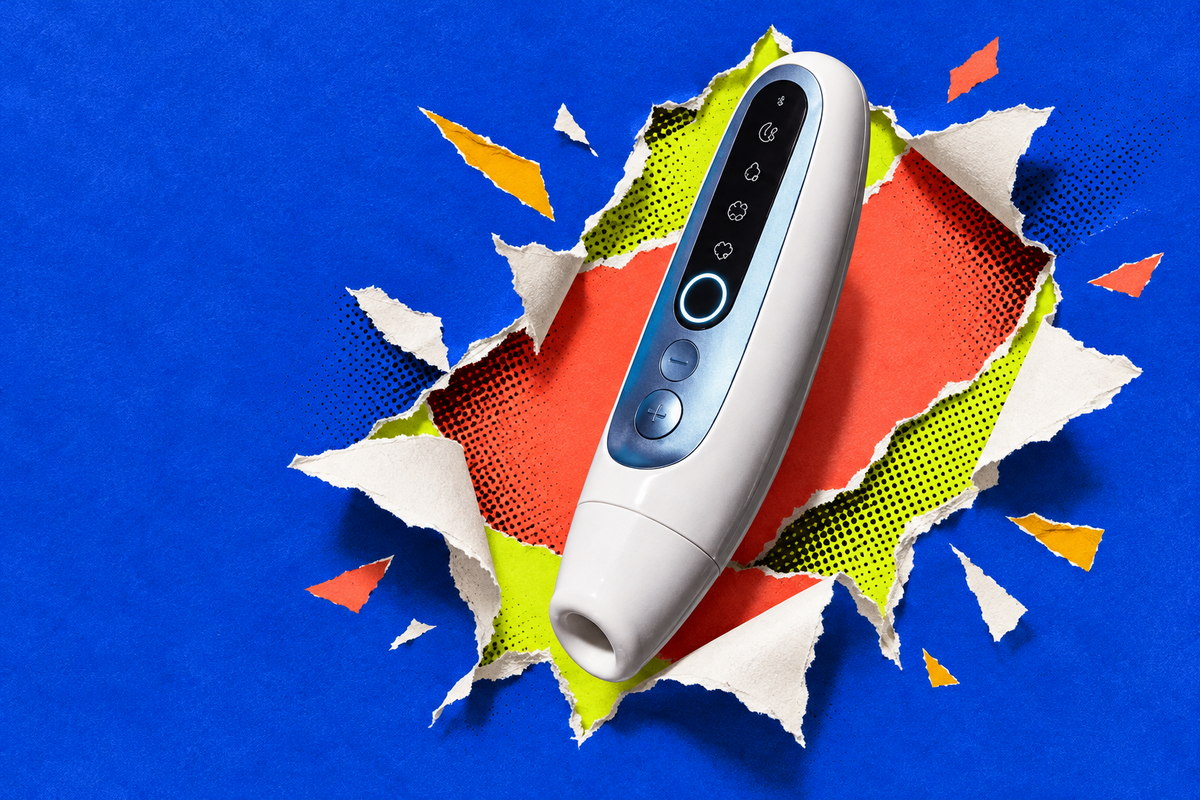
On October 15, 2026, Lovehoney Group launched SheHerMe, a separate women's-health brand built around menopause, with a single debut product: MenoPulse, a clitoral air-pulse device sold as a hormone-free menopause wellbeing tool. It costs £59.99 and is available in more than 250 Boots stores in the UK and online at Lovehoney (The Capturist; Longevity.Technology). MenoPulse runs on Lovehoney's existing Air-Pulse technology. Instead of the usual intensity settings it offers four named modes, Sleep, Moisture, Relax and Well-being, and a companion app will track symptoms and give personalised recommendations. The product carries the GenM "MTick," a menopause-relevance mark, and SheHerMe says more products will follow in 2027.
Why It Matters
This is the clearest attempt yet by a mass-market pleasure company to **reclassify a sex toy as a health product**. That affects shelf placement, pricing power and the size of the market. SheHerMe moves a pleasure device out of the "sexual wellness" category and into menopause care, under a brand separate from the Lovehoney name. A credible version gives Lovehoney access to the menopause economy, which The Conversation this week put at about **$600B** and called "a lucrative consumer business." The "menomarket" critique it cites, that brands help define which menopausal problems need buying solutions, is the reputational risk. The commercial question is whether SheHerMe funds controlled trials before rivals copy the positioning. Womanizer, Satisfyer and LELO all have air-pulse or similar products and could relabel them for midlife within a quarter. The regulatory question is how far the four "support modes" can go before UK advertising rules, or the MHRA, treat them as medical claims. For investors, the useful signal is the **Boots placement plus a separate brand**: a template for moving pleasure hardware into regulated-adjacent retail without the adult-store stigma.The evidence comes from research Lovehoney ran with the Kinsey Institute. In a user study of 66 women aged 40–75, 92.9% reported improvement in at least one menopause symptom after four weeks of use. Symptom levels were reportedly lowest during periods of regular sexual activity, especially when orgasm occurred, and the research also points to increased vagal tone, a marker of parasympathetic "rest-and-digest" activity. Before launch, Mama Glow's announcement of its inaugural Emergence menopause symposium listed a "Menopulse / SheHerMe by Lovehoney Discovery Room" and a Lovehoney panel on sexual wellness in midlife.
The independent assessment is cautious. In its October 15 review, Longevity.Technology says the 92.9% figure is a low bar: there are more than 34 recognised menopause symptoms, so improvement in any one is easy to find, and without a comparison group the device's effect can't be separated from four weeks of paying attention to one's own body. The launch materials do not say whether the study was controlled, which symptoms improved most, or whether the gains lasted after use stopped. The outlet adds that the Moisture mode has physiology on its side in the moment, because arousal increases lubrication. Better vagal tone, however, will not restore vaginal tissue thinned by falling estrogen, and night-sweat-driven insomnia is "harder still." Its verdict: "A change of aisle is not, in itself, clinical validation."
The launch landed on the same day ACOG published its most comprehensive menopause guidance to date. That guidance strongly recommends hormone therapy for hot flashes and sleep disruption and puts genitourinary-syndrome guidance off until 2027 (see Section D). The result is a mainstream pharmacy selling a pleasure device as menopause care, in a week when the clinical establishment is moving firmly toward hormones.
Sources
- Lovehoney Group launches SheHerMe, a new science-led menopause brand — The Capturist (Oct 15, 2026)
- Can sexual stimulation help menopause symptoms? — Longevity.Technology (Oct 15, 2026)
- Mama Glow Brings Menopause into The Spotlight With Inaugural Emergence Symposium — PR Newswire
- Menopause is a biological transition that's become a lucrative consumer business — The Conversation (Oct 15, 2026)
Update — 2026-10-16
Initial entry — story first created.