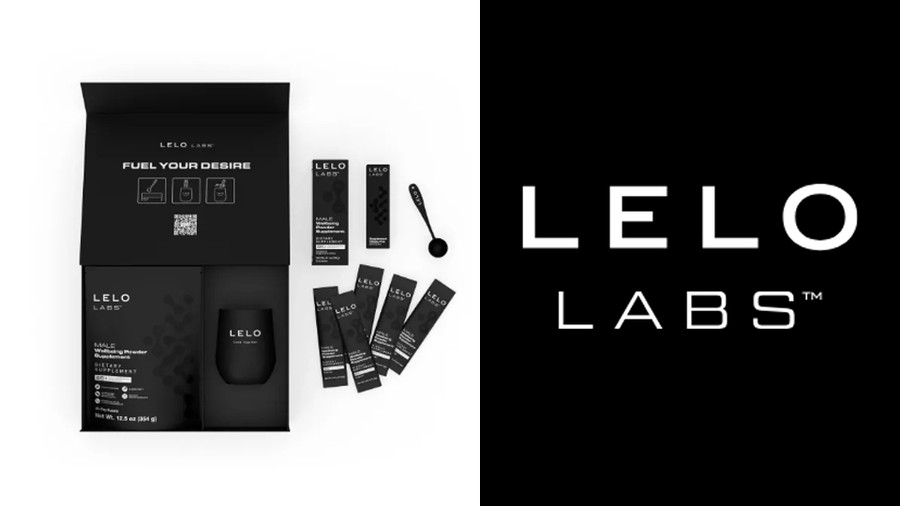
On June 16, 2026, luxury pleasure-device maker LELO introduced LELO Labs, a line of sexual-wellness supplements that marks the Swedish-founded brand's first move beyond hardware into ingestible "performance enhancers." The launch positions the 20-year-old company — best known for premium vibrators and the AI-driven F1S masturbator — as a holistic wellness brand rather than a pure device manufacturer.
Why It Matters
Supplements give a device brand something vibrators never will: repeat, subscription-friendly revenue. LELO's entry validates the consumables land-grab reshaping sextech economics, where margins increasingly come from things customers re-buy monthly. But it also walks into a fraught regulatory zone — libido and "male enhancement" supplements draw persistent FTC scrutiny over efficacy claims and recurring FDA recalls over products spiked with hidden ED drugs. A premium brand with LELO's reputation lends mainstream legitimacy to a category long associated with gas-station pills, but the claims and ingredient transparency will be watched closely.LELO Labs debuts with two gender-targeted supplement kits. The male kit contains Enostim, L-citrulline, L-arginine, ashwagandha, and ginseng — a blend leaning on amino acids associated with nitric-oxide/blood-flow pathways plus adaptogens. The female kit pairs maca root powder, shatavari extract, fenugreek extract, and ginseng, ingredients commonly marketed for libido and hormonal support. "As conversations around sexual wellness continue to evolve beyond the bedroom, LELO Labs marks the next evolution of the brand, expanding beyond external pleasure products into holistic wellness solutions that support how you feel — not just what you do," a company representative said, framing the daily supplements as fitting into "modern self-care routines."
The move follows a broader 2026 pattern of pleasure-device and intimacy brands extending into consumables and skincare — from System JO's Vitalize intimate-care line to Hims & Hers' sexual-health verticals — chasing recurring revenue that one-time hardware purchases can't deliver.
Sources
Update — 2026-06-25
Initial entry — story first created.