On September 15, 2026, the Kirby Institute at UNSW Sydney released Australia's annual sexual health surveillance data at the joint Australasian HIV&AIDS and Sexual and Reproductive Health Conferences in Melbourne, reporting 5,986 syphilis diagnoses, 42,393 gonorrhoea diagnoses and 94,184 chlamydia diagnoses for 2025. Syphilis and gonorrhoea diagnosis rates have each risen by more than 50% over the past decade. Chlamydia has fluctuated and declined slightly over the past year but remains the country's most commonly notified sexually transmissible infection.
Why It Matters
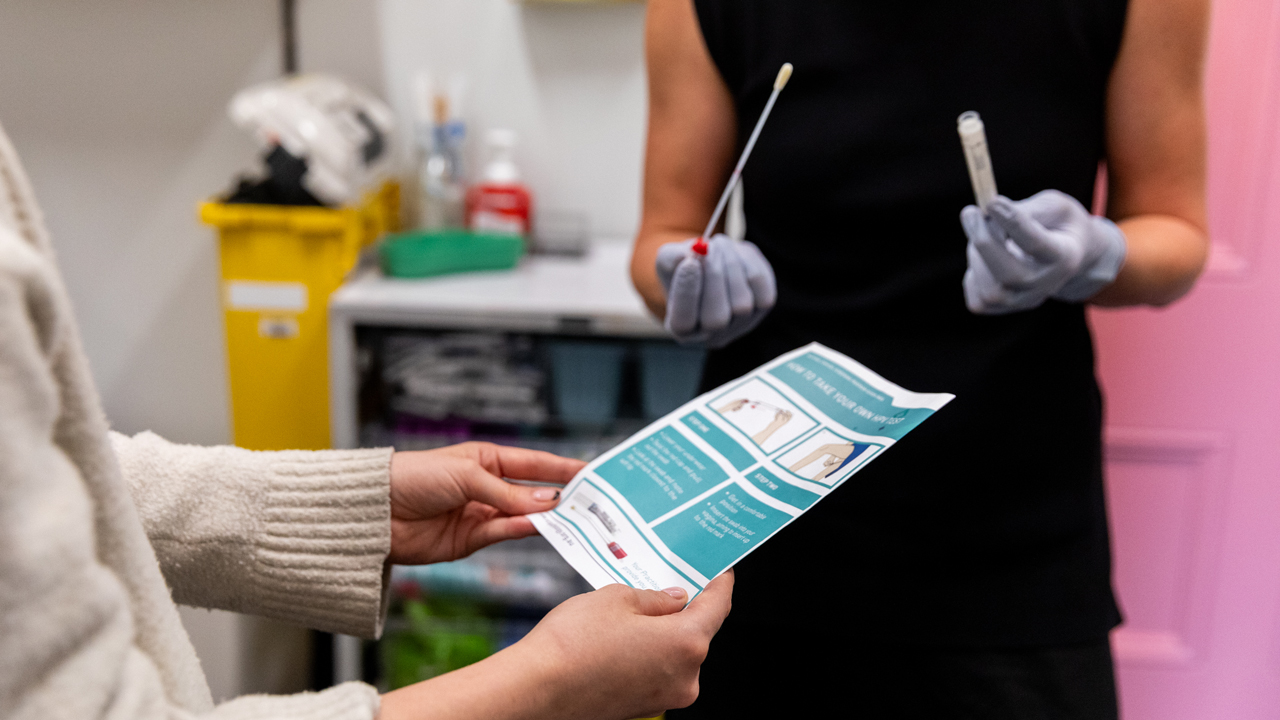
Read together, the two reports are a natural experiment in what actually works, and the answer is uncomfortable for anyone selling a consumer product as a public health solution. HIV declined because Australia built accessible, affordable, community-designed prevention infrastructure — PrEP access, harm reduction, targeted testing. STIs rose over the same decade because that infrastructure was never extended to them at the same intensity. The variable is distribution and cultural safety, not technology. That is directly actionable for the at-home testing sector. The market thesis behind mail-order STI kits, telehealth sexual health platforms and point-of-care molecular devices is precisely the gap Kirby is documenting: asymptomatic infection, delayed diagnosis, and populations that do not present at clinics. But Kirby's own evidence points at *clinician-connected, community-led* point-of-care testing as the intervention with demonstrated outcomes — not direct-to-consumer kits sold to people who were already going to get tested. Afterglow has covered both ends of this: Australia suspended its only home chlamydia and gonorrhoea self-test earlier this year over accuracy concerns, and the stronger results keep coming from programs embedded in trusted local services. Vendors pitching sexual-health diagnostics to Australian health systems should expect the procurement conversation to be about integration and cultural governance, and should expect the six-times-higher syphilis rate among First Nations peoples to be the metric they are measured against. There is also a market-sizing signal here that runs counter to the destigmatisation narrative. A decade of rising syphilis and gonorrhoea in a wealthy country with universal healthcare and world-leading HIV outcomes indicates the sexual health services market is not saturated — it is underserved in ways that have nothing to do with consumer willingness to buy.The framing from the report's lead is deliberately unsensational and commercially relevant. "These data are an important reminder that sexually transmissible infections remain a public health issue in Australia," said Dr Skye McGregor, a Kirby Institute epidemiologist. "The rise in syphilis and gonorrhoea tells us we need to ensure testing and treatment are easy to access and prevention efforts reach the people and communities most affected." She added that many STIs have no symptoms but are easily detected and treated, and pointed to regular testing and early treatment as the practical intervention — a diagnosis of a distribution problem, not a behaviour problem.
The inequity data is the sharpest part of the release. Compared with non-Indigenous Australians, First Nations peoples are diagnosed with chlamydia at more than 2.5 times the rate, gonorrhoea at more than four times the rate, and syphilis at more than six times the rate. Robert Monaghan, who manages the Yandamanjang First Nations Health Research Program at the Kirby Institute, called the gap "deeply concerning" and widening in some areas: "These are not simply statistics. They reflect ongoing inequities in access to culturally safe, trusted and appropriate sexual health services."
What makes this more than a surveillance footnote for the diagnostics industry is the evidence attached to it. Kirby's modelling indicates that First Nations-focused point-of-care testing programs can more than double the proportion of people treated and cured of an STI within two days. Since launching in 2013, the First Nations Molecular Point-of-Care Testing Program is estimated to have reduced both pelvic inflammatory disease risk and preterm births among First Nations women in the communities where it operates. Chlamydia's 94,184 cases showed similar diagnosis rates among men and women, which the institute reads as transmission across a broad range of sexual networks rather than concentration in one population.
Released the same day, Kirby's HIV data ran the other direction: 753 HIV diagnoses in 2025, stable over three years and down a quarter from 1,006 in 2016 — about a one-third decline in population-adjusted rate, from roughly 4 per 100,000 Australians to closer to 3. Preliminary estimates show Australia hit the UNAIDS 95-95-95 targets in 2025 (95% of people living with HIV diagnosed, 95% of those on treatment, 95% virally suppressed). Sex between gay and bisexual men accounted for 484 diagnoses (64%), heterosexual sex for 194 (26%), and injection drug use for 19 (3%); just over half of gay and bisexual men diagnosed in 2025 were born overseas. HIV remains low among sex workers and people who inject drugs, which Kirby attributes to decades of community-led harm reduction.
Sources
- STI rates remain high in Australia's latest sexual health data — Kirby Institute, UNSW Sydney
- HIV diagnoses in Australia stable, but experts caution progress is uneven — Kirby Institute, UNSW Sydney
- Australia closer to HIV target but disparities exist — AAP News
Update — 2026-09-19
{Initial entry — story first created.}
Update — 2026-09-30
Queensland shows the cost of the testing gap. On September 30, 2026, ABC News reported Queensland Health data showing six babies died in less than three years after contracting syphilis in the womb: two in 2024, three in 2025 and one so far in 2026. Fifty-five pregnant women have been diagnosed with syphilis in Queensland this year, and six babies have developed congenital syphilis. The state has recorded 1,126 infectious syphilis cases in 2026, about 20% above its five-year average for this point in the year. Since 2011, First Nations infants have accounted for 65% of the state's congenital syphilis cases (31 cases). Australia's Chief Medical Officer declared syphilis a communicable disease incident of national significance in August 2025. Infectious disease physician Dr Candice Holland stressed that women are advised to be tested three times in pregnancy and that treated infections have "excellent outcomes." Queensland Health's Dr Olivia Williams recommends that sexually active people screen every six to 12 months or with each new partner. Robert Monaghan of the Kirby Institute's First Nations Research Unit called for culturally appropriate services "designed, delivered by First Nations people."
Read: This is the human cost of the access problem the Kirby numbers pointed to. For at-home STI testing, self-collection and telehealth providers, it is also a demand signal. Screening frequency advice (every six to 12 months, antenatal testing three times) is moving upward. The question is whether funding follows, particularly for remote and First Nations communities.