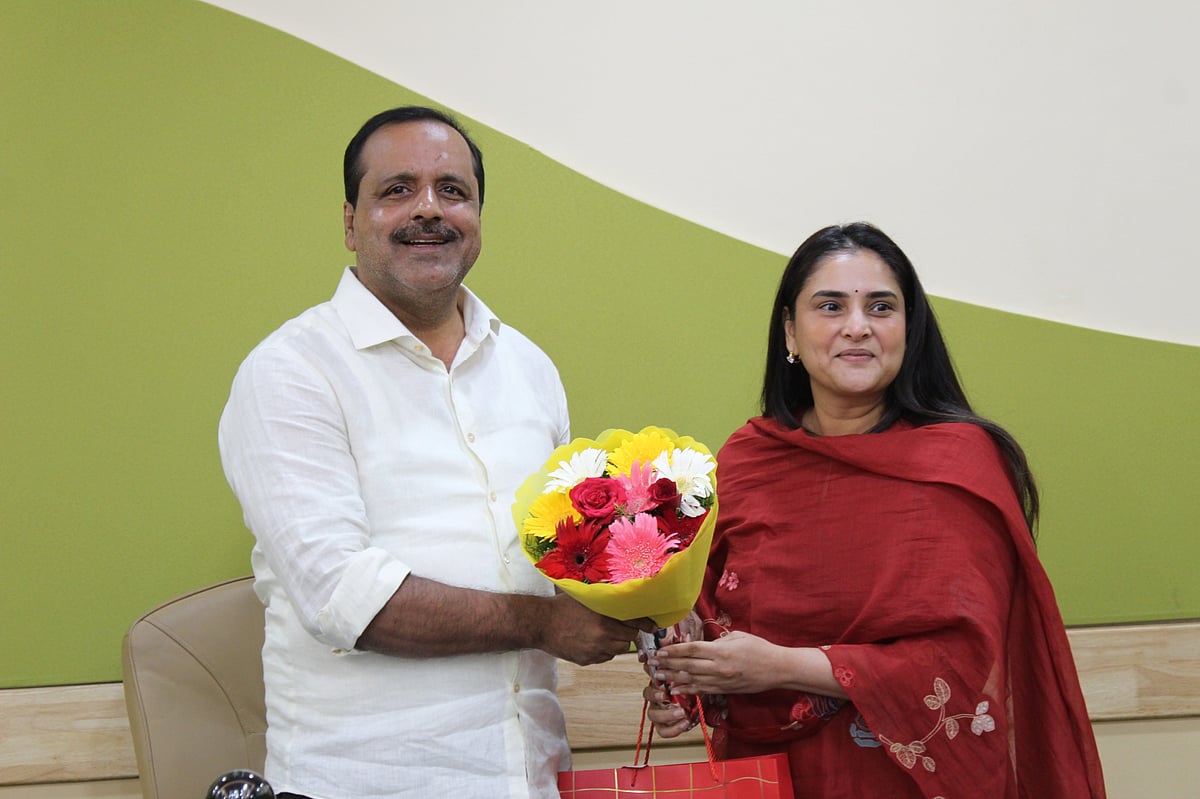
On August 4, 2026, Karnataka Health and Family Welfare Minister UT Khader announced that the Indian state is preparing a dedicated Women's Health Policy — provisionally named "Ruthu Thare" — that would make it the first policy of its kind in India to place menstrual health, perimenopause, and menopause at its center. Khader unveiled the plan at a Bengaluru event pointedly titled "Healthy Menopause, Healthy Women, Healthy Families," arguing that Karnataka's existing health policy does not adequately address women's health concerns as a distinct category.
Why It Matters
Menopause has become one of femtech's hottest commercial categories — from Bonafide's symptom surveys to cooling wearables, NHS non-hormonal drug approvals, and celebrity-backed intimacy brands — but almost all of that activity is concentrated in wealthy Western markets. A state government in India building screening, clinics, and outreach around menopause signals that the destigmatization wave is reaching the world's most populous region, potentially seeding demand for products, telehealth, and diagnostics across a market that global femtech has barely touched. Public-sector normalization also tends to precede private-sector expansion: awareness campaigns and midlife clinics create the informed consumer base that menopause brands, hormone-testing startups, and sexual-wellness companies need before they can scale in India.The proposed policy would work through awareness campaigns, early diagnosis and screening programmes, midlife health clinics, and ASHA-led community outreach (India's network of accredited social health activists), aiming to normalize a life stage that remains heavily stigmatized and clinically neglected across much of the country. A committee headed by Dr. Jyothsna Mirlay — a consultant gynaecologist specializing in menopause and midlife women's health — has been constituted to guide the programme and prepare scientific recommendations. Actor and former MP Ramya (Divya Spandana) was named the campaign's brand ambassador, a deliberate bid to bring celebrity reach to a topic Indian public health has largely ignored.
The framing is notable for a government policy: rather than treating menopause purely as a medical event, "Ruthu Thare" positions menstrual and midlife health along a continuum, with preventive care and public awareness as explicit goals. That mirrors how Western femtech and menopause brands have reframed the category commercially — but here the vehicle is state public health infrastructure serving a population of roughly 67 million, not a direct-to-consumer product line.
For an industry beat dominated by US and European menopause startups, HRT debates, and wearable hot-flash trackers, Karnataka's move is a reminder that the largest untapped menopause market on earth is in South Asia, where cultural silence and thin clinical services have kept both care and commerce underdeveloped.
Sources
- Karnataka to launch India's first menopause-focused women's health policy — The News Minute
- Karnataka plans new policy focusing on menstrual health — The New Indian Express
Update — 2026-08-09
{Initial entry — story first created.}