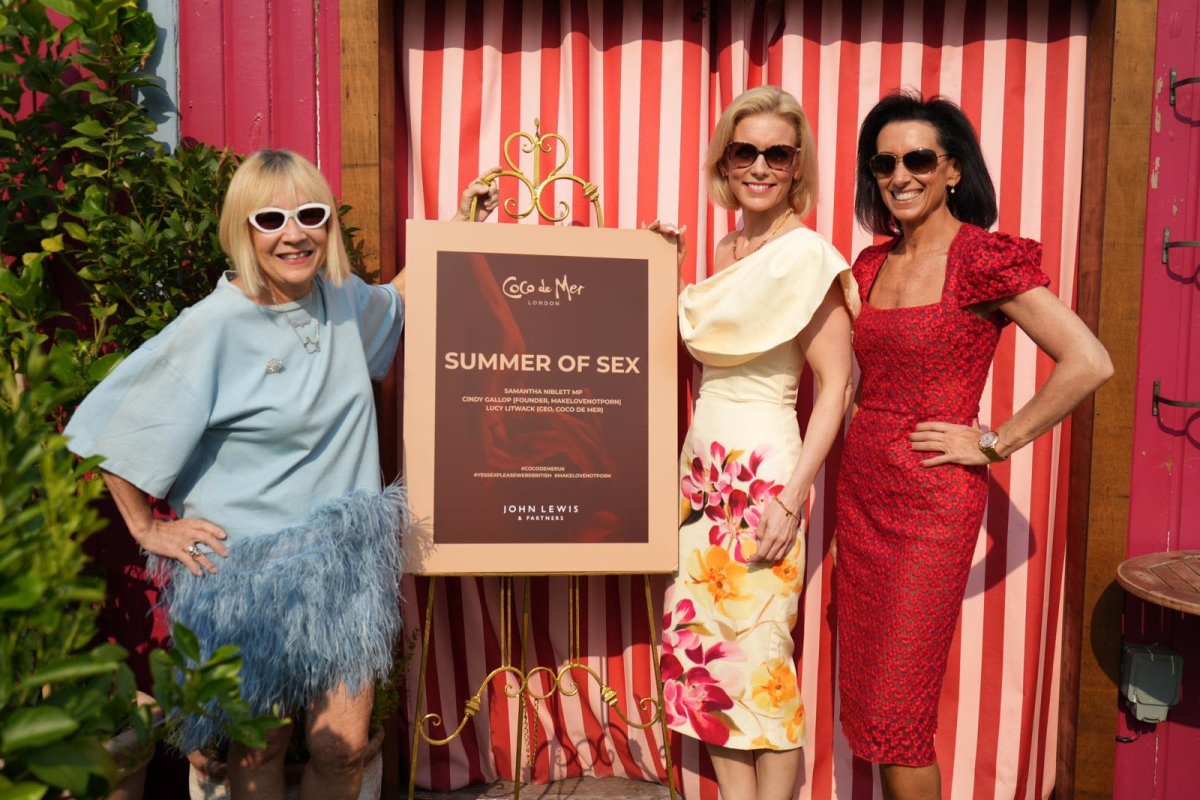
On Wednesday, July 22, 2026, British department-store institution John Lewis co-hosted the official launch party for "Summer of Sex" — the lifelong sex education campaign run by Labour MP Samantha Niblett — alongside luxury lingerie and sexual wellness brand Coco de Mer. PoliticsHome reported the event on July 23; The Spectator followed on July 26 with the detail that Niblett's planned parliamentary sex-toy exhibition is going ahead. Attendees left with goodie bags containing biscuits, canned cocktails and intimate bodycare products, which is a sentence that would have been unpublishable about a British high-street retailer a decade ago.
Why It Matters
Retail legitimacy in this category is won one gatekeeper at a time, and John Lewis is a heavyweight gatekeeper. This is a retailer whose brand is built on middle-class British respectability — the "Never Knowingly Undersold" chain, the Christmas advert people cry at. Its willingness to put its name on a launch event for a campaign whose centerpiece is a sex-toy exhibition in Parliament is a meaningful signal about where UK mainstream retail thinks the risk line now sits. It also fits a clear 2026 pattern. In the last fortnight alone: plusOne landed in 1,300+ Ulta Beauty stores in the US, and So Divine put a five-SKU Date Night range into Boots nationwide in the UK. The category's growth constraint has never been demand — it is shelf space and ad access, both controlled by risk-averse mainstream partners. Each retailer that crosses over makes the next one's decision easier. The political overlay is the differentiator here, and it is double-edged. Aligning a commercial category with a sitting MP's education campaign gets brands into rooms and press cycles that paid advertising cannot buy — Meta, Google and TikTok all still restrict sextech advertising. But it also welds those brands to a partisan fight, as Badenoch's intervention demonstrates. For brand teams weighing UK activation: the reputational upside of "sexual wellness as public health" framing is now demonstrably available, and so is the downside of becoming a culture-war prop. Watch whether the parliamentary exhibition actually happens, and which brands put product in it.Niblett, MP for South Derbyshire, launched the campaign in April 2026 via PoliticsHome and immediately drew fire across Westminster. Speaking at the launch alongside Coco de Mer CEO Lucy Litwack and Make Love Not Porn founder Cindy Gallop, she was candid about the strategy and its cost: "I was a little worried about putting my head above the parapet because actually, who wants to hear their MP talk about sex?" On the critics — including MPs who "don't like the sex toys" and think the props diminish the campaign — she was unrepentant: "I grabbed the mic. It did get the attention, and I am absolutely going to do a sex toys event in Parliament because I want it to not be shocking. I want it to not be pearl-clutchy." She told PoliticsHome that some "original doubters" among colleagues are coming round, and that "some colleagues are going on a journey."
The pushback is real and named. Conservative leader Kemi Badenoch attacked Niblett publicly on X, writing that the Tories are "screening for this tendency" in candidate selection and dismissing MPs who use Parliament as "a platform to campaign for their personal hobby-horses." That is not a fringe critic — that is the leader of the opposition treating sexual wellness advocacy as a disqualifying character flaw, which tells you exactly how contested this territory remains even as the retail side moves.
Sources
- Labour MP Says Her Colleagues Are "On A Journey" To Support Her Summer Of Sex Campaign — PoliticsHome
- John Lewis gets behind Labour MP's dildo campaign — The Spectator
Update — 2026-08-02
Initial entry — story first created.