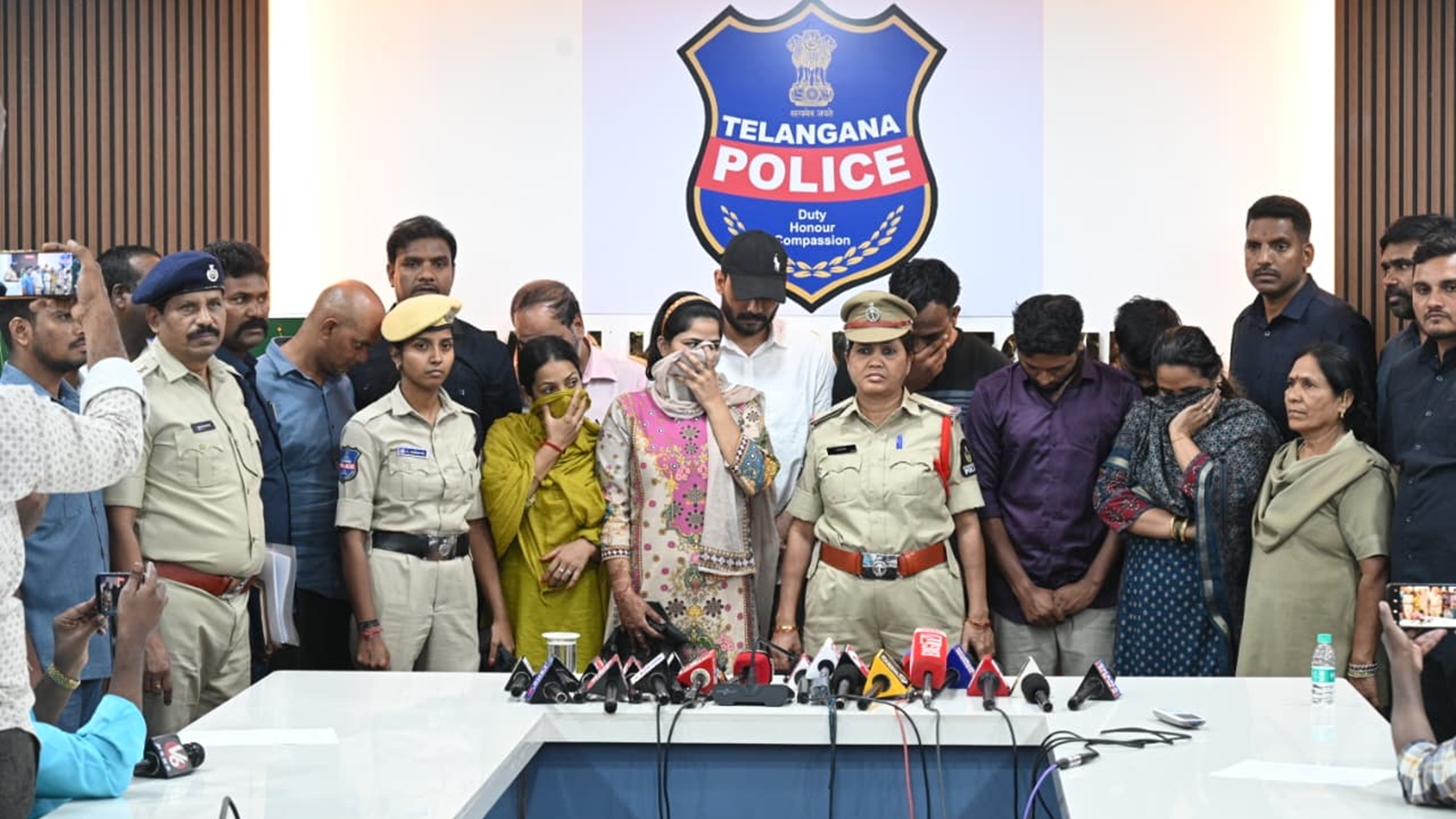
On November 10, 2026, Telangana's Health Department said it had inspected 27 of the state's 44 assisted-reproductive-technology (ART) centres. It reported finding 13 categories of regulatory violations and issuing show-cause notices to seven facilities. A day earlier, the Telangana State Commission for Women questioned managers of five Hyderabad fertility centres, including national chain Indira IVF, under a suo motu case it registered on November 7. The centres submitted records and explanations about their egg-retrieval procedures. No finding of wrongdoing against any named clinic had been announced at the time of writing.
Why It Matters
Donor eggs are a key input for IVF, and in any market where demand rises faster than altruistic supply, the pressure falls on donor sourcing. India's 2021 law was meant to end the paid-donor gray market. This case suggests the gray market survived by forging identity documents. For fertility platforms, clinic chains and egg banks globally, the lesson is about **donor-provenance verification**: knowing who the donor is, her real age, and how many times she has donated now carries reputational and legal risk. Telangana's state-wide inspections are a likely model for other Indian states. Also watch whether the National ART Registry's records match what clinics reported, since that will show how far a single-donation rule can be enforced without biometric checks.The inspections follow police raids on October 30–31, when Malkajgiri police rescued 43 women from hostels and residential flats in Hyderabad and Secunderabad. Police say the women had been recruited for illegal oocyte (egg) extraction and sale. According to The Indian Express, they came from Delhi, Maharashtra, West Bengal, Jharkhand, Uttar Pradesh, Bihar and other states. Several said they took the offer because of debt or illness in the family, and at least one said she had been promised a catering job. The Hindustan Times reports that women were offered ₹20,000–30,000 per donation cycle, while the operators allegedly made about ₹3 lakh per cycle supplying eggs to hospitals and fertility centres. Investigators told The Indian Express they recovered 100 forged Aadhaar identity cards from a single recruiter, apparently used to change donors' ages. Reports differ slightly on the number of arrests: eight or nine people have been arrested. Begumpet police say they have raided 14 fertility centres since the case began, and officials visited the National ART and Surrogacy Registry in Delhi on November 6 to obtain clinic records.
The relevant law is clear. India's Assisted Reproductive Technology (Regulation) Act, 2021 prohibits the sale of human oocytes. Donors must be 23 to 35, may donate only once in their lifetime, and may have no more than seven oocytes retrieved. The commissioning party must provide 12 months of health insurance. Investigators allege that women were stimulated and harvested repeatedly. The Hindu notes how commercial the Hyderabad market has become, with fertility packages advertised on autorickshaws and priced from ₹2.5 lakh to ₹50 lakh.
Sources
- Her father needed kidney transplant, she was lured into donating her eggs: Inside Hyderabad's IVF racket — The Indian Express (Nikhila Henry, Nov 12, 2026)
- Hyderabad oocyte racket: Officials raid 27 ART centres, find violations — The New Indian Express (Nov 11, 2026)
- Telangana Women's Commission questions 5 Hyderabad IVF centres over egg racket — Hindustan Times (Nov 10, 2026)
- Why are fertility centres in Hyderabad in crosshairs over human egg harvesting? Explained — The Hindu (Nov 12, 2026)
Update — 2026-11-12
Initial entry — story first created.