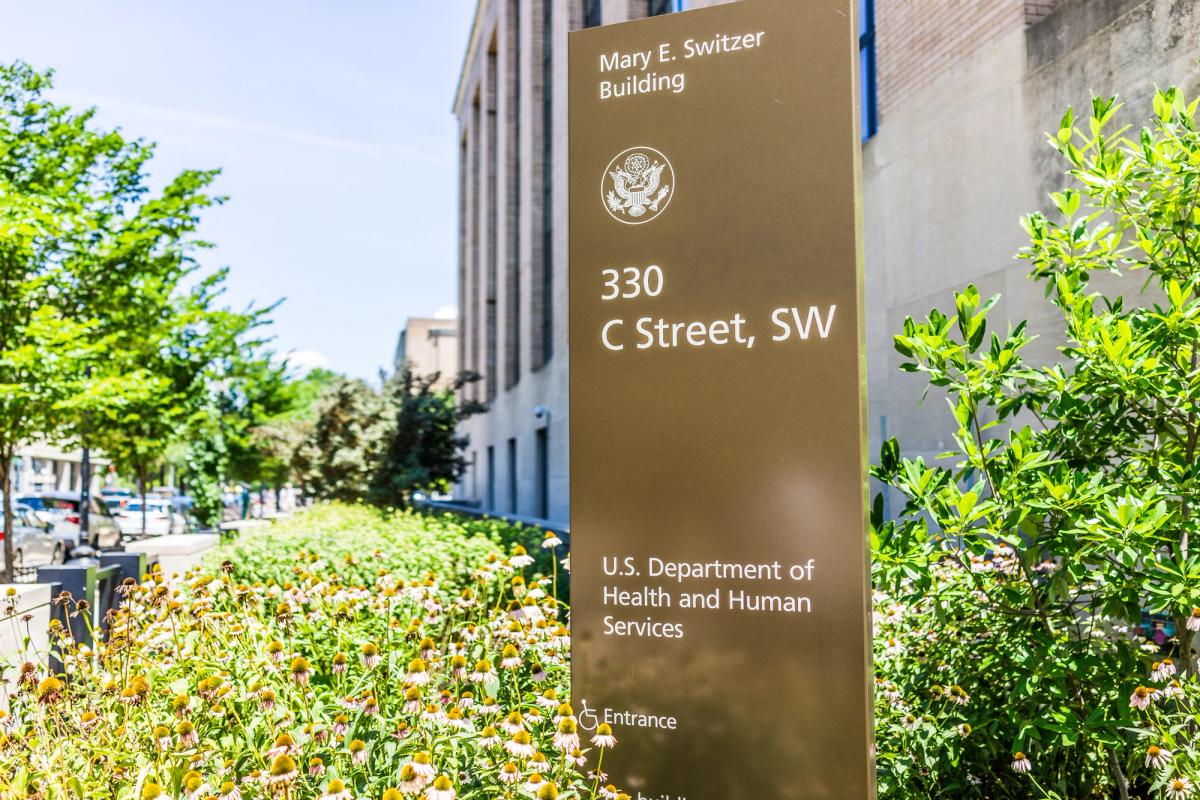
On November 6, 2026, the U.S. Department of Health and Human Services, through the Health Resources and Services Administration (HRSA), opened a $1 million funding opportunity called the Women's Initiative for Screening and Health (WISH). It will pay one organisation in fiscal 2027 to form a multidisciplinary coalition that reviews the federal Women's Preventive Services Guidelines and decides whether each recommendation should be updated or reaffirmed. Applications are due January 8, 2027 (Grants.gov opportunity HRSA-27-072), according to Contemporary OB/GYN.
Why It Matters
The no-cost contraception mandate rests on these guidelines. A review process that HHS describes in "gold-standard science" language, with a new convener and faith-based outreach built in, could reaffirm the current list or narrow it. Any change would affect the economics of the whole category. Femtech and telehealth contraception providers (Nurx, Wisp, Twentyeight Health), OTC-pill brands like Opill, condom makers, and at-home STI/HIV testing companies benefit from preventive services being free to the patient. For now nothing has changed, and the current guidelines stay in force. The dates to watch are the **January 8, 2027** application deadline, who wins the award, and whether the eventual panel's evidence reviews reopen specific methods (emergency contraception, for example) or the inclusion of over-the-counter products.The awardee must convene a panel of at least 10 experts from women's health, primary care, public health, preventive medicine, behavioural health, patient and consumer organisations, and groups serving medically underserved women. Evidence reviews must follow National Academies standards for trustworthy guidelines. HHS linked the programme to Executive Order 14437, "Advancing Women's Health to Improve Outcomes in All Phases of Life." It said WISH will also work with community-based and faith-based organisations, including those serving rural and frontier communities. HHS Secretary Robert F. Kennedy Jr. said women "deserve preventive care grounded in gold-standard science." HRSA Administrator Tom Engels said research "only makes a difference when it reaches women and the clinicians caring for them."
These guidelines are central to U.S. sexual-health coverage. Under the Public Health Service Act, non-grandfathered private plans generally must cover HRSA-supported preventive services with no copay, deductible or coinsurance. HHS cites a 2022 estimate that about 58 million women have such coverage. HRSA's current guidelines include the full range of FDA-approved, -granted or -cleared contraceptives. The list runs to 17 named categories, from IUDs and implants to condoms, spermicides and both forms of emergency contraception, plus contraceptive counselling and follow-up care. They also include STI behavioural counselling for women at increased risk and HIV screening for all women aged 15 and older.
WISH "builds on" the Women's Preventive Services Initiative (WPSI), the coalition that has reviewed evidence and recommended guideline updates since 2016. WPSI describes itself as a federally supported programme led by the American College of Obstetricians and Gynecologists (ACOG). The coverage of the announcement we reviewed does not say whether ACOG will compete for or keep that role under the new single-awardee structure.
Sources
- HRSA opens $1 million funding to update women's preventive guidelines — Contemporary OB/GYN (Nov 6, 2026)
- US opens $1m funding call to update women's preventive care guidelines — FemTech World (Nov 9, 2026)
- Women's Preventive Services Guidelines — HRSA
- Women's Preventive Services Initiative (ACOG-led) — womenspreventivehealth.org
Update — 2026-11-10
Initial entry — story first created.