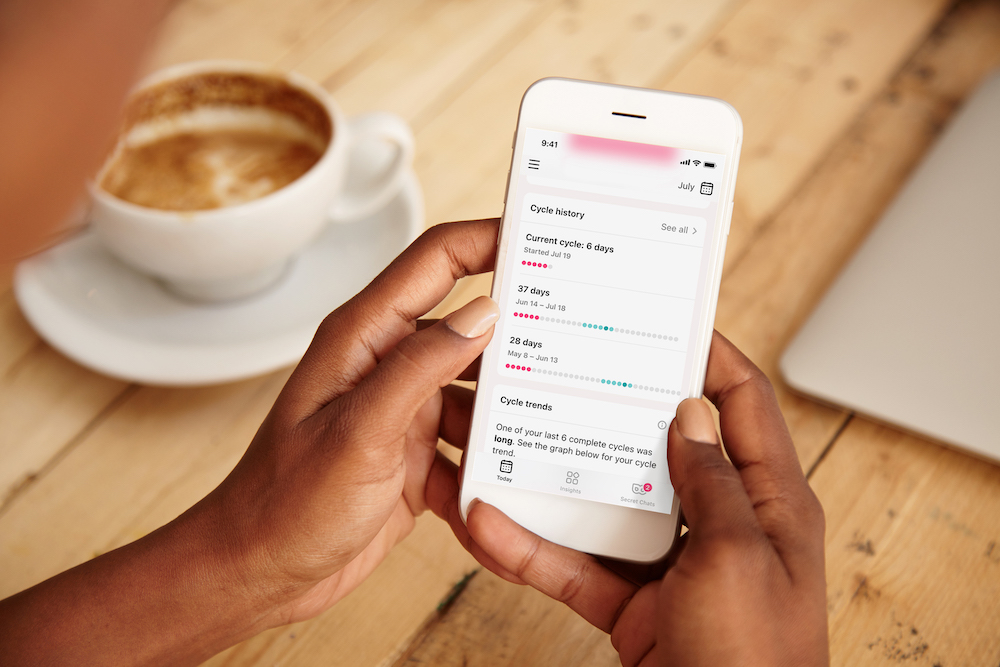
On July 15, 2026, women's health app Flo Health and the Mayo Clinic's Center for Women's Health published research finding that 34% of American women don't know which reproductive stage they are in — a confusion that climbs to 42% among women ages 40 to 44, exactly the cohort most likely to be entering perimenopause. The study, which appeared in Menopause: The Journal of the Menopause Society, surveyed 7,650 women aged 35 and older and used the validated Menopause Rating Scale (MRS) to measure symptoms alongside each participant's own understanding of where she stood.
Why It Matters
Perimenopause is one of the hottest segments in femtech right now, with a wave of startups, supplements, wearables, and telehealth services all chasing the same 40-something demographic. This study quantifies the core problem those companies are actually solving: the bottleneck isn't treatment availability so much as recognition. If four in ten women in their early forties can't identify the transition they're living through, the addressable market for education-first products — symptom trackers, screening tools, guided care navigation — is far larger than treatment-only plays assume. For Flo specifically, publishing MRS-based research with a Mayo Clinic imprimatur strengthens its positioning as a clinical-grade platform rather than a consumer novelty, a distinction that matters as regulators and insurers begin scrutinizing digital health claims.The disconnect between symptoms and self-awareness was the headline finding. Among women who were experiencing physical and mental symptoms consistent with perimenopause, 56% did not believe they were in the transition at all, frequently attributing hot flashes, mood shifts, and cycle changes to "regular periods" or to other conditions like endometriosis, postpartum recovery, or coming off birth control. A further 26% said they simply didn't know how to identify perimenopause, and 16% reported they couldn't access adequate information or care.
"This study highlights that helping women navigate perimenopause isn't only about developing new treatments — it's also about helping them recognize the transition earlier," said Flo's Director of Science, Liudmila Zhaunova, PhD. The framing matters commercially as well as clinically: Flo, the first women's health app to reach unicorn status, now reports 77 million monthly active users and has been steadily building an in-house research operation spanning perimenopause symptom prevalence, endometriosis diagnosis delays, and broader reproductive health.
The publication lands amid a broader femtech push to generate proprietary clinical evidence. With less than 10% of NIH funding historically allocated to women's health, apps like Flo, Natural Cycles, Clue, and Evvy have increasingly turned their enormous user datasets into peer-reviewed research — both to fill genuine evidence gaps and to build defensible scientific credibility in a crowded market.
Sources
- New Flo and Mayo Clinic Research Finds Widespread Confusion About Perimenopause Onset — Femtech Insider
- Mayo Clinic Center for Women's Health Research — Overview
Update — 2026-07-16
{Initial entry — story first created.}