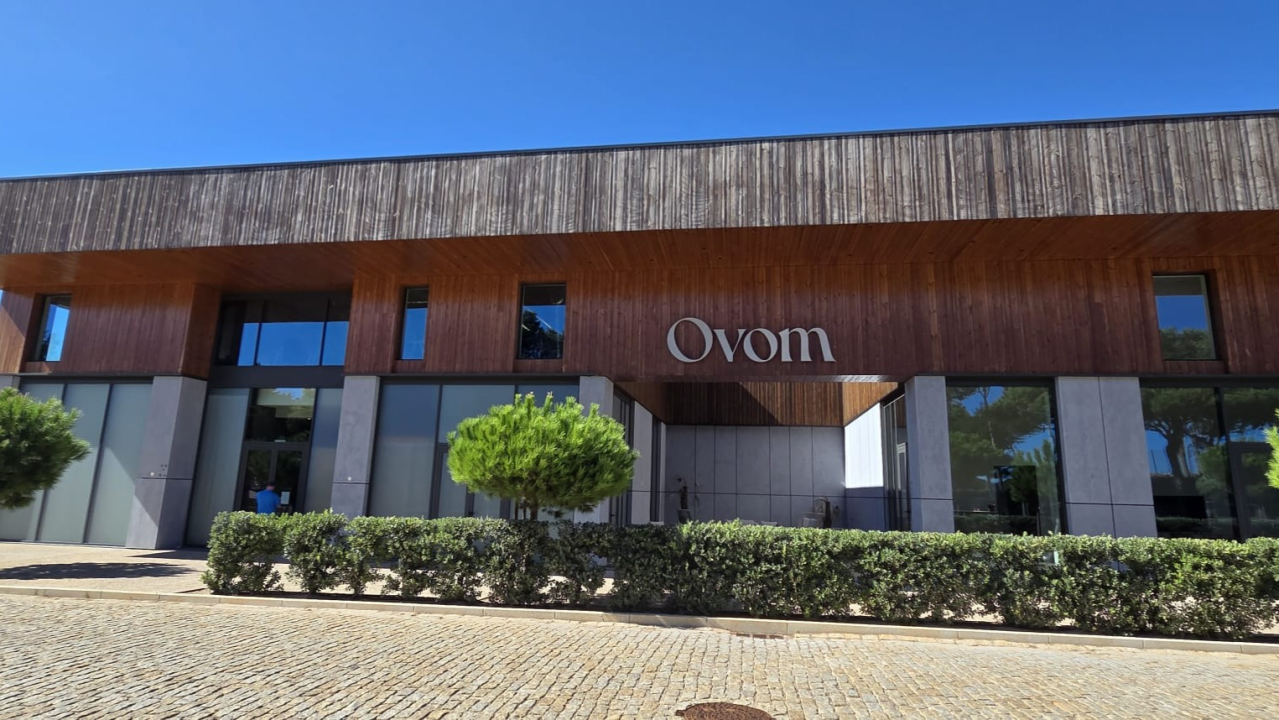
Between August 31 and September 3, 2026, two European women's health companies shut down — and the contrast between how they did it is the actual story. Portugal-based fertility clinic Ovom filed for bankruptcy and closed without notifying patients, clinicians or healthcare authorities, according to Lisbon newspaper Diário de Notícias as reported by Femtech Insider on August 31. Three days later, Italian pelvic pain telehealth startup Hale announced its own wind-down on LinkedIn, with resources, screening tools and clinician referrals left running for the patients it served.
Why It Matters
Fertility and pelvic health carry something most consumer health categories don't: custody. A failed DTC vibrator brand leaves customers with an unsupported app. A failed fertility clinic can leave patients unable to locate their own embryos and gametes, mid-cycle, with no regulator informed. That asymmetry is why Ovom's silent closure is a regulatory story and not just a startup obituary — Hickman is explicitly calling for insolvency requirements specific to fertility providers, and after two unannounced UK/EU clinic collapses in roughly a year, that argument now has a pattern behind it rather than an anecdote. For investors, the pairing is a useful case study in category timing versus governance. Hale failed on timing — it was early in a pelvic pain market that is only now attracting real capital, with Origin recently raising a Series B and musculoskeletal platforms like Sword and Hinge Health adding targeted programs. Ovom failed with more money raised and a harder-to-defend exit. Both land in a year when women's health venture funding has reset sharply, which means the next twelve months will likely produce more wind-downs — and the operators who handle patient transition well will be the ones whose founders raise again.Ovom launched in 2023, opened a clinic in London, then moved flagship operations to Cascais, Portugal, offering AI-assisted hybrid reproductive care spanning IVF and egg and sperm freezing. It raised over €4.8 million in 2024 to expand its AI capabilities, research and physical footprint. Co-founder Dr. Cristina Hickman — who left in 2024 after differences with investors — wrote on LinkedIn that the collapse underscores the need for stronger requirements around fertility insolvencies, arguing patient protection should be a requirement rather than an aspiration. "The lesson I take from Ovom is not that the vision was wrong. The vision was right," Hickman said. "The lesson is that the people, values, governance and operational experience behind that vision matter enormously. Fertility is too important to be treated as just another high-growth investment category." It is not the first: London-based Apricity shuttered last year, also without notice.
Other providers stepped into the gap. Plan Your Baby is offering Ovom patients free consultations with fertility specialists, gamete transfer with free storage where applicable, personalised care plans and discounted treatment; Hickman's clinic Avenues launched a dedicated pathway to transfer patient records, care, embryos and gametes.
Hale's exit was the orderly version. Founded in 2022 by Gaia Salizzoni and Vittoria Brolis, it ran a telehealth platform for pelvic, vulvovaginal and other gynaecological conditions, securing €350,000 in 2023 and building to 25,000+ community members, 16,000+ patients screened and a network of 2,000 clinical partners across Italy. "We were building in a category the market is only now beginning to fund, and we couldn't make Hale financially sustainable and to keep scaling the way we wanted to," the company said. "When you pioneer a market, part of your role is to lay the foundations so that the ones who come next can build on it and take it further." Its resource library, symptom-screening test and clinician referrals stay live, and its Berlin headquarters remains open.
Sources
- Fertility Clinic Ovom Files for Bankruptcy and Shuts Down — Femtech Insider
- Pelvic Pain Startup Hale Announces Closure — Femtech Insider
Update — 2026-09-07
Initial entry — story first created.