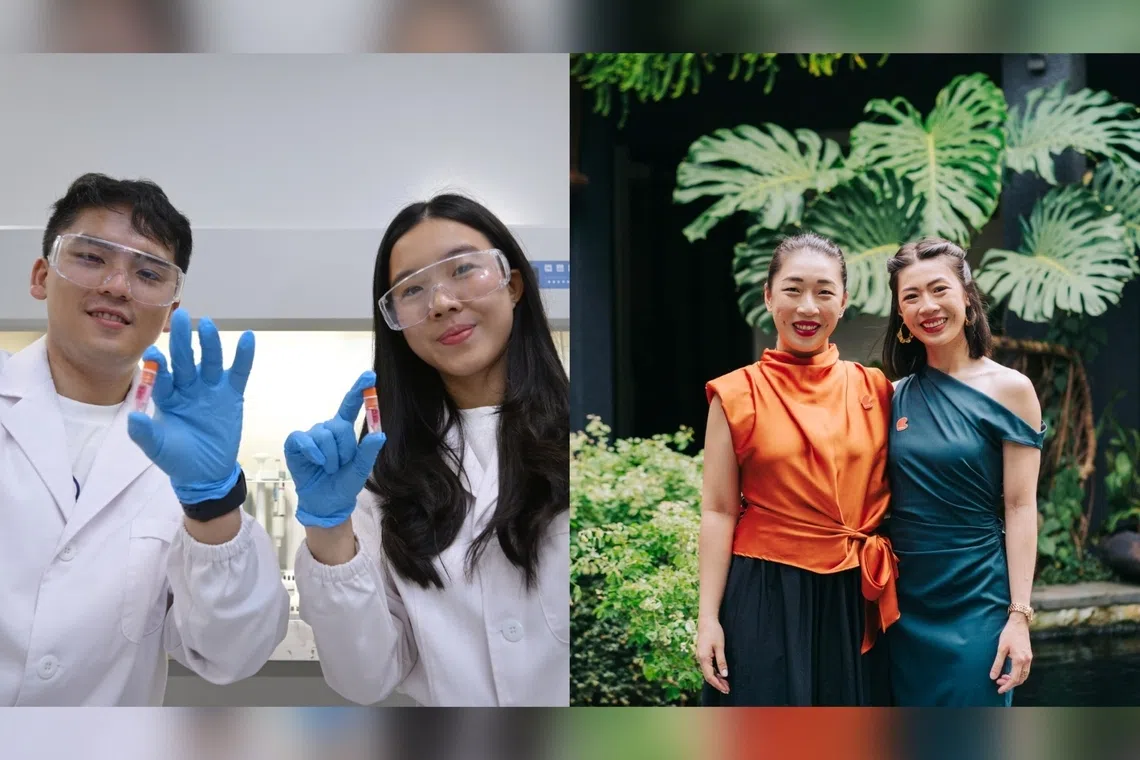
On September 7, 2026, the FemTech Association Asia launched its Overview of the Femtech Industry in Southeast Asia report, which The Straits Times covered on September 12: Singapore's femtech startup count has more than doubled from 24 in 2021 to 50 today, making it the region's clear leader ahead of Indonesia (21) and Malaysia (20). In Asia overall, Singapore ranks third behind China (62) and Japan (61).
Why It Matters
Most femtech market coverage is written from a US or Western European vantage point, where the funding story has been rough — a run of clinic wind-downs and down rounds through 2026. Southeast Asia is running a different playbook on a different clock, and Singapore doubling its startup count over five years while broadening from four-ish categories to fourteen is a genuine structural signal, not a headline number. The category widening is the part investors should read closely. When femtech was period apps and fertility trackers, it was a consumer-software bet with a well-known monetisation ceiling. Diagnostics, clinics and hormonal health are healthcare-services businesses with reimbursement pathways, higher revenue per user and much harder moats — which is a different asset class wearing the same label. Anyone still pattern-matching femtech to "period-tracking app" is mispricing the region. The MenSC Labs example is also a useful reminder that stigma still functions as a capital constraint even in a market this favourable. A company with paying research customers across three countries and a 300-person donor waitlist has raised under S$100,000, almost entirely from grants and friends-and-family, because its input material makes people uncomfortable. That is the same friction the pleasure-products sector has spent a decade fighting at the payment rail, showing up here at the cap table.More interesting than the headcount is the widening of the category. The association's founder, Lindsay Davis, told the paper that Singapore's femtech map now spans 14 categories, expanding well past the menstrual-health and sexual-health startups that dominated the 2021 cohort into women-focused diagnostics, women's health clinics and hormonal health. "The diversity of start-ups in Singapore reflects both the breadth of unmet needs in women's health and a growing recognition that femtech is not one category, but a much broader healthcare opportunity across a woman's life course," Davis said. She attributes Singapore's lead to the combination of healthcare and technology infrastructure, access to funding and talent, and connectivity into the wider Southeast Asian market.
AI-native entrants are now layering on top. Ovum — the Melbourne-founded AI health platform covering periods through menopause, which raised a $4M seed in June 2026 — plans an official Singapore launch around mid-2027, with its app already downloadable locally at S$84.98 a year on a monthly subscription basis. Founded in August 2025 by Australian medical doctor Ariella Heffernan-Marks, Ovum reports over 26,000 downloads and more than 110,000 health data points from women aged 15 to 84, and is also expanding into Hong Kong and New Zealand. "Singapore may be small, but it has a sophisticated healthcare system, high digital adoption and a diverse population, making it an important first market for us in Asia," Heffernan-Marks said.
The Straits Times profiled two homegrown examples in a companion piece the same day, including MenSC Labs — founded November 2024 by NUS graduate Kyle Lao, 25, and co-founder Immanuella Indradjaja, 22 — which isolates stem cells from donated menstrual blood for regenerative women's health research. The company runs about 70 active donors reimbursed S$60 per sample with a waiting list of over 300, sells research-use cells to more than 10 labs across Singapore, Australia and the US, and has raised just under S$100,000 including a S$10,000 NUS Enterprise grant and S$50,000 from Enterprise Singapore's Startup SG Founder Programme. Lao is candid that fundraising is hard partly because menstruation remains taboo: "Some may call it a waste product, but that's just a perception."
For market context, the report cites a 2025 UN ESCAP paper projecting the global femtech market at US$130 billion by 2034, and the 2024 World Economic Forum / McKinsey Health Institute estimate that closing the women's health gap could add over US$1 trillion annually to the global economy by 2040.
Sources
- Periods to perimenopause: Femtech start-ups double in Singapore — The Straits Times
- Stem cells from menstrual blood: Femtech co-founder inspired by girlfriend's periods — The Straits Times
Update — 2026-09-12
Initial entry — story first created.