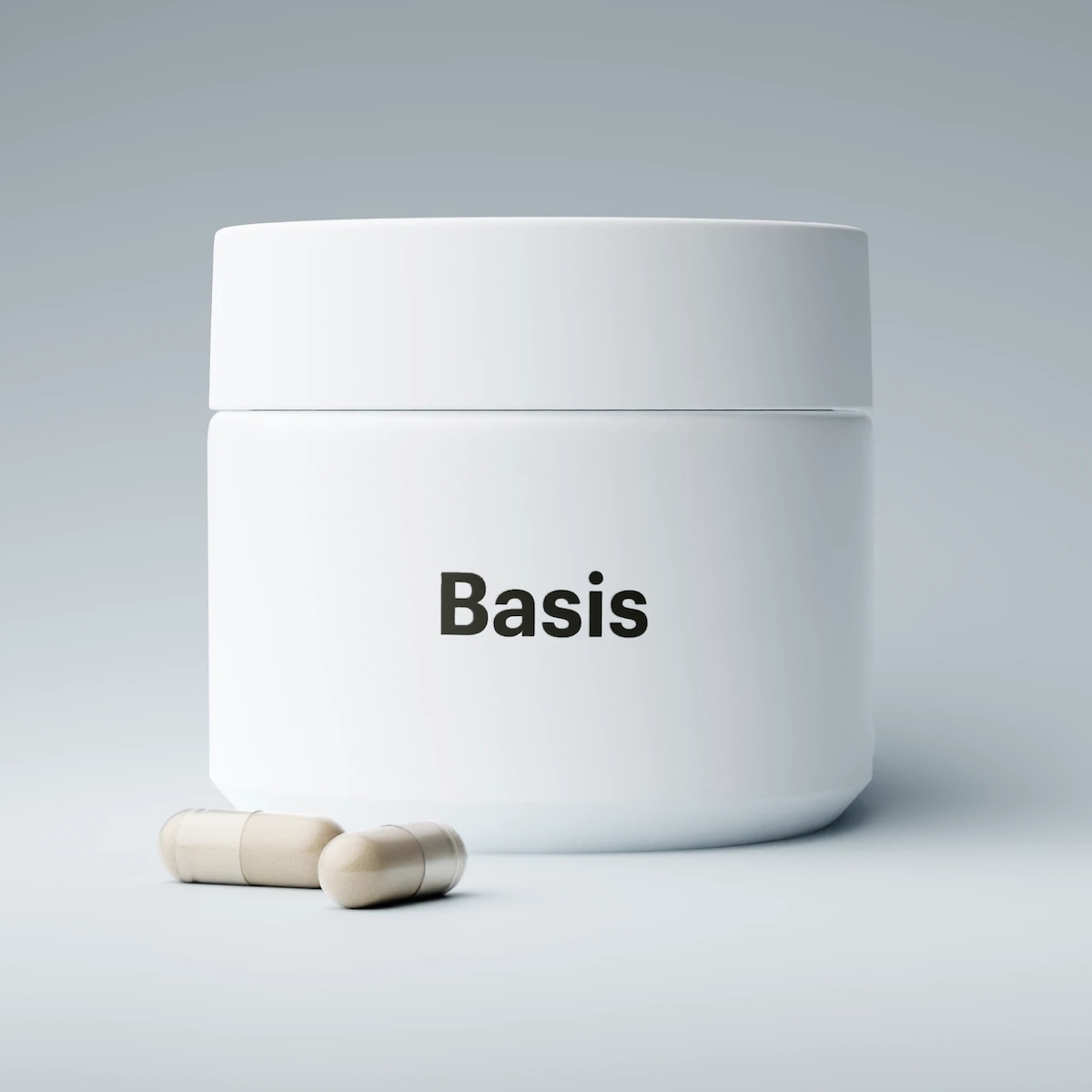
On July 9, 2026, longevity science company Elysium Health published a pilot study in Frontiers in Aging suggesting a connection between NAD+ metabolism, estrogen balance, and menopausal symptoms — a novel angle in the fast-growing menopause-wellness segment. The open-label study evaluated 40 healthy women over 35, of whom 32 self-reported menopause-transition symptoms. After seven days of supplementation with Basis, Elysium's flagship NAD+ product (nicotinamide riboside and pterostilbene), the symptomatic group self-reported reductions of 50% or more in the frequency and severity of hot flashes, bloating, and poor sleep.
Why It Matters
Menopause has become one of the hottest lanes in femtech and sexual wellness — adjacent to vaginal-dryness and libido products and increasingly to sexual-health outcomes for midlife women. A crossover from the well-capitalized longevity/supplement world (Elysium) into menopause signals that the category is attracting players from outside traditional women's health, bringing biomarker-driven marketing and clinical framing. But the study also illustrates the segment's central credibility risk: aggressive symptom claims resting on small, uncontrolled pilots. As celebrity- and longevity-branded intimate-wellness products proliferate, the gap between "published research" and rigorous, placebo-controlled evidence is exactly what regulators (FTC on claims) and skeptical clinicians will scrutinize.Beyond symptom relief, the study reported a significant increase in the ratio of estradiol (E2) to estrone (E1) — the two primary forms of estrogen whose shifting balance is a hallmark of menopause — and characterized a previously unreported NAD+ metabolite. "We were encouraged to see improvements in estradiol-to-estrone ratios alongside meaningful reductions in the frequency and severity of menopausal symptoms," said study co-author Marie Migaud, PhD, of the University of Western Australia. Elysium also added Columbia University reproductive-sciences professor Yousin Suh, PhD, to its Scientific Advisory Board.
The company was refreshingly candid about the limits: this is a small, open-label pilot with self-reported outcomes and no placebo control, meaning the improvements cannot be separated from placebo effects. Elysium says it plans a larger randomized, placebo-controlled trial to build on the findings.
Sources
- Elysium Health Pilot Study Links NAD+ Supplementation to Menopause Symptom Relief — Femtech Insider
- Elysium Health Research Demonstrates Improvements in Menopause Symptoms and Estrogen Balance — PR Newswire, Jul 9 2026
Update — 2026-07-14
Initial entry — story first created.