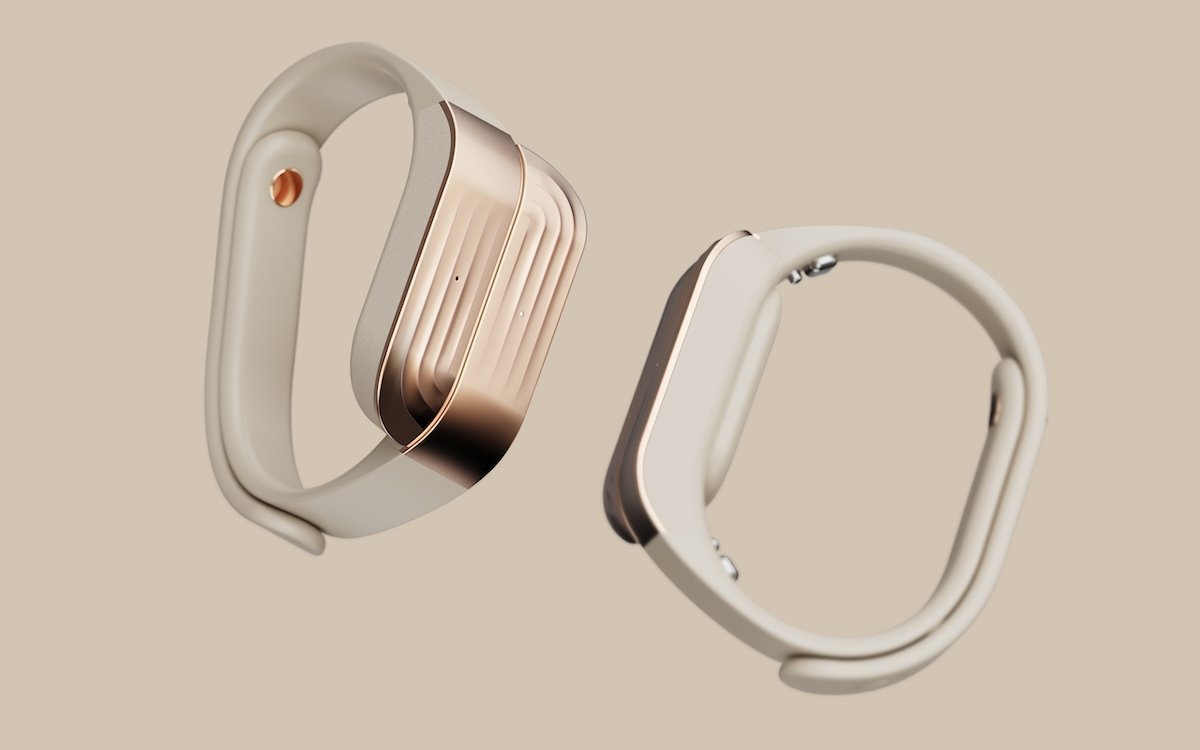
On August 11, 2026, Femtech Insider reported that women's-health startup Clair Health has partnered with Mayo Clinic Platform_Accelerate to validate the hormonal-health platform it is building around what it describes as the first noninvasive continuous hormone monitor for women. Through the program, Clair gains access to Mayo's de-identified clinical records to test and refine the algorithms that connect hormone patterns to broader health signals — a credibility-building step for a category (continuous, real-time hormone sensing) that remains scientifically unproven at consumer scale. The company frames its mission around a stark gap: women spend roughly 25% more of their lives in poor health than men, yet only about 1% of research funding is directed at female-specific conditions beyond oncology.
Why It Matters
Continuous hormone monitoring is one of femtech's highest-upside, highest-risk frontiers: if it works, it could do for women's endocrine health what continuous glucose monitors did for diabetes, unlocking cycle, perimenopause, fertility, and metabolic applications from a single data stream. But the space is crowded with claims that outrun the science, and consumer trust is fragile after a string of privacy scandals and overpromised wearables. Clair's decision to validate against Mayo Clinic's clinical data before a full launch is a signal that the maturing femtech sector is competing on evidence, not just marketing — a shift that favors well-capitalized players who can afford clinical partnerships and pressures thinner startups. With record capital flowing into women's health and a hormone-monitoring race intensifying, credible validation is becoming the real moat.The Mayo collaboration builds on Clair's momentum. The company previously raised $11.6 million led by Khosla Ventures, with participation from a16z speedrun, Brydge Club, the AI in Health Fund, Cartan Capital, and angels including 23andMe founder Anne Wojcicki, and has amassed a waitlist of more than 25,000 people ahead of launch. Pairing venture capital with a marquee clinical validation partner is a deliberate play in a femtech field where "wearable hormone tracking" claims have outpaced the evidence base — a tension Afterglow has tracked across rivals including Eli Health, Kahu SiliconBio, Perperity, Mira, and Natural Cycles.
Clair's positioning is notable for reaching beyond fertility. Rather than anchoring on cycle-tracking or contraception (the beachhead for most hormone-focused femtech), the company pitches continuous hormone data as a window into overall health across the lifespan — connecting estrogen, progesterone, and related biomarkers to conditions well outside reproduction. That framing echoes a broader 2026 shift in women's health investing, where a record $1.55 billion in disclosed equity flowed into the sector in 2025 and a distinct women-specific metabolic-health category began to emerge.
Whether a truly noninvasive, continuous hormone monitor is technically achievable at consumer accuracy remains the open question — and precisely why the Mayo Platform_Accelerate validation matters. For now, Clair is doing what serious femtech hardware increasingly must: front-loading clinical rigor before shipping, in a category where regulators, clinicians, and burned consumers have grown skeptical of unvalidated wellness claims.
Sources
- Clair Health Partners With Mayo Clinic Platform_Accelerate To Validate Hormone Platform — Femtech Insider
- Clair Health Raises $11.6M to Build Noninvasive Continuous Hormone Monitor for Women — Femtech Insider
Update — 2026-08-12
{Initial entry — story first created.}