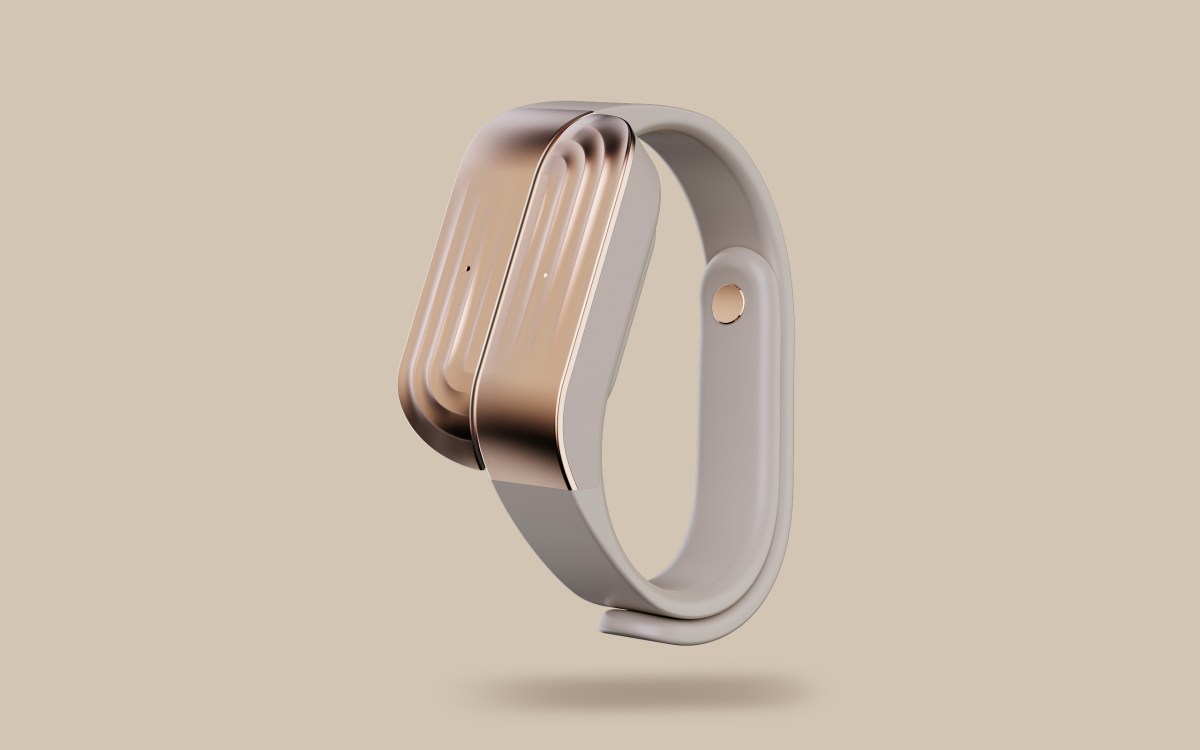
On June 17, 2026, femtech startup Clair Health announced it had raised $11.6 million to build a non-invasive wearable that continuously tracks hormonal and metabolic biomarkers — a notoriously hard problem in women's health. Founded by Stanford graduates Jenny Duan and Abhinav Agarwal, the company is positioning its device (worn discreetly rather than as a clinical patch) as a tool to decode cycle irregularities, perimenopause, inflammation, bloating, energy levels and the four distinct phases of the menstrual cycle, rather than relying on the single data point of menstruation onset.
Why It Matters
Continuous hormone monitoring has been the white whale of femtech — most "hormone tracking" today is inferred from temperature, heart rate, or self-reported symptoms rather than measured directly. A credibly funded, Stanford-pedigreed team backed by Khosla and a16z signals investor conviction that the category is finally technically tractable. It also lands squarely in the hottest femtech sub-sector of 2026: perimenopause and menopause, where rivals from Natural Cycles to a wave of cooling-wearable startups are racing for the same midlife consumer. If Clair's voice-biomarker and sensor claims hold up under scrutiny, it would meaningfully raise the bar — and the data-privacy stakes — for intimate health wearables.The round was led by Khosla Ventures, with participation from a16z speedrun, Brydge Club, Treehub, Cartan Capital, AGI House, Insiders VC, and angels including 23andMe co-founder Anne Wojcicki. Clair pairs the sensor hardware with a software layer that the company says uses voice-based onboarding — claiming it has trained its own AI to read voice biomarkers and estimate a user's cycle phase after just a few minutes of conversation. "Women can't communicate a large amount of symptoms because the apps are built for only specific ones," Duan told TechCrunch. "With our voice stack, we are giving our users a way to communicate their own problems in their own way."
Beyond consumer insights, Clair frames the wearable as a clinical bridge: by handing perimenopause and menopause patients hard, longitudinal hormone data to bring to their doctors, it hopes to short-circuit the years of dismissal and trial-and-error that define midlife women's care. The device also surfaces signals on pace of aging, inflammation, and rate of perceived exertion.
Sources
- Two Stanford grads raise $11M to build a noninvasive wearable for hormone tracking — TechCrunch
- Clair raises $11.6M for continuous hormone tracking — Longevity.Technology
Update — 2026-06-25
Initial entry — story first created.