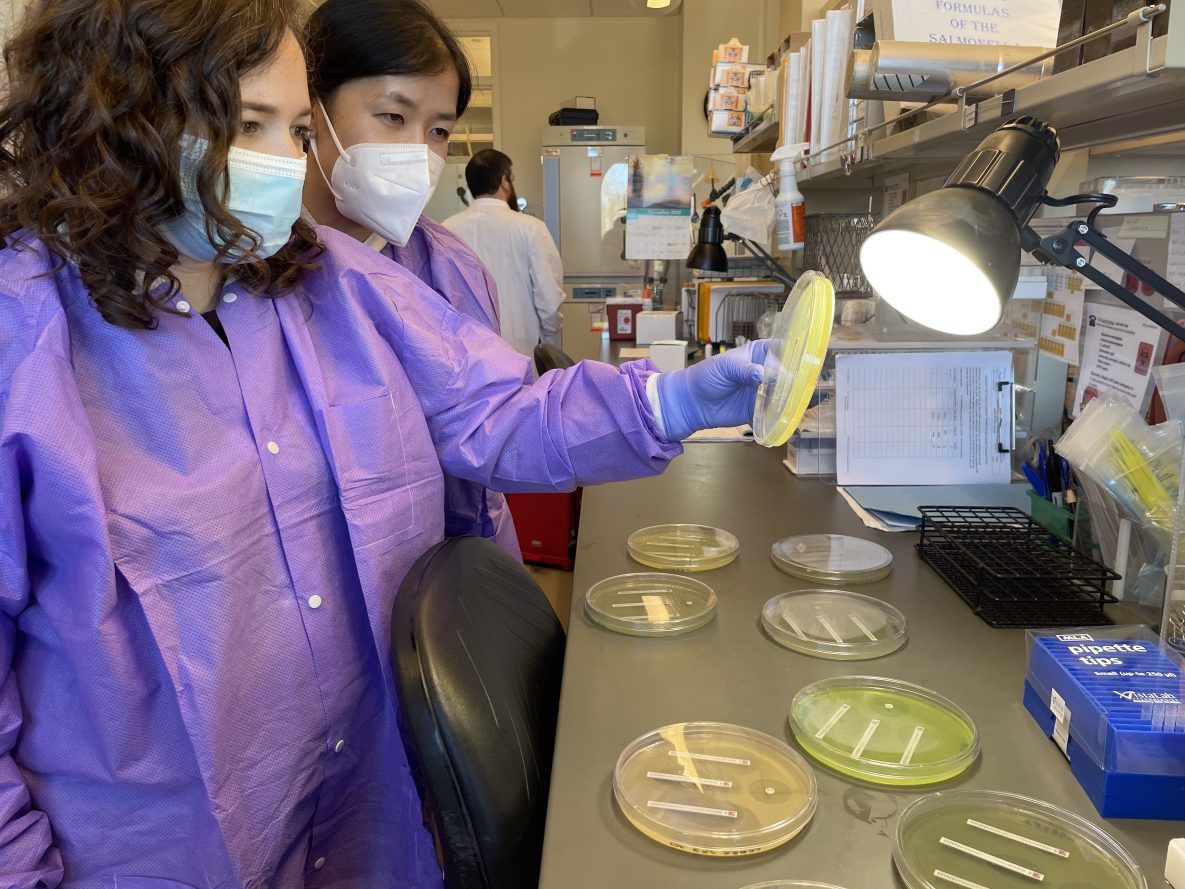
On October 27, 2026, the CDC published its Antimicrobial Resistance Threats Report, the agency's first comprehensive assessment of drug-resistant bacteria and fungi since 2019. It lists 19 pathogens: 4 "urgent," 13 "serious" and 2 "concerning," plus six more being monitored as potential threats. According to ABC News, the CDC estimates these drug-resistant germs cause about 9.7 million infections and 50,800 deaths in the US each year. "Antimicrobial resistance threatens modern medicine and puts millions of Americans at risk every year," CDC director Dr. Erica Schwartz said.
Why It Matters
"Urgent" is the CDC's highest designation. Keeping gonorrhea there in 2026 supports the whole sexual-health prevention and diagnostics stack: at-home and point-of-care STI testing, test-and-treat telehealth, pharmacy screening, and the new oral antibiotics in the pipeline. Zoliflodacin is the first new gonorrhea drug in decades, and IDWeek data showed it holding up in chlamydia co-infection ([our Oct 26 story](/stories/zoliflodacin-chlamydia-coinfection-idweek)). It also raises the stakes for **doxy-PEP**. Population programs like [Australia's](/stories/australia-doxypep-population-impact) show strong effects on syphilis, but every antibiotic-based prevention strategy will face harder questions about gonococcal and *Shigella* resistance now that the federal threat list is current again. For brands, the message is the same as [Canada's CPHO report last week](/stories/canada-cpho-sti-syphilis-report): case counts can fall while the underlying risk gets worse. Condoms, testing frequency and partner notification are still the cheapest resistance strategy available, and a report that will now come out every two years gives sexual-health marketers a recurring, citable federal data point.Drug-resistant Neisseria gonorrhoeae is one of the four urgent threats and the only sexually transmitted one, alongside Candida auris, carbapenem-resistant Acinetobacter and carbapenem-resistant Enterobacterales. ABC reports the CDC estimates about 787,000 drug-resistant gonorrhea infections in 2023. Smithsonian, quoting the agency, says the bacterium has become resistant to nearly every antibiotic used to treat it and that "it's only a matter of time until it becomes resistant to the last available cure." USA Today notes that confirmed gonorrhea cases are actually falling: 543,409 in 2024, down from 2023 and from a 2021 peak of 710,151. Fewer cases does not mean the resistance problem is easing.
Further down the list, the "serious" tier includes drug-resistant Shigella, which USA Today flags as recently in the news for sexual transmission. The CDC cautioned against direct comparisons with the 2019 report because the data sources and methods changed, and Smithsonian reports (citing NBC News) that the agency now plans to update the report every two years.
Sources
- Drug-resistant germs are 'growing threat' to US, causing more than 50,000 deaths annually: CDC — ABC News (Oct 27, 2026)
- These 4 germs are becoming an urgent threat, and they resist treatment — USA Today (Oct 28, 2026)
- Drug-Resistant Germs Now Kill More Than 50,000 Americans Each Year, According to a New CDC Report — Smithsonian (Oct 29, 2026)
Update — 2026-11-01
Initial entry — story first created.