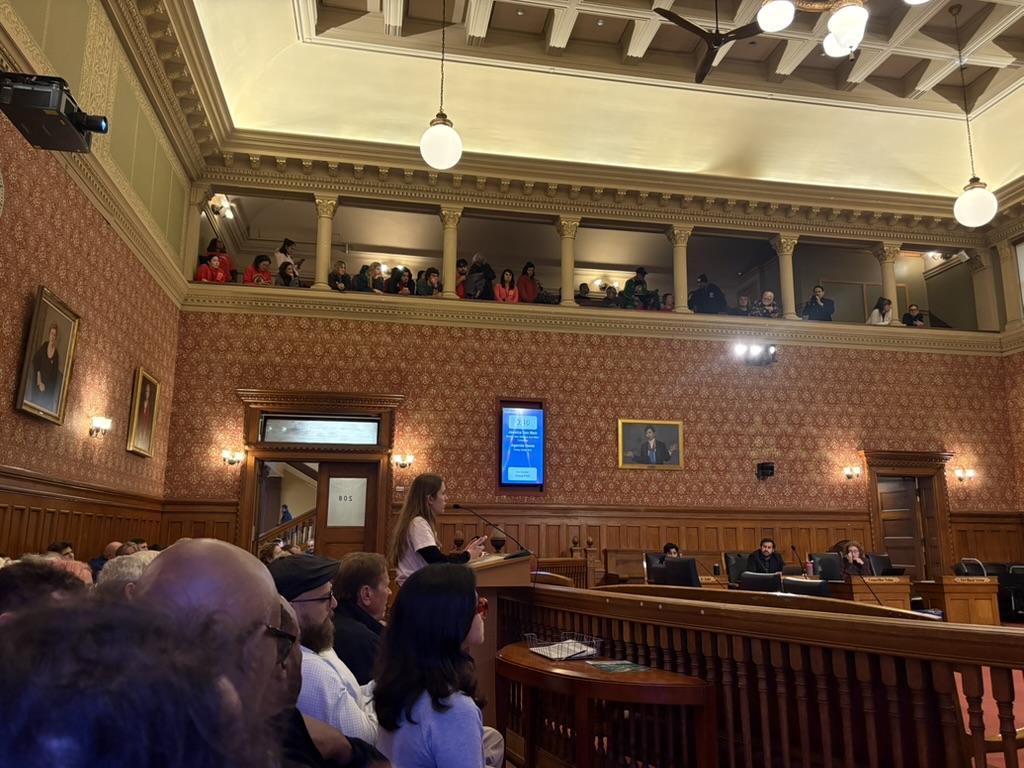
On Monday, October 5, 2026, the Cambridge, Massachusetts City Council passed a policy order asking City Hall to make the city safer for sex workers. The vote was 8 in favor, with Councillor Timothy Flaherty voting present, Cambridge Day reported on October 7. The order directs the city to set up a crisis help line for sex workers within its Community Assistance Response and Engagement (CARE) team, to help with legal options and social services. It also calls for anti-poverty measures and support for LGBTQIA+ youth, who are disproportionately vulnerable to trafficking. It formally asks police to keep arrests of sex workers among their "lowest law enforcement priorities," and asks the Middlesex District Attorney's office to stop prosecuting sex workers in the county.
Why It Matters
Most of the decriminalization debate in the US now happens below the state level, through city resolutions, prosecutor discretion and policing priorities, because state legislatures won't take it up. That has direct effects on the adult-platform economy. Workers who can report abuse without fear of arrest are safer, and safer workers are less exposed to the trafficking accusations that drive payment-processor de-risking and FOSTA-style platform liability. The split vote is the more telling part. Even in one of the most progressive cities in the US, councillors would back "decriminalize the seller" but not "decriminalize the buyer," which is roughly the Nordic model. That is the same dividing line in the Michigan attorney-general race we covered last week. Expect it to become the standard compromise in US jurisdictions, even though sex-worker groups argue that criminalizing buyers still pushes work out of sight.Councillors removed a line calling for "full decriminalization," which would have included decriminalizing the buying of sex. The vote had been delayed a week after Councillor Patty Nolan exercised her charter right over that line at the September 28 meeting. Cambridge Day reports that Nolan and the other councillors who voted yes support decriminalizing the selling of sex. They cited disagreement among sex workers, trafficking survivors and academics over criminalizing buyers. The Boston Sex Workers and Allies Collective (BSWAC), which co-wrote the order with Councillor Jivan Sobrinho-Wheeler, accepted the compromise. BSWAC policy chair Jessica Van Meir called the help line "a really huge accomplishment."
The order isn't legally binding, because buying and selling sex are both crimes under Massachusetts law. "It does send a message to our state and county elected officials," Sobrinho-Wheeler said. Police data cited at the meeting show four prostitution arrests in Cambridge since 2020. Advocates argued that low arrest numbers don't create trust. Shameka Gregory of the Cambridge Domestic and Gender Based Violence Prevention Initiative said sex workers who fear arrest often won't call 911 after being abused by clients. Neighboring Somerville voted in 2019 to direct its police not to arrest sex workers.
Sources
- Council passes policy order supporting sex workers — Cambridge Day (Oct 7, 2026)
- City council recap: Policy orders on bike lanes, sex work return next week — Cambridge Day (Sept 30, 2026)
Update — 2026-10-08
Initial entry — story first created.