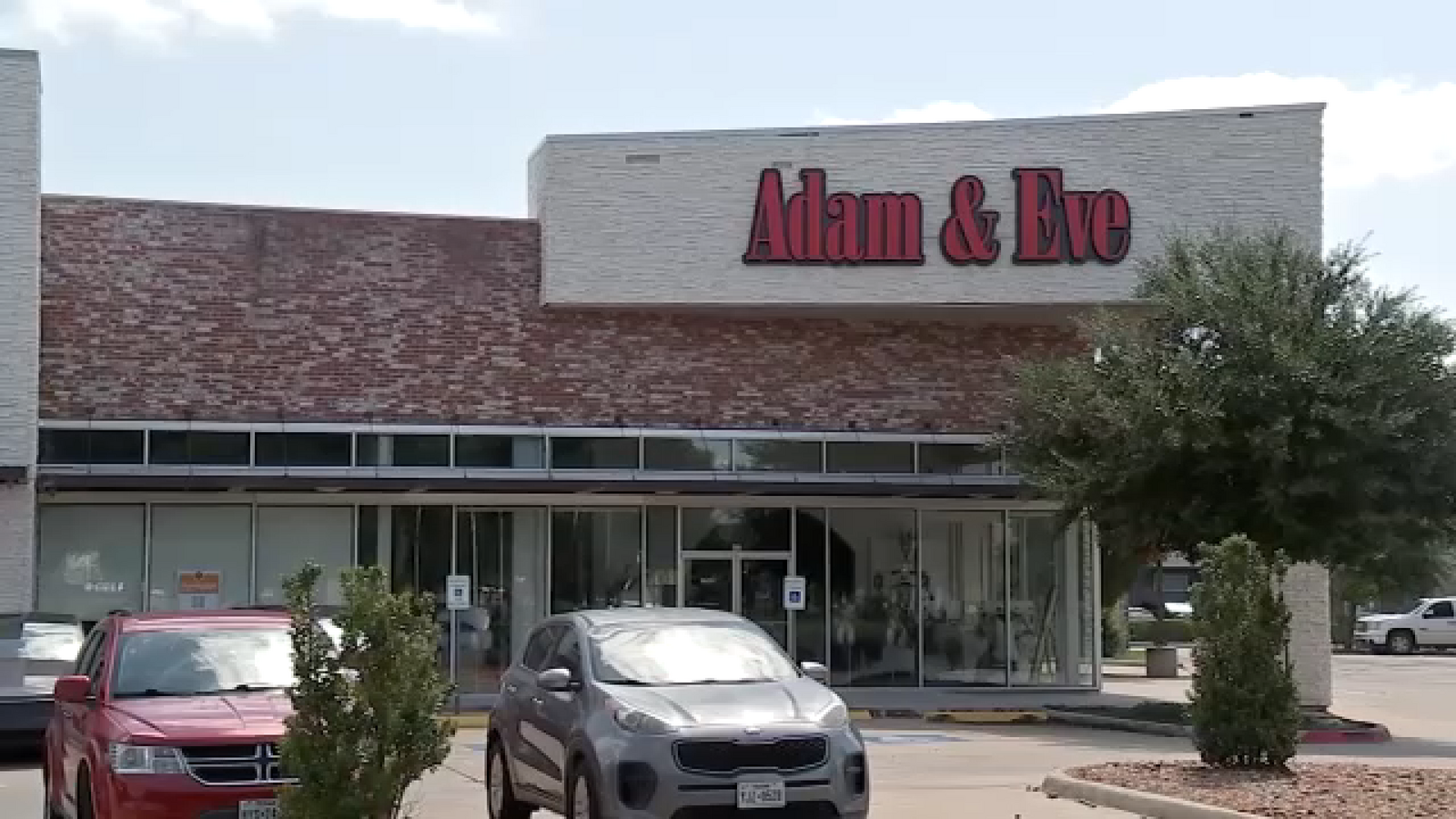
On August 26, 2026, the operator of an Adam & Eve store on Richmond Parkway in Fort Bend County, Texas sued the county to stop the sheriff's office from forcing it to register as a "sexually oriented business" — a designation the store says would shut it down outright. ABC13 Houston broke the story that evening; the Houston Chronicle followed the next day with the filing details. The dispute turns on a deceptively simple question with real money behind it: when a retailer sells lube, lingerie and a minority of pleasure devices, what kind of store is it?
Why It Matters
This is the second US zoning fight in a week to land on the same unresolved question — and the more consequential of the two. On August 27, the Eighth Circuit revived Romantix's dispute with Fargo, North Dakota over a nearly identical issue, and Fargo responded by amending its code to sweep "sexual device shops" into its adult-establishment category. Fort Bend is the mirror image: no code change, just an enforcement reinterpretation applied after permits were already issued. For the pleasure-products industry, the strategic stakes are about the mainstreaming thesis itself. The entire retail playbook of the last five years — Dame at Walmart, Future Method at CVS, sexual wellness bays at Target and Boots — rests on the premise that these products are general merchandise. If a county can classify a store by brand reputation rather than by inventory percentage, that premise is only as durable as the local sheriff's opinion, and the buffer-zone math turns a permitted lease into a stranded asset. The Adam & Eve filing frames the exposure precisely: the store signed a lease, built out a space the county approved, and now faces a rule that would make the location unusable. Two things to watch. First, whether the court reaches the vagueness question — a ruling that "primary business purpose" needs an actual quantitative threshold would give retailers something they currently lack: a number to plan against. Second, whether the Spencer's/Target/CVS comparison lands. If a court accepts that a mainstream retailer's intimate-products aisle is materially the same as a specialty store's minority inventory, that reasoning cuts in both directions — and mass retailers who have quietly expanded their sexual wellness shelf space may find themselves cited as precedent in someone else's zoning fight.The sequence matters. Per the lawsuit, Fort Bend County first approved the buildout, issued the applicable permits, and granted a certificate of occupancy authorizing the space for general retail use. Then, in May 2026, Sheriff Eric Fagan sent a letter stating that the store's proposed operations "may involve" the sale of "instruments, devices, or paraphernalia that are designed for use in connection with specified sexual activities" — the statutory trigger under the county's sexually-oriented-business regulations. Sheriff's deputies have since visited the store at least twice "in furtherance of enforcement," the filing says. Fort Bend's SOB rules require a 1,500-foot buffer from any dwelling, and there are homes and apartments inside that radius, so registering would, in the store's words, effectively require it to close "at the location the county previously approved for retail use."
The store's core argument is that the county judged the brand, not the business. Its lawyers write that the county's determination "rests on the Store's brand identity and generalized assumptions about that brand, rather than on the actual operations, merchandise mix, physical layout, or presentation of this specific store." Their filing states that this Richmond location is the first of a re-designed Adam & Eve concept built around lingerie, apparel and wellness merchandise; that regulated devices, to the extent any are stocked, occupy a minority of floor space, inventory and anticipated revenue; and that the store offers no pornography, no live entertainment and no adult services. According to the lawsuit, roughly 20 Adam & Eve stores operate in Texas and none has been required to post a sexually-oriented-business permit.
The evidentiary strategy is the part worth watching. Before the injunction hearing, the store's lawyers indicated they plan to submit photographs of the interiors of Spencer's, H-E-B, Target and CVS as exhibits — an argument that if the mainstream retailers down the road stock intimate products without triggering the SOB designation, the ordinance is being applied to a brand rather than to a category. The store also plans to introduce leases, permits and neighboring counties' SOB regulations. On the law, its counsel argues the county's regulations are "unconstitutionally vague," that sexually oriented businesses hold First Amendment protection for expressive activity, and that locational restrictions are valid only where they serve a substantial government interest and leave alternative sites available. The Fort Bend County Attorney's Office referred ABC13 to its regulatory division, which had not responded to repeated requests as of August 31; the sheriff's office did not immediately return the Chronicle's request for comment.
Sources
- Adam and Eve store sues Fort Bend County over sexually oriented-business label — ABC13 Houston
- Adam & Eve store owner sues Fort Bend County, saying the business is not sexually-oriented — Houston Chronicle
Update — 2026-08-31
{Initial entry — story first created.}