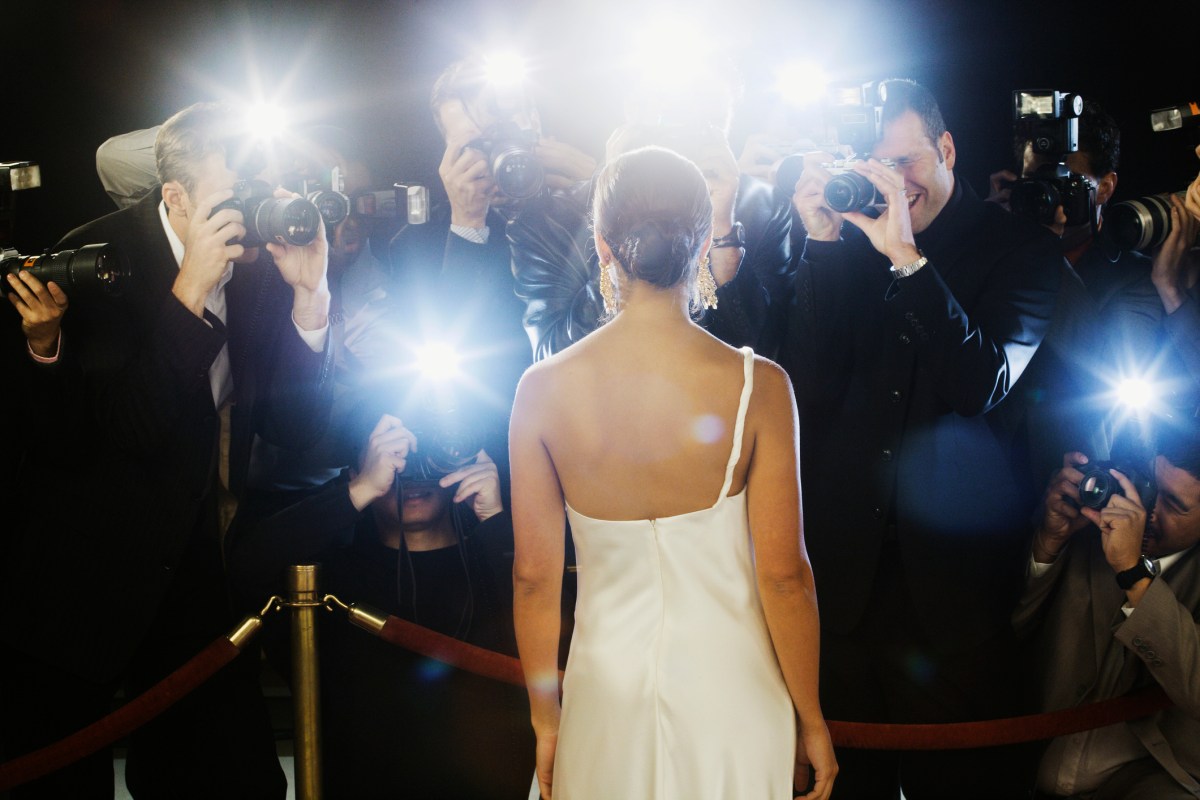
On April 22, 2026, YouTube announced an expansion of its AI Likeness Detection tool that opens enrollment to celebrities, entertainers, and the talent agencies that represent them — even those without YouTube channels. The feature, modeled on YouTube's Content ID copyright system, scans uploaded videos for AI-generated visual matches of an enrolled person's face and surfaces matches to the rights holder, who can request removal under the platform's privacy or copyright policies.
Why It Matters
For the sex tech industry, YouTube's move sets a precedent that other adult-content-adjacent platforms will face pressure to match. OnlyFans rolled out a deepfake/AI labeling policy in April; Pornhub/Aylo is already under EU DSA proceedings for failing to verify performer identity. A celebrity-only likeness detection on YouTube doesn't directly prevent NCII on adult sites, but it establishes the technical baseline regulators will point to when they ask other platforms why they can't do the same. It also raises the cost of deepfake porn production at scale: if it can't be uploaded to mainstream platforms, the distribution funnel shrinks.Major Hollywood agencies have publicly backed the rollout. CAA, UTA, WME, and Untitled Management are listed as launch partners; Variety and Hollywood Reporter coverage cites the agencies as having co-developed the tool's escalation workflows. To enroll, a celebrity (or their authorized representative) submits a government ID and a self-recorded face-biometrics video; YouTube then trains a likeness signature and continuously scans new uploads. Matches arrive as alerts; the rights holder chooses to do nothing, request removal under the privacy policy, or file a copyright takedown.
YouTube has stated parody and satire content remains permitted under platform rules, suggesting many creators will encounter friction when challenging high-profile likeness use. The feature currently scans video imagery only — audio likeness detection (a critical capability for AI-cloned voices) is coming "in future updates," the company says. Coverage from Biometric Update and TechCrunch noted that the rollout positions YouTube ahead of Meta and TikTok in offering enrolled-likeness protection at scale.
The announcement lands in the middle of the U.S. TAKE IT DOWN Act platform-compliance ramp (May 19 deadline for 48-hour takedown processes for nonconsensual intimate imagery and deepfakes), the Dutch court order against Grok, and the Baltimore xAI lawsuit. By extending likeness protection to non-creator celebrities, YouTube is positioning the tool as the platform-side answer to the deepfake crisis that Section 230 alone can't resolve.
Sources
- TechCrunch: YouTube expands its AI likeness detection technology to celebrities
- Hollywood Reporter: YouTube Opens Up AI Deepfake Detection Tool to All of Hollywood
- YouTube Blog: Expanding likeness detection to the entertainment industry
- MediaPost: YouTube Expands Likeness Detection To Celebrities, Talent Agencies
Update — 2026-04-25
Initial entry — story first created.