On August 1, 2026, the BBC reported a notable shift in male contraception: a growing number of younger men — including men in their 20s — are choosing vasectomies, even as clinicians urge caution about a decision that is difficult to reverse. Drawing on data compiled by NHS England, the report found that 26,385 vasectomies were performed at hospitals and clinics in England during 2024-25, with men aged 35-39 the single largest group at roughly 8,400 procedures, and a slight year-on-year rise among younger men — about 950 vasectomies performed on men under 30.
Why It Matters
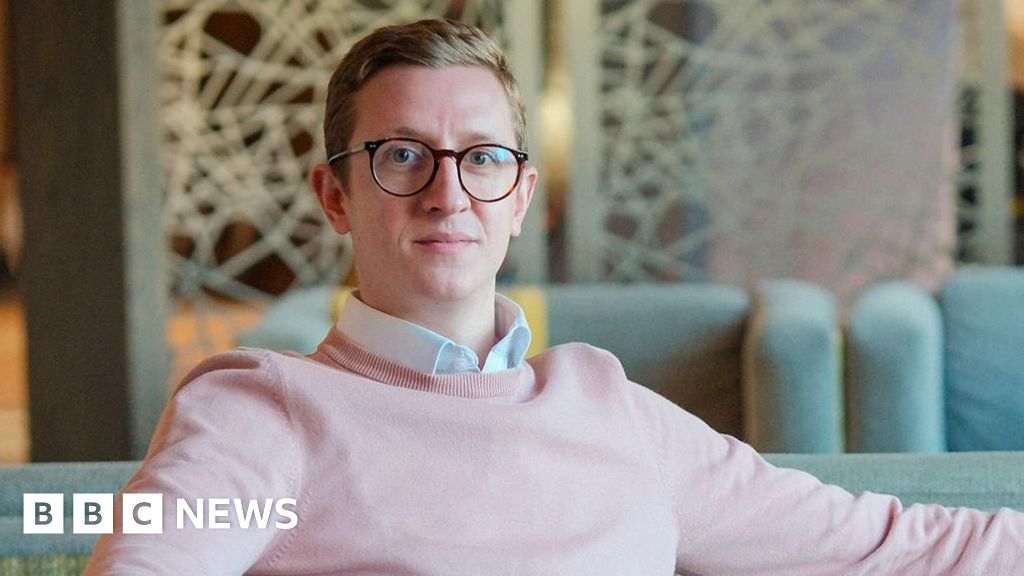
Male sexual and reproductive health is one of the fastest-commercializing corners of the industry — telehealth ED platforms, at-home sperm testing, TRT clinics, and a nascent male-contraception pipeline are all chasing the same premise: men are increasingly willing to engage with their reproductive health. A measurable uptick in younger men electing vasectomies is a demand signal for that entire thesis, and specifically for adjacent services: fertility preservation (sperm banking before the procedure), at-home sperm testing, and eventual reversal or IVF pathways. It also sharpens the contrast driving male-contraception R&D — the market is telling investors that men want durable, self-directed control over fertility, but the only widely available option is surgical and hard to undo, leaving a clear opening for reversible non-hormonal products still years from market.The piece profiled two men who opted in early. Alex West, a mortgage broker from Kent, decided in his late 20s after a difficult labour left him describing early fatherhood as "grey"; his NHS doctor urged him to wait until 30 before proceeding, and he had the procedure in May 2024. Sam Knight, originally from the US, sought a vasectomy in his 20s in New York and prepared for the standard gauntlet of gatekeeping questions — whether he was too young to be sure, whether he might change his mind, and whether he understood that reversals are expensive and not always successful. Both accounts illustrate the friction younger, often childless men still encounter when requesting the procedure.
Clinicians interviewed struck a balance between accessibility and caution. Dr. Sarah Salkeld, a former GP now medical director at MSI Reproductive Choices, called vasectomy "very safe and effective" but stressed men should "really think about" whether it is right for them, noting reversals are not routinely available on the NHS because of strict eligibility criteria. NHS Scotland guidance flags that men under 30 are more likely to regret the procedure — the clinical rationale behind the counselling-heavy intake process. The BBC noted a parallel finding that vasectomies are even safer than previously reported.
The trend arrives alongside a broader cultural and market shift in male reproductive choice. The Guardian's July 13, 2026 feature "Snip happy" profiled five men on their vasectomy decisions, and coverage this year has tied rising interest among younger and childless men to reproductive-rights anxieties, shared contraceptive responsibility, and changing attitudes toward parenthood. It also runs adjacent to the male-contraception pipeline — from reversible non-hormonal candidates in trials to renewed investment in men's sexual and reproductive health — even as a permanent, low-tech procedure remains the option men are actually acting on now.
Sources
- BBC News — Why more men in their 20s are having vasectomies
- The Guardian — Snip happy: five men on their choice to get a vasectomy
Update — 2026-08-10
{Initial entry — story first created.}