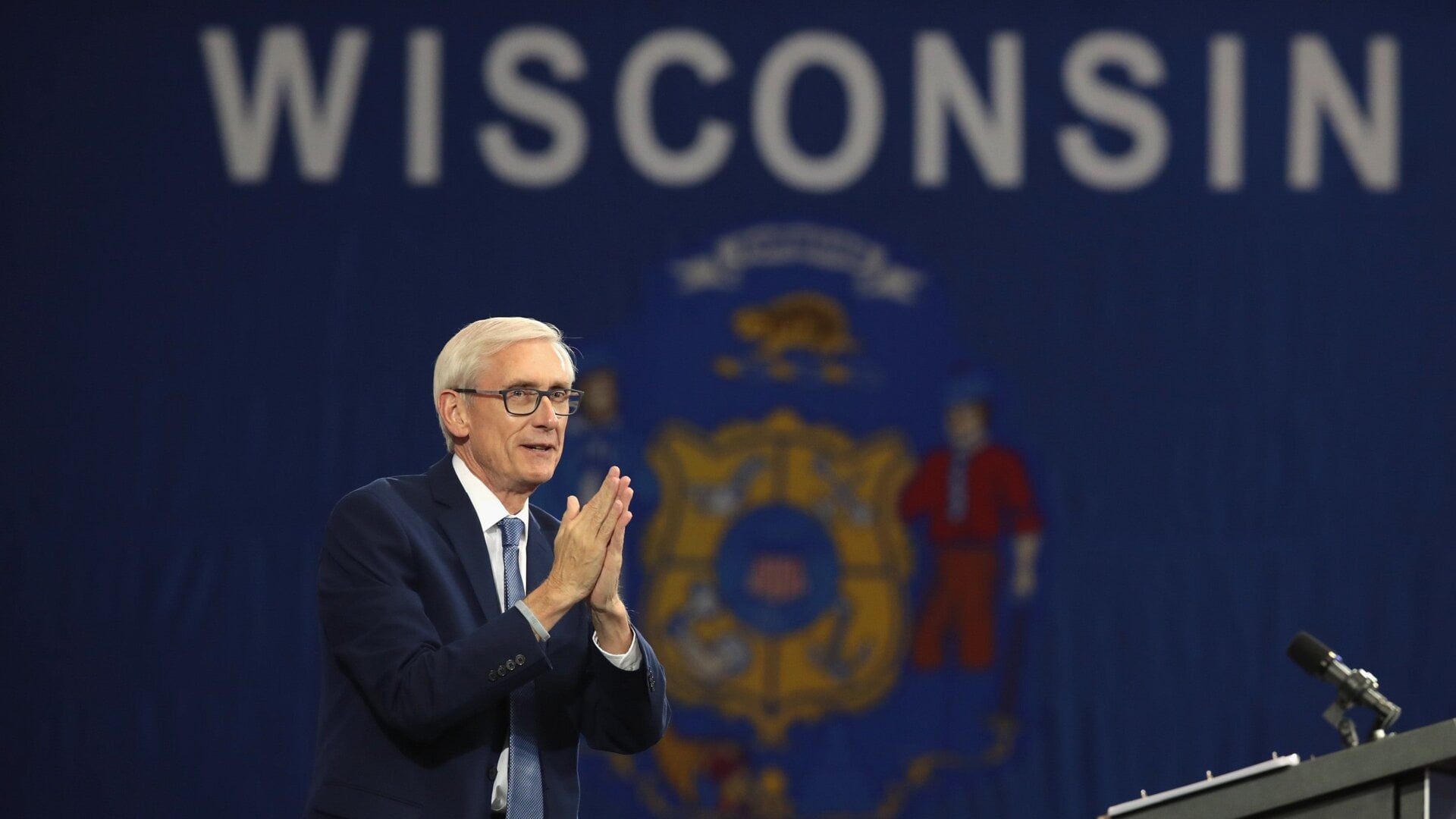
On April 3, 2026, Wisconsin Governor Tony Evers vetoed Assembly Bill 105, which would have required websites where more than one-third of content qualifies as "material harmful to minors" to implement age verification before granting user access. In his veto message, Evers cited "intrusion into the personal privacy of Wisconsin residents" as his primary objection — specifically criticizing the bill's failure to prevent platforms from sharing collected verification data with third parties including government agencies and data brokers. "I am vetoing this bill in its entirety," Evers wrote, warning that biometric scans and government ID submissions required under the bill create substantial identity theft and blackmail risks for users.
Why It Matters
The Wisconsin veto is notable less for its immediate industry impact (Wisconsin is not an exceptionally large market) and more for the argument Evers made: that device-based age verification is a privacy-preserving alternative to data-collection-heavy ID submission models. If this framing gains traction in other state legislatures and courtrooms, it could redirect the age verification debate toward a technical architecture that is more palatable to both civil liberties advocates and platform operators — a potential path out of the current legal standoff that has blocked enforcement in several states.The bill had passed the Wisconsin Legislature with substantial bipartisan support: it cleared the Assembly with three-quarters support, including 18 Democratic votes, and passed the Senate by voice vote. The verification methods the bill contemplated included government ID uploads, biometric facial scans, and credit card submissions. Evers countered that device-based age verification — where verification occurs on the user's own hardware without submitting documentary data to third-party platforms — represents a more privacy-protective approach that achieves the same child protection goal without creating a centralized database of who is accessing adult content.
The veto drew swift condemnation from family-focused advocacy groups. American Family Association Action called on "parents and lawmakers to rise up" against the decision. But civil liberties organizations and adult content industry groups, including those aligned with Free Speech Coalition, praised Evers for protecting both privacy rights and legitimate adult speech. Gizmodo's coverage framed the outcome as Wisconsin "remaining a gooning sanctuary state" — a nod to the politically charged nature of the debate — while 404 Media offered more substantive analysis of how Evers' privacy-first framing distinguishes his approach from most state-level age verification bills enacted since 2021.
Wisconsin joins a small but notable group of states where age verification legislation has failed or been vetoed, including recent court injunctions in Texas and ongoing litigation in multiple other states. The national patchwork of age verification laws — at least 19 states with enacted statutes of varying scope, many under legal challenge — continues to create compliance uncertainty for platforms and adult content companies.
Sources
- Wisconsin's Governor Just Killed an Age Verification Bill — WebProNews
- Wisconsinites Can Keep Watching Porn After Governor Vetoes Age Verification Bill — 404 Media
- Wisconsin Governor Vetoes Age Verification Bill, Citing Privacy Risks — ID Tech Wire
- Wisconsin's Governor Rejects Age Verification for Pornography — Business Story
Update — 2026-04-12
Initial entry — story first created.