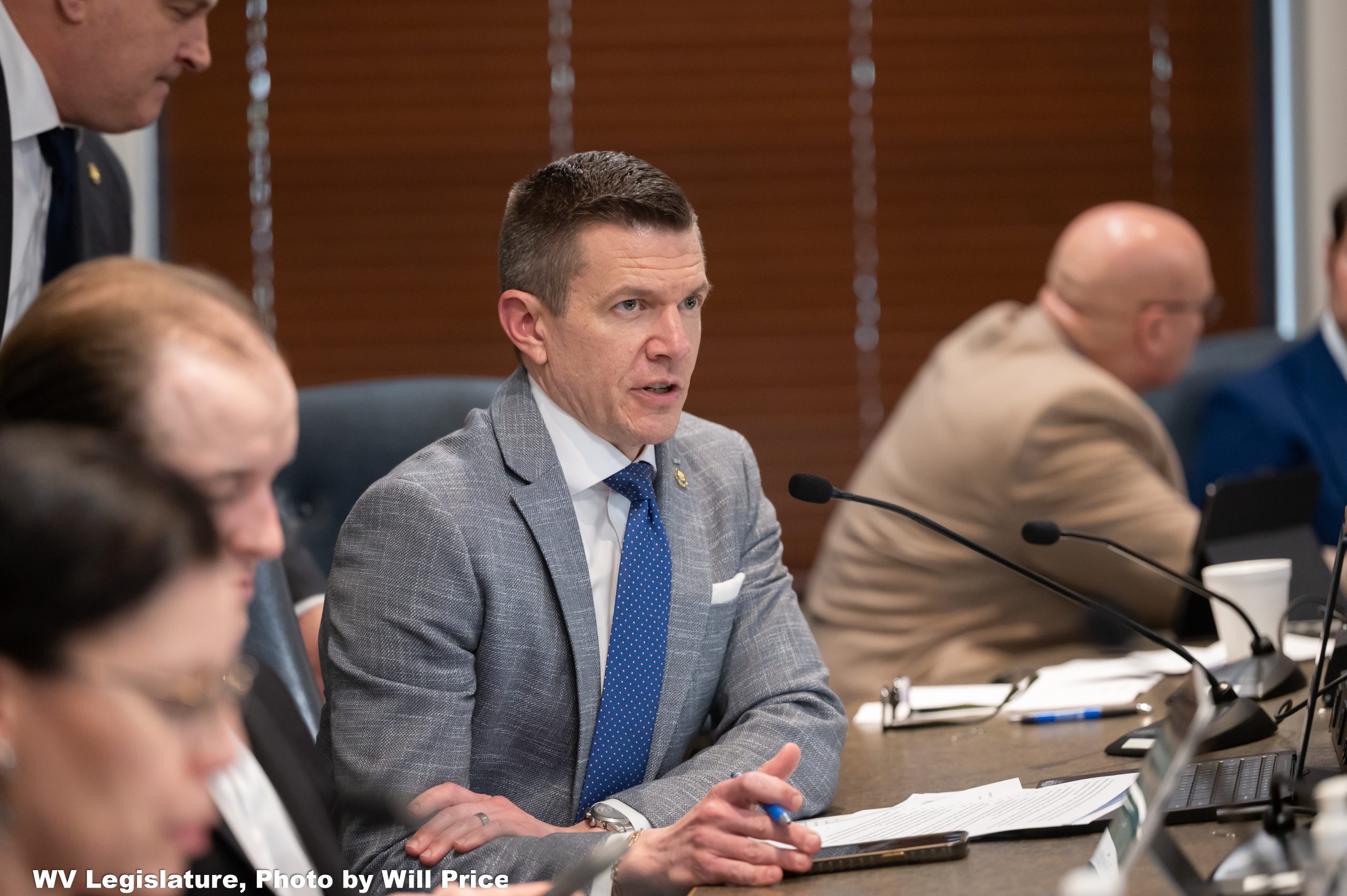
In mid-April 2026, West Virginia joined the growing majority of U.S. states mandating age verification for online commercial adult content, becoming the 26th state to enact such legislation. The law — advanced through the state legislature earlier in the spring session — requires commercial websites where "material harmful to minors" comprises a threshold share of content to verify user ages using government-issued ID, biometric methods, credit card checks, or approved third-party services.
Why It Matters
The 26-state threshold matters because it crosses the majority mark. More than half of U.S. states now mandate age verification for adult content, which changes the compliance calculus for every major platform: geo-blocking individual states is cheaper than building verification, but geo-blocking more than half the country forces the question of whether to serve the U.S. market at all. Adult merchants are already seeing the operational consequences — elevated chargebacks from VPN-routed traffic, higher customer-service load, and compounding pressure on MCC 5967 risk classification. The stage is set for a federal preemption debate in 2026-27, and West Virginia's vote adds weight to the argument that a patchwork is unsustainable.The West Virginia statute follows the template established by Louisiana in 2023 and upheld by the Supreme Court in the June 2025 FSC v. Paxton decision, which cleared the constitutional path for Texas-style age-verification mandates. Enforcement hooks include civil penalties for non-compliant platforms and, in several of the 26 states, private rights of action for parents whose minor children access adult content on sites that fail to implement verification. The practical effect across the post-Paxton wave has been predictable: Pornhub parent Aylo has geo-blocked every state that enacts such a law rather than stand up verification infrastructure on a state-by-state basis, a pattern that continued with Texas, Montana, Arkansas, Mississippi, and most recently Missouri.
West Virginia arrives at 26 states even as the federal picture grows more complicated. Wisconsin Governor Tony Evers vetoed Assembly Bill 105 on April 3, 2026, citing privacy and biometric-ID risks. H.R. 8250, the federal Gottheimer-Stefanik bill introduced April 13, would shift age verification to the operating-system layer, preempting some state-by-state enforcement. The EU launched its zero-knowledge-proof age verification mini-wallet app on April 15, pilot-testing a privacy-preserving approach the state laws have not yet mirrored. West Virginia did not adopt a ZKP framework.
Sources
- WV Legislature blog — Age verification for online material advances Senate Judiciary
- WV Public Broadcasting — House approves online age verification bill
Update — 2026-04-20
Initial entry — story first created.