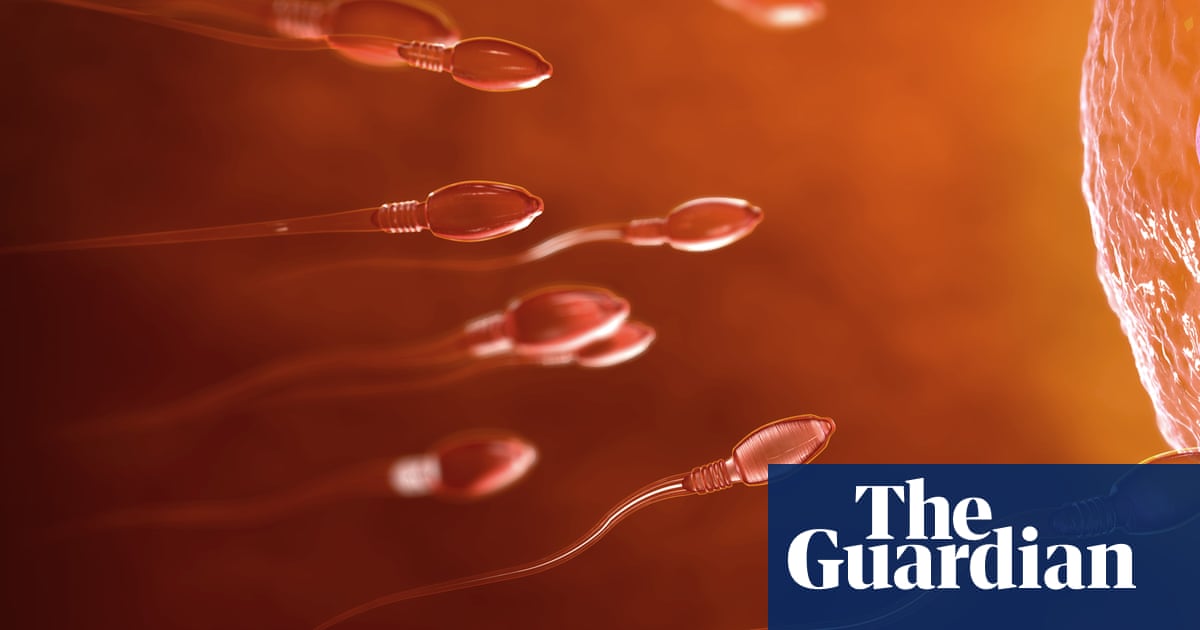
On October 7–8, 2026, NHS Lothian and the University of Edinburgh announced that surgeons in Edinburgh had carried out the UK's first testicular tissue transplant. They describe it as only the second such procedure reported worldwide. The patient is an anonymous 19-year-old student. His testicular tissue was removed and frozen in 2023, before a bone-marrow transplant for a serious blood disorder. Three years after the chemotherapy, tests found no sperm in his semen. In August 2026 the Edinburgh team transplanted the frozen tissue back into his body, hoping it will start producing sperm. The Guardian reports that doctors should know within months whether it has.
Why It Matters
Male fertility preservation has been the neglected part of oncofertility. Egg and embryo freezing grew into a commercial industry, while boys who had cancer before puberty had nothing to bank. With more than 3,100 tissue samples stored worldwide, a working transplant protocol would make a research archive into a clinical service. That would open demand for cryostorage, surgical capacity and long-term follow-up, much as egg freezing did for the women's fertility market. The result is still unknown. The procedure was in August and sperm production hasn't yet been shown, so this is a first-in-UK procedure, not yet a proven treatment. If it works, expect pressure on health systems to fund tissue harvesting routinely before sterilising treatment in childhood, and interest from fertility-preservation companies that have so far focused almost entirely on adults.The method depends on spermatogonial stem cells, which produce sperm from puberty onwards. Semen freezing is routine for older teenagers and adult men. Pre-pubescent boys can't bank sperm, so preserving tissue is their only fertility option before treatments that can sterilise them. The University of Edinburgh says the transplant follows non-human primate research. In that work, tissue frozen before sterilising chemotherapy was transplanted back successfully, and sperm from the graft produced a live birth through assisted reproduction.
The program has been running for a decade. Children with Cancer UK funded the Edinburgh testicular project in 2015 and funded the transplantation study in 2024. More than 1,200 patients in the UK and 3,100 worldwide now have testicular tissue in storage, the university says. "We are beginning to see some of these young men return to explore their fertility options," said study lead Professor Rod Mitchell, a consultant paediatric endocrinologist at NHS Lothian. "This study offers real hope for future fertility in boys facing cancer treatment." The patient said: "We don't know yet whether it will work, but knowing that there is now even a possibility means more to me than I can really put into words." The Guardian notes it reported in May on a man who produced sperm after tissue frozen in childhood was transplanted back 16 years later.
Sources
- Teenager becomes first person to have testicular tissue transplant in UK — The Guardian (Oct 8, 2026)
- UK doctors transplant frozen testicular tissue to restore fertility — News-Medical, source: University of Edinburgh (Oct 8, 2026)
Update — 2026-10-08
Initial entry — story first created.