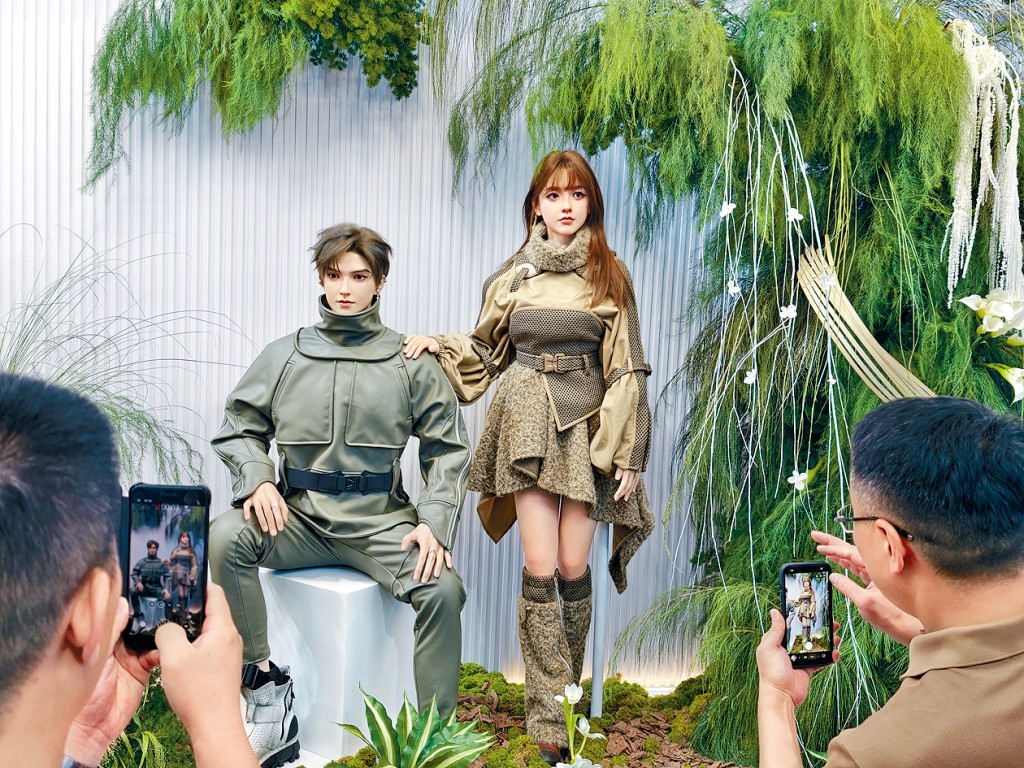
On November 8, 2026, Hong Kong's The Standard reported a buyer backlash against lifelike humanoid companion robots in mainland China. Its main example is UBTech Robotics' U1 series, which launched on June 30, 2026 at prices from 119,800 to 990,000 yuan. UBTech, often called China's first listed humanoid-robot company, sells the U1 in male and female versions with silicone skin designed to show pores and blood vessels, plus a proprietary "emotional AI" model. Unlike service robots, it is pitched primarily for emotional companionship, not housework. TechJuice lists three tiers: U1 Lite (119,800 yuan), U1 Pro (169,800 yuan) and U1 Ultra (990,000 yuan male / 880,000 yuan female). It reports UBTech's claim that the emotional model runs locally on the device (a Rockchip RK3588), so conversations stay on the robot rather than going to the cloud.
Why It Matters
This is the same market-reality check the Western companion-robot sector faces. RealDoll's $22K next-gen robots and Realbotix's $11,950 Echo line have also sold the idea of an AI partner with a body ahead of what the hardware can do. UBTech is a large, well-funded company with real manufacturing scale, and its order book still didn't turn into home deliveries. That suggests the bottleneck is **product-market fit, not supply**. For investors, it argues for discounting companion-humanoid pre-order counts heavily until deliveries are reported. It also suggests the near-term revenue is in **B2B display and hospitality** uses, not bedrooms. For the sextech-adjacent doll and robot makers, the U1's on-device AI pitch is worth noticing: as AI-companion data leaks keep surfacing, keeping intimate conversations off the cloud may become a selling point.The gap between orders and deliveries is the story. UBTech reported more than 13,361 orders in pre-sale, and The Standard says management had pledged at least 10,000 deliveries this year. UBTech founder Zhou Jian acknowledged in September that 2026 deliveries might reach only 1,500 to 2,000 units, a target TechJuice also reports. Reviewers and buyers have complained about stiff expressions, slow reactions and short battery life. The Standard reports that most versions can't walk on their own or do household tasks, and that even the top model runs only two to four hours per charge. The first named customers are businesses, not homes: Chinese car-dealership groups Shanghai Yongda and Beijing Boshi, and South Korea's Galaxy Robot Park, which opened a U1 showroom in Seoul. Mainland economist Pan Helin told Sing Tao Daily the shortfall reflects weak consumer demand and low-quality pre-orders, not production limits. He said current companion robots mostly put large language models inside lifelike shells, and that their emotional interaction is still at an early stage.
Sources
- Humanoid AI companions disappoint buyers with limited capabilities — The Standard (HK) (Nov 8, 2026)
- Meet the Robot Boyfriend and Girlfriend You Can Actually Buy — TechJuice (Oct 2026)
Update — 2026-11-09
Initial entry — story first created.