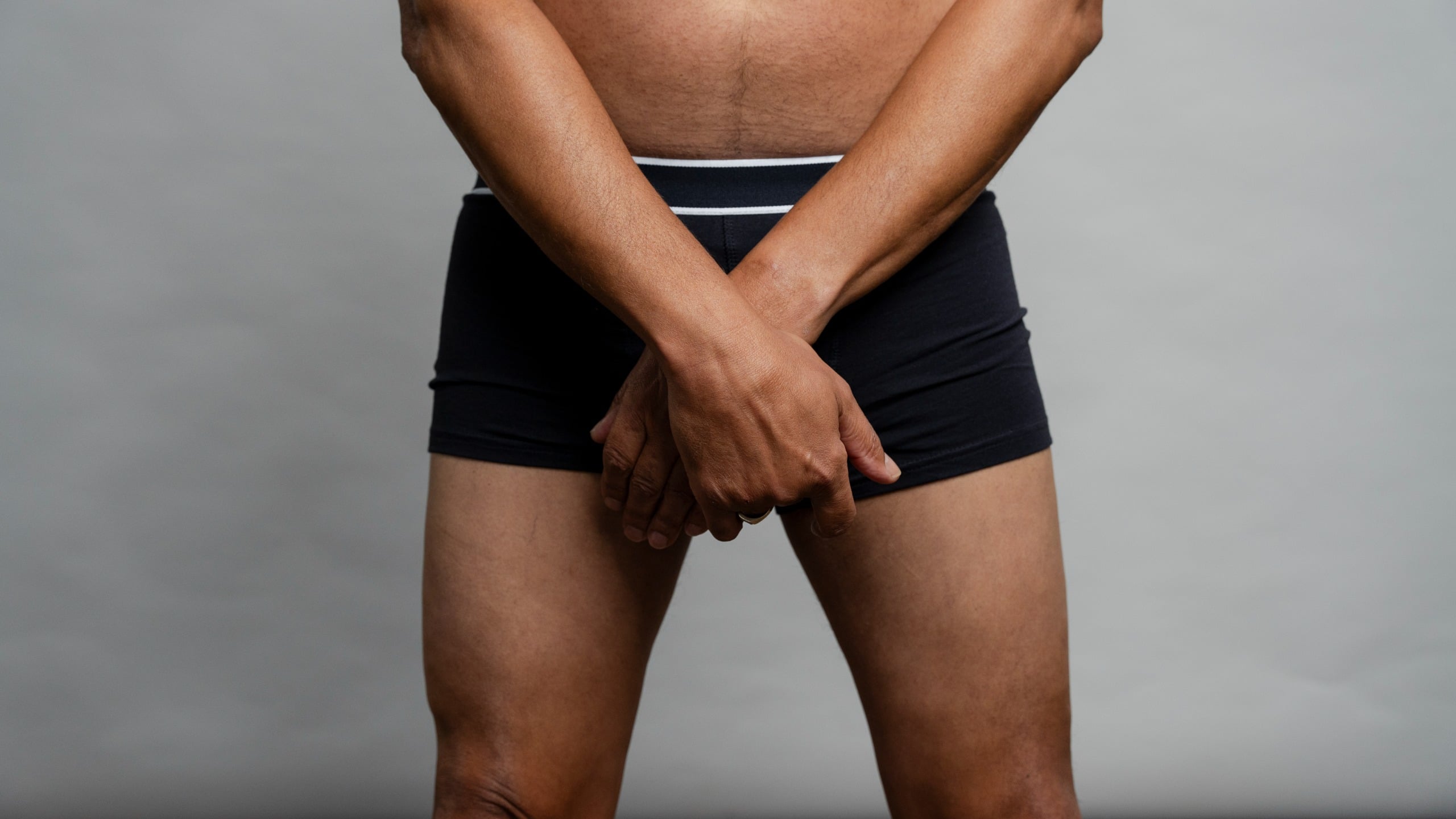
On November 5, 2026, ScienceAlert reported a new study in the Asian Journal of Andrology. Led by urologist Xue-Chun Hu of the University of Science and Technology of China (USTC), it is described as the largest study so far of underwear and male reproductive health. Researchers compared 21,221 men who said they mostly wore loose underwear (boxers) with 5,615 men who wore tight styles (Y-fronts, thongs or boxer briefs). All the men were attending fertility assessments at USTC's First Affiliated Hospital, and their median age was 30. Participants reported the underwear they had worn most often over the previous three months.
Why It Matters
**Male-fertility marketing just got a new citation.** At-home sperm testing, male fertility supplements, cooling underwear and "fertility-friendly" boxers are a growing category, and a 27,000-man dataset in a peer-reviewed andrology journal is the kind of number brands will put on packaging. Telehealth platforms such as Hims, Ro and the newer male-fertility services we've covered (for example, [Path Fertility's NIH-backed test](/stories/path-fertility-nih-male-infertility-test)) have tended to sell lifestyle advice alongside diagnostics. This study gives them one cheap, evidence-backed recommendation to add. **But the conception data hasn't changed.** The study measures semen parameters, not pregnancies, and the larger couples study found no effect on conception. The broader context is in the Guardian's November 1 piece on "spermageddon" fears, which points out that sperm-count trends vary by population. A Danish recruit study found no decline between 1996 and 2022, and an Irish fertility-clinic study found a 23% rise in concentration from 2008 to 2023. Infertility is roughly a third female factor, a third male and a third unexplained. Brands that cite the underwear study as a fertility fix rather than a modest change to semen quality risk drawing claims scrutiny.The findings. After adjusting for other health factors, tight underwear was associated with: - 18% higher odds of low semen volume - 12% higher odds of fewer motile sperm - 48% higher odds of a smaller share of normally shaped sperm - 108% higher odds (roughly double) of high sperm DNA fragmentation
High DNA fragmentation was found in 10.7% of tight-underwear wearers and 5.8% of loose-underwear wearers. A secondary analysis found that erectile dysfunction and premature ejaculation were more common in the tight-underwear group. "Choosing loose underwear may represent a simple, modifiable approach to help protect semen quality and sexual function," the authors write. They suggest scrotal heat stress as the likely mechanism: sperm develop best at about 2–3°C below core body temperature, and tight briefs can raise scrotal temperature by up to 1°C (ScienceAlert; UA.NEWS).
Limitations. The study is observational, so it shows association, not causation. It also does not show that switching underwear improves the chance of conception. All participants were men already seeking fertility evaluation, which limits how far the results apply to the general population. Even in the tight-underwear group, about 89% of men did not have abnormal DNA fragmentation. As both write-ups note, a 2022 study of 3,041 couples in the US and Canada found little link between conception rates and sources of scrotal heat, including tight underwear, saunas and laptops on the lap. The study is about 40 times larger than the 2018 Harvard study of 656 men that showed boxer-wearers had higher sperm concentrations.
Sources
- Study of Nearly 27,000 Men Is The Largest Yet on Tight Underwear And Sperm Quality — ScienceAlert (Carly Cassella, Nov 5, 2026)
- China study links tight underwear to poorer sperm parameters — UA.NEWS (Nov 4, 2026)
- The truth about testicles: are we facing spermageddon? — The Guardian (Nov 1, 2026)
Update — 2026-11-05
Initial entry — story first created.