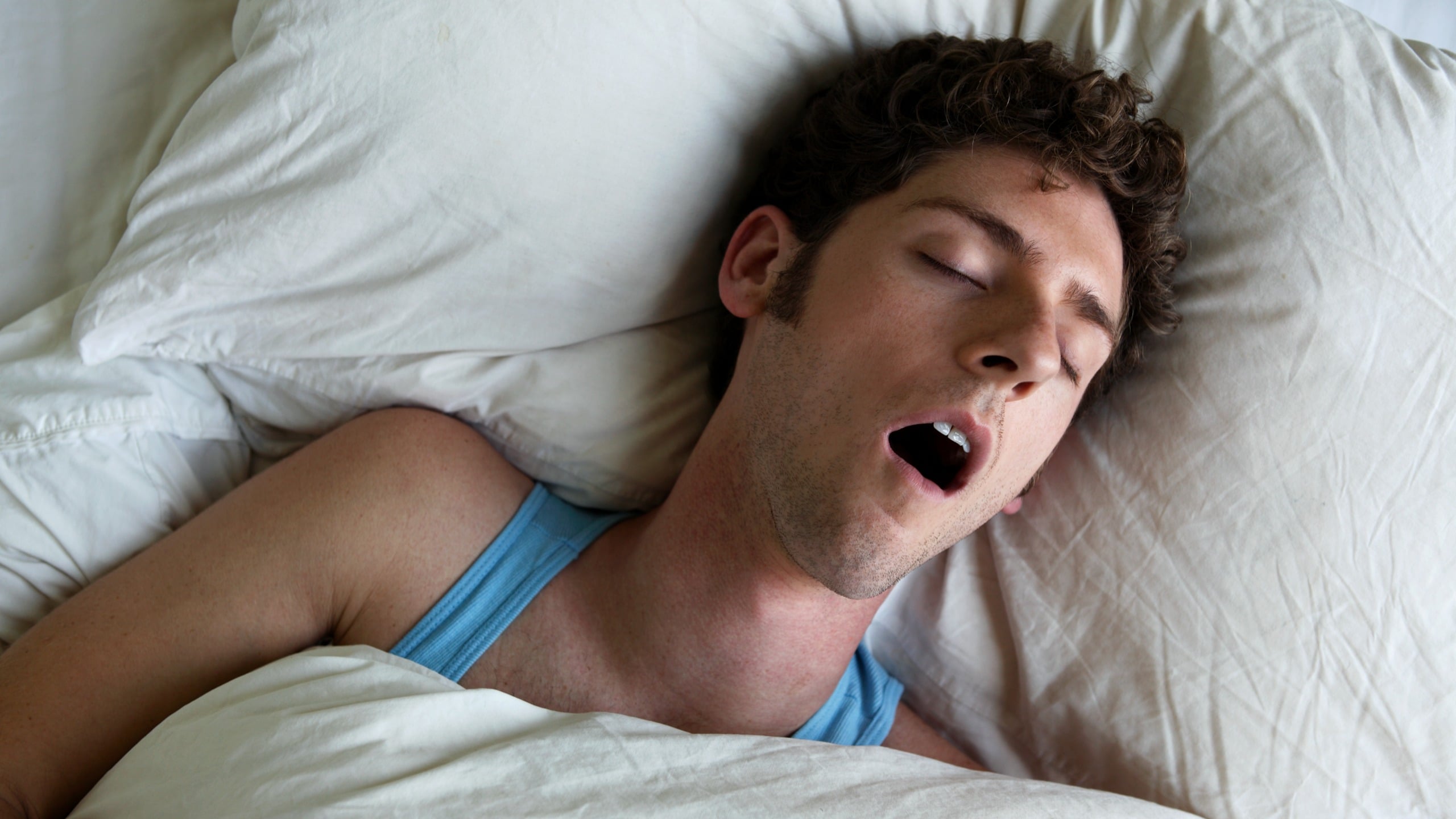
On November 7, 2026, ScienceAlert reported a small prospective study in the journal Sleep Medicine, led by researchers at the University of Hong Kong–Shenzhen Hospital. It links untreated obstructive sleep apnea (OSA) to poorer semen quality. The team compared 72 men aged 18–50 with untreated, sleep-lab-diagnosed OSA against 22 healthy controls. The OSA group had significantly lower semen volume, about 10% fewer progressively motile sperm (sperm that swim forward) and about 10% fewer motile sperm overall. They also had higher levels of several inflammatory markers in their semen.
Why It Matters
OSA affects roughly **a quarter of men over 30**, according to the coverage, which would make it one of the most common and least discussed modifiable factors in male fertility. This week also brought the 27,000-man tight-underwear study. Male reproductive health is increasingly being reframed as a **lifestyle-and-systemic-health** issue, which is the pitch behind at-home sperm-testing and male-fertility companies such as Legacy and the men's-health telehealth platforms that bundle fertility with testosterone and ED care. It also opens a commercial crossover: sleep-tech and CPAP providers, home sleep-test companies and fertility clinics now have a (small, preliminary) shared patient. The responsible marketing line is "**screen for sleep apnea if semen results are unexplained**," not "CPAP boosts fertility." The study doesn't support the second claim.One counter-intuitive result: in this cohort, OSA was not associated with erectile dysfunction, even though earlier observational studies have linked the two. The semen differences appeared independently of erectile function. That matters because men with snoring partners and normal erections are unlikely to suspect any reproductive effect.
The treatment arm showed a small improvement, with caveats. 25 participants who used a CPAP machine regularly (at least four hours a night, five or more nights a week) saw progressive motility rise from nearly 40% to 45% after one month. The four elevated inflammatory markers did not drop significantly. Many participants stopped: 15 men were still using CPAP and attending follow-up at three months, and only 8 at six months. Among those who stayed on treatment, motility remained above baseline. The authors are careful: the treatment wasn't randomised, conception wasn't measured, and they suggest only that checking for sleep-disordered breathing "may be considered an exploratory assessment" in men with unexplained semen abnormalities. That echoes a 2025 Nature Reviews Urology correspondence from Brazilian urologists arguing that sleep medicine belongs in routine male-infertility workups.
Sources
- Treating Sleep Apnea Could Improve Sperm Quality, Study Finds — ScienceAlert (Carly Cassella, Nov 7, 2026)
- Sleep Apnea Linked to Weaker Sperm Movement, and CPAP Use Brought Gains — Around Prague (Nov 7, 2026)
Update — 2026-11-09
Initial entry — story first created.