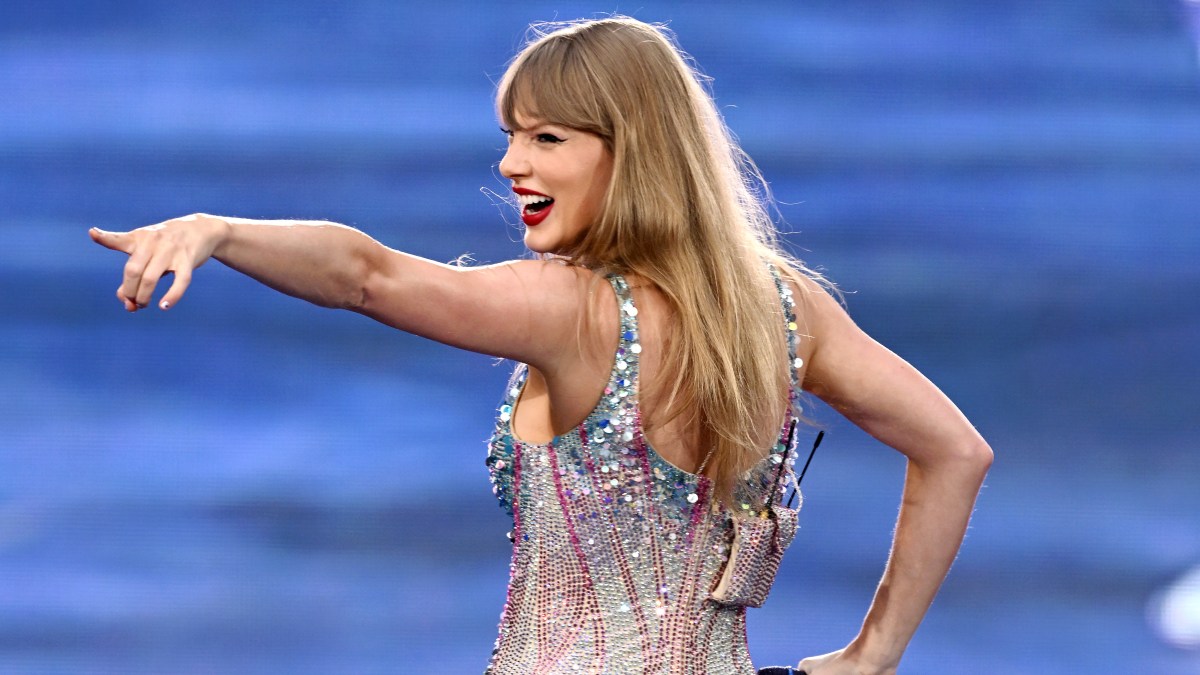
On April 28, 2026, Taylor Swift filed three trademark applications with the U.S. Patent and Trademark Office covering two audio clips of her voice and one image of her on stage with a guitar — a legal maneuver trademark attorneys called the most aggressive celebrity-driven test of using federal trademark law to combat AI-generated sexual deepfakes. The applications, filed under TAS Rights Management, cover Swift speaking the phrases "Hey, it's Taylor Swift" and "Hey, it's Taylor," plus the stage-performance image. Trademark registration of a spoken voice has not been previously tested in U.S. courts.
Why It Matters
The Swift filings are the highest-profile test yet of whether federal trademark law can be retrofitted to handle AI deepfake harms — and the outcome will shape the playbook for the entire celebrity-likeness defense industry, including OnlyFans creators, cam performers, and adult-industry talent who face the same deepfake risk without Swift-level legal infrastructure. The "Taylor Swift Act" branding has already been adopted by Missouri's deepfake civil-remedies legislation and similar bills in seven other states. If Swift's voice trademark issues, expect a new wave of filings from celebrities, public figures, and high-value creators looking for any enforcement vector that bypasses the slow patchwork of state right-of-publicity laws.The filings come after years of Swift being one of the most-targeted subjects of nonconsensual sexual deepfake imagery — including the X-distributed deepfakes in January 2024 that prompted the federal TAKE IT DOWN Act (whose criminal provisions secured their first conviction April 8, 2026, against Ohio's James Strahler II). The AI-generated CSAM and NCII crisis has only intensified since: an NBC News review this month found dozens of new sexualized AI images of real women on X, including Grok-generated outputs, despite xAI's January pledge to halt sexual deepfake generation. Eight separate law enforcement and regulatory agencies — California AG, Australia's eSafety, Privacy Commissioner of Canada, European Commission, Ireland DPC, Paris prosecutors, Ofcom, and the ICO — are actively investigating Grok's sexualization capabilities.
Swift's trademark gambit pursues a strategy attempted earlier by Matthew McConaughey's legal team: layering federal trademark protection on top of state-by-state right-of-publicity laws to give celebrities a unified, high-leverage takedown tool against AI-generated likeness misuse. Trademark filings produce additional remedies the criminal TAKE IT DOWN Act and civil DEFIANCE Act do not — specifically, immediate platform takedown obligations under the DMCA-adjacent USPTO process and the ability to enforce against infringing AI training data. Several legal experts said the filings will succeed at the USPTO for the audio clips and may face higher scrutiny on the image, given trademark's traditional commerce-identification standard.
Sources
- CBS News — Taylor Swift files to trademark her voice and image amid rise in AI deepfakes
- NBC News — Taylor Swift files to trademark her voice and likeness
- Variety — Taylor Swift Files to Trademark Her Voice and Likeness
- PetaPixel — Taylor Swift Files Trademarks to Protect Image From AI Deepfakes
Update — 2026-04-29
Initial entry — story first created.